


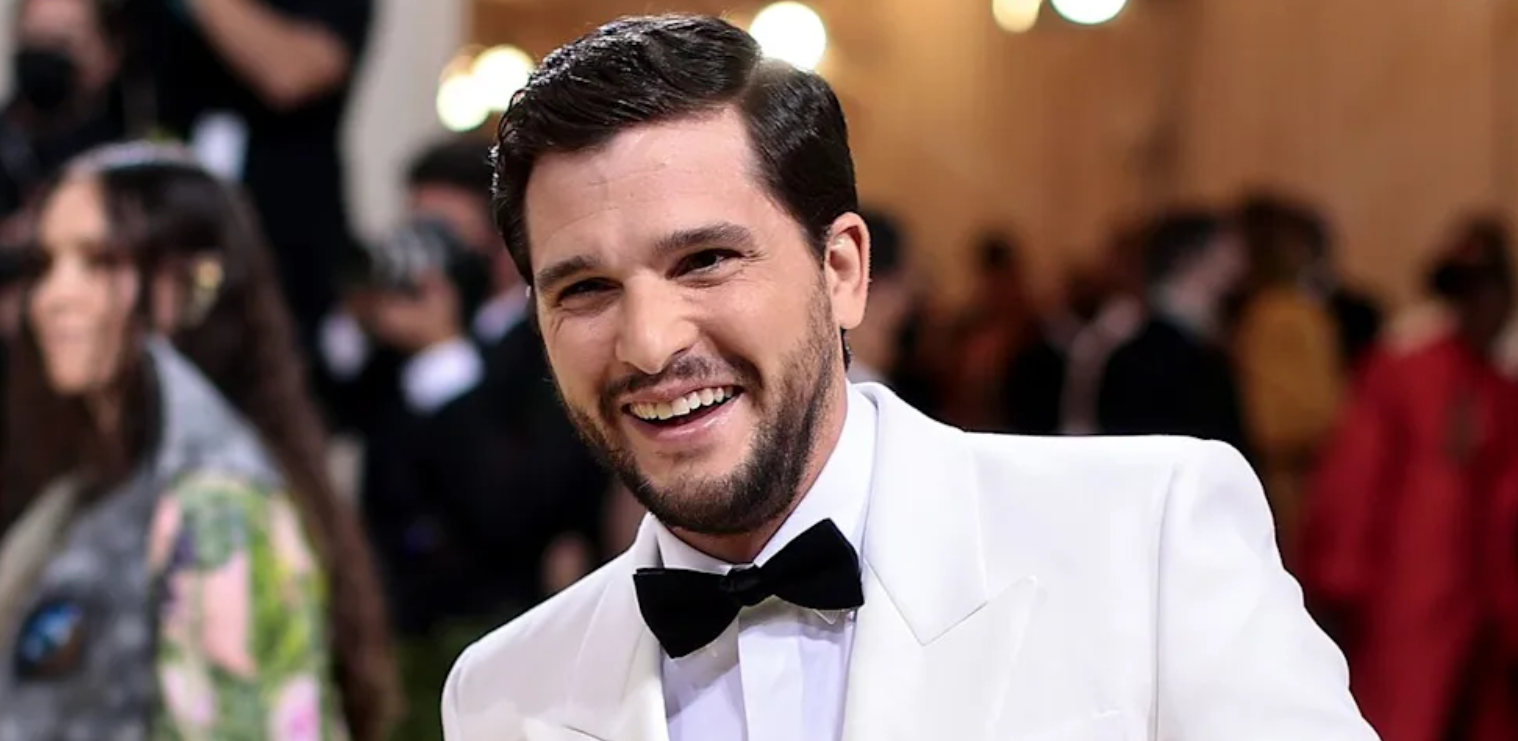

Some actors become famous for a while, and some end up tied to a role people talk about for years. Kit Harington falls into the second group. For a lot of viewers, he will always be linked with Jon Snow, the brooding, central figure he played across all eight seasons of Game of Thrones. But that is only part of the story. The reason people keep searching Kit Harington net worth is not just because of one hit show. It is because that show turned him into a global star, and fans still want to know how that success translated into real money, career stability, and long-term influence in the entertainment industry.
There is also something interesting about Harington’s career arc. He did not arrive as a flashy celebrity personality. He came in as a trained actor with a stage background, then found himself at the center of one of the biggest TV phenomena of the last decade. Since then, he has moved through film, theatre, voice work, limited series, and newer television projects, which makes the story behind Kit Harington career and Kit Harington earnings much more layered than a simple “TV star gets rich” headline.
Who Is Kit Harington?
Kit Harington, whose full name is Christopher Catesby Harington, is an English actor born on December 26, 1986, in London. He trained at the Royal Central School of Speech and Drama, which gave him the kind of formal foundation many screen actors do not always have. Before television made him internationally famous, he had already started building his craft on stage, which says a lot about the kind of career he was aiming for in the beginning.
His professional breakthrough actually began in theatre. He made his West End debut in War Horse, where he played Albert Narracott, and that early stage work helped establish him as a serious young actor before Game of Thrones changed his life. Theatre sources still point back to War Horse as the debut that launched his public acting career.
That early background matters because it changes the way you look at Kit Harington acting career. He was not simply cast into a fantasy blockbuster out of nowhere. He had training, stage discipline, and an actor’s foundation already in place. That helped him handle the kind of pressure that comes with a massive series. It also helps explain why, even after becoming hugely associated with Jon Snow, he kept returning to theatre and taking on projects that looked more like long-term career moves than random fame-driven choices.
Kit Harington Net Worth
When people ask how much is Kit Harington worth, the most commonly cited estimate is around $14 million. That figure appears in Celebrity Net Worth and has been repeated by other entertainment outlets discussing his finances in 2026. It is best treated as an estimate, not a confirmed number from Harington himself, but it is the figure most frequently attached to his name in celebrity finance coverage.
The reason Kit Harington net worth gets so much attention is fairly obvious. Game of Thrones was not just a successful TV show. It was a global cultural event. Whenever an actor becomes one of the faces of a series that large, people naturally assume the paychecks must have been huge. In Harington’s case, there is good reason for that assumption. Variety reported in 2017 that Harington was earning $500,000 per episode for Game of Thrones, placing him among television’s top-paid drama stars at the time.
Still, the more interesting part of the story is that his fortune does not seem to come from one single pay cycle alone. His wealth reflects years of television work, film roles, stage projects, voice acting, and the kind of reputation that keeps an actor employable long after the defining role arrives. That is why Kit Harington wealth is better understood as the result of a career built over time, not just one famous contract.
How the Game of Thrones Star Built His Fortune
If you want the clearest answer to how the Game of Thrones star built his fortune, it starts with one life-changing role. Harington was cast as Jon Snow in HBO’s Game of Thrones, and that character became one of the most recognizable in modern television. HBO’s own cast pages still place him front and center as Jon Snow, which says a lot about how strongly he remains connected to the series.
Being part of a major ensemble is one thing. Becoming one of the emotional anchors of the show is another. Jon Snow was not a side role people forgot after one season. He was there from the beginning to the end, and that kind of sustained importance matters financially. Long-running hit shows often create the best earning environment in television because salaries can rise dramatically as the series grows. In Harington’s case, Variety’s reported $500,000-per-episode figure shows just how financially significant the later Game of Thrones years were for him.
That level of TV success also does something beyond paying well. It increases negotiating power. Once an actor becomes the face of a globally known franchise, every future project carries more weight. Casting directors, streamers, studios, and theatre producers all know the name means something to audiences. So while Kit Harington Game of Thrones salary is a major part of the net worth story, the wider value lies in what the show unlocked afterward: higher visibility, better offers, stronger brand recognition, and more freedom to choose projects.
It is also worth remembering how long the show ran. Game of Thrones aired from 2011 to 2019, which means Harington had years of visibility at the highest level of TV fame. That is very different from a short breakout. A long run gives an actor time to build savings, industry leverage, and public loyalty all at once. In other words, his fortune was not built in one moment. It was built season by season.
Kit Harington’s Career Before and After
Game of Thrones
Before the HBO years fully took over his public identity, Harington’s résumé already showed range. The stage came first, particularly War Horse, and that helped establish him as more than just a good-looking newcomer. He had serious dramatic grounding. That early work matters because it gave him something to lean on once global fame arrived.
After Game of Thrones, the real challenge was obvious. How do you move forward when millions of people instantly see you as Jon Snow? That kind of role is a gift, but it can also trap an actor if every future choice feels like an attempt to escape the character. Harington’s post-Thrones path suggests he tried to avoid that trap by mixing things up. He took on stage projects such as True West and Doctor Faustus, which kept him connected to more actorly, less franchise-driven work.
On screen, he also moved into different types of projects. He appeared in Marvel’s Eternals as Dane Whitman, entered newer prestige-TV territory through HBO’s Industry, and took on smaller-screen and limited-series work like Criminal: UK, Extrapolations, and Gunpowder. That spread matters when discussing Kit Harington income because it shows that his earnings after Game of Thrones were not limited to cashing in on old fame. He kept working across different formats.
The Career Journey Behind Kit Harington’s Wealth
The simplest version of the story is that Harington went from promising stage actor to international star. The fuller version is more interesting. He built a traditional acting base first, then landed a part that transformed his career, then spent the years after that trying to show he could be more than one iconic character. That is not always easy, especially when the role is as culturally sticky as Jon Snow.
That kind of career path can actually help long-term wealth if it is handled well. The early years build craft. The breakout role builds visibility. The years after that decide whether the fame turns into a sustainable career or fades into nostalgia. Harington’s choices suggest he aimed for sustainability. Theatre kept him artistically credible. Film and voice work broadened his range. Television kept him visible. Together, those choices helped protect the value of the name “Kit Harington” beyond one franchise era.
He also benefited from timing. Game of Thrones arrived during the era when prestige television became every bit as globally powerful as major studio film. That meant a TV actor could suddenly become an international star in a way that used to be reserved mostly for movie leads. Harington landed in exactly that shift, and it changed the scale of his career.
Kit Harington Earnings and Income Sources
When looking at Kit Harington earnings, it helps to think in terms of several income streams rather than one giant pile of money from HBO alone.
His likely major sources of income include:
- television salary, especially from Game of Thrones
- film roles
- theatre work
- voice acting
- production or creator credits on select projects
- public profile value that can support premium casting and appearances
These sources line up with the projects publicly attached to his name. HBO and Variety support the TV-salary side. Marvel supports the film-franchise side. Theatre coverage supports the stage side. His credits list also shows voice work, including the How to Train Your Dragon films.
Voice work is an easy thing to overlook, but it can be part of a strong actor income mix. Harington voiced Eret in How to Train Your Dragon 2 and returned for How to Train Your Dragon: The Hidden World, which added a successful animated franchise to his body of work. Those projects may not define his image the way Jon Snow does, but they contribute to the wider picture of Kit Harington salary and long-term professional value.
He also had a creator and executive producer role on the BBC/HBO-linked historical drama Gunpowder, which shows another way actors can widen their financial footprint. Once a performer becomes established enough, income is not always limited to appearing on screen. Creative or production involvement can add another layer.
Game of Thrones
and Its Impact on His Net Worth
There is no point pretending Game of Thrones is just one line on Harington’s résumé. It is the centerpiece. The series made him globally recognizable, gave him an iconic character, and likely delivered the biggest single earnings boost of his career. When people search Jon Snow actor net worth, they are really asking how much of Harington’s wealth came from that role. The answer is: a great deal, directly and indirectly.
Directly, the salary reports tell the story. Variety’s $500,000-per-episode figure is substantial on its own. Indirectly, the role turned him into a bankable actor with worldwide name recognition. That second part may matter just as much over time. Once audiences know you at that level, you carry a kind of commercial momentum into every next project.
Jon Snow also had a rare level of fan attachment. Some TV characters are popular during a show’s run and then slowly disappear from public imagination. Jon Snow never really did. Even years later, Harington is still asked about the character, and media reports around the once-planned Jon Snow follow-up showed how much interest remained in that world. That kind of lasting connection keeps an actor’s name alive, which supports ongoing relevance.
Kit Harington in Film, Theatre, and Other Projects
One reason Kit Harington career still feels active rather than frozen in nostalgia is that he kept branching out. In film, Eternals was a major studio move. Marvel’s official material identifies him as Dane Whitman, putting him inside one of the biggest franchise systems in entertainment. Even if the role did not redefine him the way Jon Snow did, it added blockbuster-scale visibility beyond Westeros.
Theatre, meanwhile, remained an important part of his professional identity. He did not abandon the stage after TV fame. Productions like Doctor Faustus, True West, and later Henry V reinforced the idea that he still cared about the craft side of acting, not just franchise visibility. That matters to reputation, and reputation can quietly strengthen earning power because it keeps an actor attractive to a wider range of directors and producers.
Television also remained part of the mix. HBO’s Industry brought him back into a serious drama environment, but in a completely different tone and setting from Game of Thrones. That kind of move helps prove range, and range is one of the best ways for an actor to keep future income potential healthy.
Public Image, Fame, and Lifestyle
Kit Harington has always had a slightly different celebrity energy from many big TV stars. He is famous, clearly, but not in the ultra-curated, always-on way some actors are. That probably adds to public curiosity. People often search Kit Harington net worth because his image is not built around flaunting wealth. That makes the financial question more intriguing.
His appeal also goes beyond simple popularity. There is a difference between being well-known and having lasting star power. Harington’s star power came from being at the center of a series that shaped pop culture, then continuing to work in ways that suggested he wanted a real acting career, not just a fame career. That balance helps explain why people still care what he does next.
And that public interest has value. In entertainment, attention itself is not the same as money, but it often leads to money. The actor people still want to read about, cast, and interview is usually in a much better position than the one audiences have stopped thinking about. Harington has stayed in the conversation long enough for that attention to keep paying off.
How Kit Harington Net Worth Compares to His Career Legacy
The estimated $14 million figure gives people a useful headline, but it does not fully capture Harington’s career legacy. His importance in television history is tied to the size of Game of Thrones, the cultural life of Jon Snow, and the fact that he became one of the defining faces of prestige fantasy TV in the 2010s. That kind of legacy is bigger than a net worth estimate.
That said, the net worth number still tells you something. It suggests his fame translated into substantial, lasting professional success, but not in an exaggerated tabloid way. He is wealthy, clearly successful, and still highly recognizable, but his career also looks built on work rather than pure celebrity spectacle. That combination often ages better than the careers built only on hype.
What Keeps Interest in Kit Harington So Strong
A huge part of it is Jon Snow. People never really forgot the character, and they never fully separated Harington from him either. That can be limiting for an actor in some ways, but it also keeps his name in public memory.
Another part is that he did not vanish after Game of Thrones. He kept working, kept showing up in theatre, film, and television, and kept building a broader résumé. That steady activity prevents him from becoming a “whatever happened to…” celebrity. Instead, he remains someone audiences still recognize as active and relevant.
That is why searches for Kit Harington net worth, Kit Harington salary, and Kit Harington success story keep holding attention. People are not only asking about money. They are asking how one actor took a huge breakthrough, survived the shadow of an iconic role, and turned it into a career that still has weight years later.
Interesting Details About Kit Harington’s Success
One of the overlooked strengths in Harington’s story is that it was never built on one medium alone. Stage gave him his start. Television gave him fame. Film gave him franchise expansion. Theatre kept him credible. Newer TV projects kept him visible. When you put that together, it becomes clear that Kit Harington income and Kit Harington wealth come from a career designed, or at least shaped, to last longer than one phenomenon.
So if someone asks, how much is Kit Harington worth, the headline answer is that the most-cited estimate is about $14 million. But the better answer is that his fortune was built through a combination of elite TV salary, long-term visibility from Game of Thrones, continued acting work in film and theatre, and the kind of reputation that keeps an actor valuable even after the signature role is over. That is the real shape of how the Game of Thrones star built his fortune.