
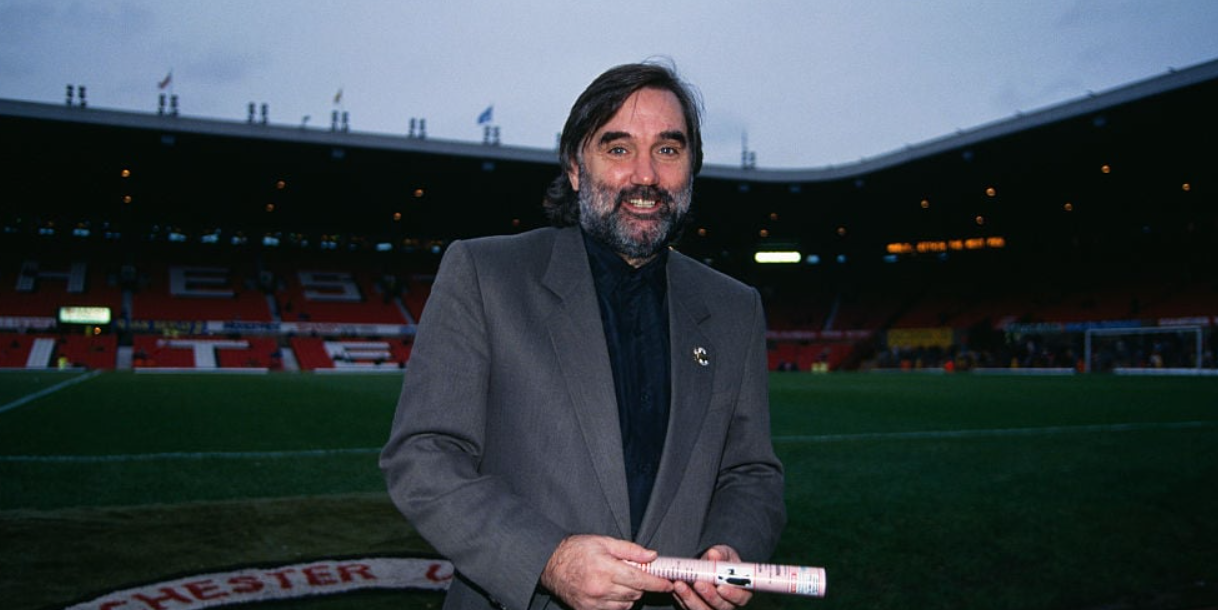

George Best was many things — a genius with a football at his feet, a cultural icon, a tabloid fixture, and one of the most complex personalities in the history of British sport. He is widely considered one of the greatest footballers who ever lived, and his years at Manchester United in the 1960s produced performances that people who witnessed them still struggle to put into adequate words. But while his talent was boundless, his financial story is a reminder that brilliance on the pitch does not always translate into security off it. What was George Best’s net worth, and what does it tell us about his extraordinary life?
George Best Net Worth: The Basic Picture
At the time of his death in November 2005, George Best’s estate was reported to be in modest shape — estimates suggested a net worth of around £150,000 to £500,000, a figure that felt incongruously small given the scale of his fame and the millions he had earned across his career. Some reports indicated his estate was considerably smaller, with debts factored in. For a man who had been one of the most celebrated athletes in the world, and who had earned — and spent — truly significant sums of money, it was a stark conclusion to a remarkable financial journey.
What Did George Best Earn at Manchester United?
George Best joined Manchester United as a teenager from Belfast in the early 1960s and went on to become the club’s most electrifying player throughout the decade. His wages during that era were modest by modern standards — football salaries before the abolition of the maximum wage and the eventual explosion of the Premier League era were a fraction of what today’s players earn — but Best supplemented his football income with commercial ventures that were unusual for the time.
He had endorsement deals, opened boutiques in Manchester, appeared in advertisements, and had his face on a bewildering range of products. He was, in many ways, the first modern footballer in terms of his commercial appeal and his relationship with celebrity culture. The fashion-forward Belfast boy became as well-known for his looks and lifestyle as for his football, and brands were eager to capitalise on that.
At his peak in the late 1960s, Best was probably earning more money than any other footballer in Britain, when you factored in his commercial income alongside his wages. He was famous enough internationally to attract opportunities that simply weren’t available to most of his peers.
George Best’s Lifestyle and Spending
If George Best had a rival for the title of “most discussed aspect of his personality,” it would be a straight fight between his footballing genius and his relationship with money and alcohol. He was, by his own admission, not particularly careful with his finances. His lifestyle was extravagant — expensive restaurants, hotels, gambling, and a social life that was the stuff of constant tabloid speculation.
His famous quote — “I spent a lot of money on booze, birds, and fast cars. The rest I just squandered” — captures something essential about his approach. It was delivered with the self-aware wit that made him so endearing even to those who shook their heads at his choices, but it also described a genuinely destructive pattern that ran through much of his adult life.
The gambling was a significant drain. Best was an enthusiastic and not always successful bettor, and large sums moved through his hands and away from them over the years. Combined with the cost of maintaining the lifestyle he had become accustomed to during his peak fame years, the money never stayed still for long.
Post-Manchester United Career Earnings
Best’s career at Manchester United effectively ended in the early 1970s, when a combination of his struggles with alcoholism and his growing disillusionment with the club’s direction led to a series of retirements and comebacks. After his time at Old Trafford, he played in the United States with the Los Angeles Aztecs and the Fort Lauderdale Strikers, among others, during the boom years of the North American Soccer League.
These American stints provided income, though the NASL was more about spectacle than serious football at the elite level. He also had spells at a range of clubs in the UK and beyond — Fulham being perhaps the most notable — but none of these generated the kind of income that his Manchester United years might suggest.
He remained a recognisable and marketable figure throughout the 1970s and 1980s, making appearances, doing after-dinner speaking, and appearing on television. But the commercial peak had passed, and his public profile was increasingly defined by his struggles with alcohol rather than his footballing achievements.
Endorsements, Media, and the George Best Brand
Throughout his life, Best’s name and image retained a commercial value that outlasted his playing career. He wrote autobiography after autobiography, appeared on chat shows and sports programmes, and remained a fixture in the public consciousness in a way that very few footballers of his era managed.
His relationship with the media was complicated — he could be charming and generous in interviews, but the coverage of his drinking and personal struggles created a narrative that was difficult to escape. His marriage to Angie Best and their subsequent high-profile relationship kept him in the tabloids, and he remained one of the most written-about figures in British sport even when he wasn’t playing.
There were licensing deals and book deals, and his name continued to appear on products long after his active career. But the management of these commercial opportunities was inconsistent, and financial advisors and management figures came and went throughout his life without ever establishing the kind of stable financial architecture that might have secured his long-term wealth.
Legal and Financial Difficulties
Best faced various financial challenges across his adult life, including periods when debts mounted and income didn’t keep pace with expenditure. He was never homeless or in genuine poverty, but the contrast between what he had earned at his peak and the financial reality of later life was significant.
His liver transplant in 2002, funded by the NHS, was followed by a period of recovery and then a return to drinking — a sequence that generated enormous public debate and media attention. His health situation in the final years of his life was both a personal tragedy and a public spectacle, and the focus on his decline inevitably coloured the way his legacy was discussed during that period.
He died in November 2005 at the age of 59, following organ failure linked to his long battle with alcoholism. The tributes that poured in were genuine and heartfelt, capturing both the sadness of how his life had ended and the profound respect people had for what he had achieved on the football pitch.
George Best’s Lasting Legacy
Whatever the final figure on his net worth at the time of his death, George Best’s cultural and sporting legacy is worth vastly more than any estate could capture. He transformed what it meant to be a footballer in Britain, combining athletic genius with personal magnetism in a way that had never quite been seen before and has rarely been replicated since.
Belfast International Airport was renamed George Best Belfast City Airport in 2006 — a tribute that says something about his enduring significance to Northern Ireland and to British football culture more broadly. His face still appears on murals in Belfast, his name is still invoked whenever discussions of the greatest ever footballers take place, and his goals and tricks live on through footage that has now been watched by millions of people who were born long after his playing days were over.
The George Best net worth story is, in the end, a story about a man whose gifts were extraordinary and whose flaws were equally pronounced. He earned enormous sums and spent them with equal enthusiasm. He was loved, celebrated, written about endlessly, and mourned genuinely. The pounds and pennies in his estate tell one part of that story, but it’s by far the smallest part.
What George Best’s Financial Story Really Reflects
For football fans and anyone interested in the intersection of sport, celebrity, and money, Best’s financial journey is a fascinating and sometimes uncomfortable study. He played in an era before players’ unions became powerful advocates, before financial education was considered part of a footballer’s training, and before the management structures that surround modern elite players were anything like as sophisticated.
A player of his talent emerging today would be a billionaire in all probability, managed by a team of financial professionals and lawyers, with image rights carefully controlled and invested. George Best got none of that. He got fame, adulation, extraordinary talent, and a life that was by any measure more vivid and intense than most people could imagine. Whether that constitutes a fair exchange is a question only he could have answered.