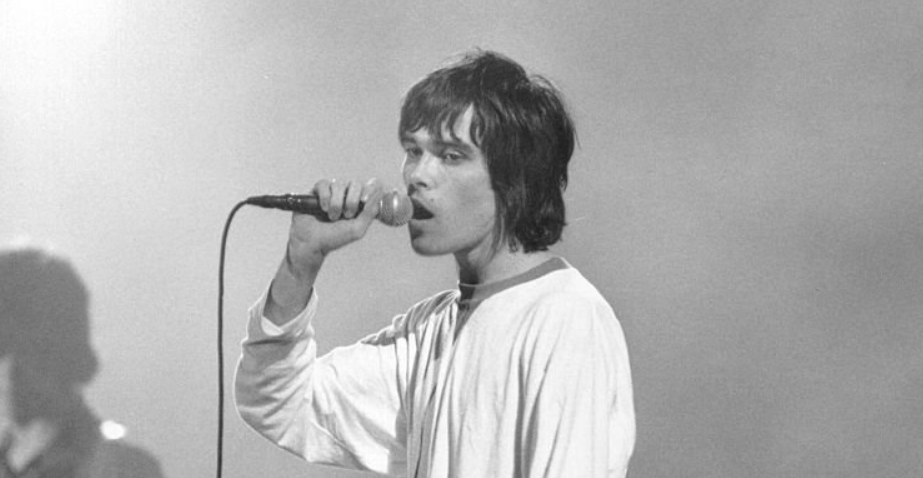



Few figures in British rock history carry the same mythological weight as Ian Brown. As the frontman of The Stone Roses — arguably the greatest band to emerge from the North of England — Brown has spent four decades oscillating between rock royalty and cult obscurity. But beyond the anthems, the haircuts, and the legendary Spike Island gig, one question keeps surfacing: just what is Ian Brown’s net worth, and how much did the Stone Roses accumulate across their turbulent career?
What Is Ian Brown’s Net Worth?
Ian Brown’s net worth is estimated to be in the region of £10 to £15 million. This figure accounts for his share of Stone Roses royalties, a lengthy solo career spanning eight studio albums, touring income, licensing deals, and various business interests accrued over more than three decades in the music industry. While he’s never been the kind of celebrity to flaunt lavish wealth publicly, the financial rewards of fronting one of Britain’s most influential bands have clearly been substantial.
It’s worth noting that net worth estimates for musicians at Brown’s level are notoriously difficult to pin down. Much of the money flows through royalties, publishing rights, and backend deals that aren’t publicly disclosed. What we can piece together comes from record sales, touring grosses, and the broader trajectory of his career earnings.
The Stone Roses: A Brief Financial History
The Stone Roses formed in Manchester in 1983 and spent the better part of the decade honing their sound before their landmark debut album dropped in 1989. That self-titled record — featuring classics like “I Wanna Be Adored,” “She Bangs the Drums,” and “I Am the Resurrection” — became one of the defining records of British music. It sold over four million copies worldwide and continues to generate royalties to this day.
Financially, though, the band’s early years were messy. They were signed to Silvertone Records, a deal they would later fight to escape. In 1990, after attempting to leave for Geffen Records, they were successfully sued by Silvertone for breach of contract. The legal battle cost the band significantly — not just in legal fees but in the momentum they had been building. They spent much of the early 1990s tied up in courtroom wrangling rather than recording and touring.
When they eventually signed to Geffen, the advance was reportedly substantial — figures of around £3 million have been cited in various accounts — but the subsequent album, Second Coming, released in 1994, was a commercial disappointment compared to the debut. It reached number four in the UK charts but sold far fewer copies globally. The band dissolved not long after, in 1996, amid internal tensions and the departure of drummer Reni and guitarist John Squire.
Solo Career Earnings and Music Income
After the Stone Roses split, Ian Brown launched a solo career that has proven more commercially successful than many critics expected. His 1998 debut solo album, Unfinished Monkey Business, went to number one in the UK. Subsequent albums — including Golden Greats, Music of the Spheres, and The World Is Yours — all charted well in Britain. He’s released eight solo studio albums in total, toured extensively, and maintained a loyal fanbase that has supported him through the decades.
Solo touring has been a reliable income stream. UK and European arena and festival appearances bring in considerable fees — top-billing artists at major UK festivals can command anywhere from £100,000 to several hundred thousand pounds per performance. Brown has headlined Glastonbury, T in the Park, and numerous other high-profile events, both as a solo act and with the Stone Roses.
The 2012 Reunion: A Financial Windfall
The Stone Roses’ reunion is where the really big money came in. Announced in late 2011, the reunion tour kicked off in 2012 with a string of sold-out stadium shows. The two Heaton Park dates in Manchester alone drew over 220,000 fans across three nights, with tickets selling out in minutes. The band also headlined festivals including T in the Park and supported further UK and European touring.
Industry estimates suggest the 2012 reunion generated upwards of £50 million in gross tour revenue. Split four ways among the original members — Brown, John Squire, Mani, and Reni — that represents life-changing money by any measure, even before management fees and production costs are factored in. Brown’s share from this period alone likely accounts for a significant portion of his current net worth.
The band continued to perform throughout 2013 and then again returned in 2016 for further stadium and festival dates, including a headline slot at Lollapalooza in Chicago and more UK shows. These appearances further boosted their collective earnings.
Publishing Rights and Royalties
One of the more quietly lucrative aspects of Ian Brown’s financial position is ongoing royalties from the Stone Roses’ back catalogue. Songs like “Fools Gold,” “Love Spreads,” “Ten Storey Love Song,” and the entirety of the debut album continue to appear in film soundtracks, TV programmes, advertising campaigns, and streaming playlists. Every sync licence — when a song is used in a film or advert — generates a fee, while streaming numbers for classic indie anthems remain consistently high.
Brown also holds publishing rights to music from his solo catalogue. While the numbers are smaller than the Stone Roses material, eight albums’ worth of songs generating passive royalty income adds up meaningfully over time. In the streaming era, artists with deep catalogues and enduring fanbases are well-positioned to benefit from platforms like Spotify and Apple Music.
Ian Brown’s Lifestyle and Property
Ian Brown has historically kept a relatively low-key public profile compared to some of his contemporaries. He’s known for his interest in conspiracy theories and alternative viewpoints — something that generated controversy, particularly during the COVID-19 pandemic when he made a number of disputed claims on social media. His lifestyle appears comfortable rather than extravagant; he’s based in the North West of England and doesn’t court the celebrity circuit in the way that might attract tabloid attention to his personal finances.
Property in Manchester and the surrounding areas, where Brown has long been based, would represent a sensible asset base. The North West property market, while cheaper than London, has seen significant appreciation over the past two decades. A musician of Brown’s stature, purchasing property at the height of his earnings, would have benefited from this appreciation.
How Does Ian Brown’s Wealth Compare to Other Stone Roses Members?
John Squire, the guitarist and principal songwriter of the Stone Roses, is often cited as potentially having a slightly higher net worth than Brown, largely due to his songwriting credits. In the music industry, the songwriter typically earns more from publishing royalties than the performer, since they hold the composition rights. Squire co-wrote the majority of the Stone Roses’ material and, after the band’s split, pursued a successful solo career and a second career as a painter — his artwork has sold for thousands of pounds.
Bassist Mani went on to join Primal Scream as a full-time member, earning additional income through that band’s extensive touring and recording career, while drummer Reni has maintained a lower profile since leaving the Stone Roses in 1995. Estimates place all four founding members comfortably in the millionaire bracket, with Brown and Squire likely at the higher end of that range.
Legacy, Influence and the Intangible Value of Credibility
There’s another dimension to Ian Brown’s worth that doesn’t appear on a balance sheet: cultural capital. The Stone Roses are the kind of band that shaped entire generations. Oasis cited them as a primary influence; the Britpop explosion of the 1990s was built in part on the foundations the Roses laid. Brown’s image — the loose, confident, almost arrogantly casual stage presence — became a template for a generation of rock frontmen.
That cultural credibility translates into commercial longevity. It’s why the reunion tours sold out so quickly, why his solo albums chart even without major label backing, and why he remains a headline act at British festivals decades after his commercial peak. The music industry rewards artists who have achieved legendary status with continued relevance, and Brown, whatever else one might say about him, has that status in spades.
His name continues to attract significant media attention, his social media following runs into the hundreds of thousands, and any announcement connected to the Stone Roses or a new solo project generates immediate national coverage. That kind of sustained public interest is the engine behind the ongoing royalty income, the festival fees, and the enduring value of a career that began in a Manchester rehearsal room in the early 1980s.
Controversies and Their Financial Impact
Ian Brown’s outspoken views — particularly around the COVID-19 pandemic, vaccines, and various conspiracy theories — did have a measurable impact on his public standing. Several endorsement opportunities were reportedly declined by brands wary of association. His position was dropped from some festival billings, and the backlash from sections of the music press was significant. Whether this materially impacted his income is hard to quantify, but it’s likely he lost some commercial opportunities during that period that he might otherwise have capitalised on.
He has remained unapologetic about his views, which aligns with his long-standing reputation as someone who doesn’t bend to industry or public pressure — the same quality that made him an icon in the first place. His core fanbase has largely remained loyal, which means the touring and streaming income continues to flow.
What Ian Brown’s story illustrates, ultimately, is how a musician who was a major commercial force in the late 1980s and early 1990s can build lasting financial security through a combination of legacy catalogue earnings, a sustained solo career, and a carefully timed reunion that capitalised on a deeply loyal fanbase willing to pay premium prices to relive something special. Few reunion tours in British music history have matched the emotional and commercial impact of the Stone Roses’ return, and Brown, as the face of that reunion, benefited handsomely.
The Stone Roses’ Musical Legacy and Its Ongoing Commercial Value
It would be incomplete to discuss Ian Brown’s net worth without addressing the sheer cultural weight that the Stone Roses catalogue carries two decades after their second dissolution. Albums and compilations continue to sell. The debut album regularly tops polls of the greatest British albums ever made, sitting alongside records by The Beatles, The Smiths, and Radiohead in the critical conversation. This kind of enduring cultural prestige has very real commercial consequences.
Streaming alone for an album of that stature generates meaningful quarterly income. Songs like “I Wanna Be Adored” and “She Bangs the Drums” are staples of indie disco nights, student union playlists, and film soundtracks. Each use generates a payment to the publishing entity that holds the rights, and while individual payments are modest, the aggregate across millions of plays per year compounds into something substantial.
Reissues and anniversary editions are another revenue source. The music industry regularly marks significant anniversaries of landmark albums with expanded reissues featuring bonus tracks, live recordings, and extensive liner notes. The Stone Roses’ debut has been reissued multiple times, generating sales income and renewed media attention on each occasion. The 20th anniversary reissue in 2009 was a significant commercial event in its own right, preceding and likely contributing to the appetite for the 2012 reunion.
The Wider Manchester Music Economy
Brown’s financial story is also partly a story about Manchester — a city whose musical culture has generated enormous commercial value across multiple generations. From The Smiths and Joy Division to The Stone Roses, Oasis, and beyond, Manchester has produced some of the most commercially successful music in British history. The cultural economy of that legacy benefits its participants in ways that are sometimes direct (touring income, royalties) and sometimes diffuse (the status and credibility that opens doors to other opportunities).
Brown’s position at the top of the Madchester era — alongside figures like Liam and Noel Gallagher, who were directly influenced by him — means he benefits from a musical ecosystem that continues to generate global interest. Documentaries, oral histories, museum exhibitions, and academic research into the Madchester scene all maintain the visibility of the artists at its centre, keeping their music in the public conversation and sustaining the commercial relevance that makes royalty income flow.
His solo output in recent years has been quieter commercially than his peak, but he retains the ability to generate headlines and to sell concert tickets in a way that many of his peers cannot. That sustained drawing power is itself a financial asset — the live music industry rewards artists who can fill venues reliably, and Brown has demonstrated that ability consistently.