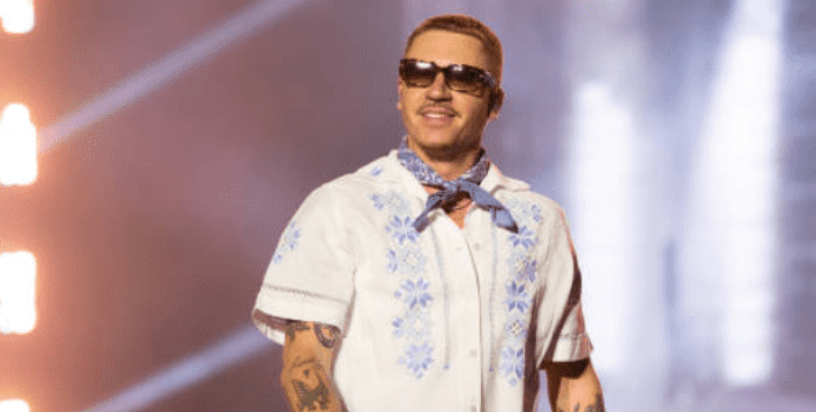
Macklemore is one of those rare artists who managed to break into the mainstream without a major label behind him. Born Benjamin Hammond Haggerty in Seattle, Washington, the rapper, singer, and songwriter has built a career that defies many of the usual rules of the music industry. With a net worth estimated at around $25 million, he stands as proof that independence can pay off — literally.
But the story behind that number is far more complicated than a simple rise to fame. It involves addiction, reinvention, viral success, smart business decisions, and a willingness to stay true to a vision that the industry repeatedly told him would not work.
Where Did the Money Come From?
Most people first heard of Macklemore through “Thrift Shop,” the 2012 single that became a global phenomenon. Produced by his longtime collaborator Ryan Lewis, the track hit number one on the Billboard Hot 100 and went on to sell millions of copies worldwide. What made it remarkable was not just its commercial success, but the fact that it was released independently — no record label, no traditional distribution deal, just two artists and a team that believed in what they were doing.
The album that followed, The Heist, debuted at number two on the Billboard 200 and went on to win four Grammy Awards, including Best New Artist and Best Rap Album. Those wins were controversial in some circles — many felt Kendrick Lamar’s Good Kid, M.A.A.D City deserved the rap album trophy — but they cemented Macklemore’s place in mainstream hip-hop and dramatically increased his earning potential.
Because Macklemore and Ryan Lewis owned their masters and controlled their distribution, the financial returns from The Heist era were significantly larger than they would have been under a typical label deal. In the traditional model, artists often receive a fraction of sales revenue after the label recoups its investment. By going independent, Macklemore and Lewis kept the lion’s share of the profits from album sales, streaming, and merchandise.
Touring Revenue
Live performance has been a major income stream throughout Macklemore’s career. Following the success of The Heist, he and Ryan Lewis embarked on extensive tours that sold out venues across North America, Europe, and Australia. Arena-level tours can generate tens of millions in gross revenue, and as an independent act keeping a larger percentage of ticket sales, the financial impact was substantial.
Even after the initial wave of mainstream attention subsided, Macklemore continued to tour consistently. His live shows are known for their energy and production value, which helps maintain ticket demand even during periods between album releases. Touring remains one of the most reliable income sources for musicians at his level, and Macklemore has been strategic about maintaining a robust touring schedule throughout his career.
Music Catalogue and Streaming
Owning his own music catalogue is one of the smartest financial decisions Macklemore has made. In an era where legacy artists are selling their catalogues for hundreds of millions, ownership of masters represents a significant and appreciating asset. Every time a Macklemore track is streamed on Spotify, Apple Music, or any other platform, the revenue flows directly to him and his team rather than to a record label.
“Thrift Shop” alone has accumulated billions of streams across platforms. At even modest per-stream rates, that represents a substantial ongoing income. Add in “Can’t Hold Us,” “Same Love,” “Downtown,” and the rest of his catalogue, and the streaming revenue becomes a meaningful component of his overall wealth.
The value of this catalogue will likely continue to grow as streaming platforms expand globally and as nostalgia cycles bring renewed attention to early 2010s music.
Business Ventures Beyond Music
Macklemore has not limited himself to earning solely through music. Like many savvy artists, he has explored business opportunities that leverage his personal brand and public profile.
Merchandise and Fashion
The “Thrift Shop” aesthetic was more than just a song concept — it became a genuine cultural moment that Macklemore capitalised on through merchandise sales. His team developed a merch line that resonated with fans and reflected the accessible, anti-establishment ethos of his music. Concert merchandise alone can generate significant revenue for touring artists, and Macklemore’s distinctive brand identity made his products particularly appealing to his fanbase.
Media and Content Creation
In recent years, Macklemore has been open about his struggles with addiction and recovery, which has led to opportunities in media and content creation. His willingness to discuss these personal challenges publicly has made him a sought-after voice in conversations about mental health and substance abuse.
He released a documentary about his sobriety journey and has been involved in various media projects that explore themes of recovery, identity, and personal growth. These projects generate income while also serving a larger purpose that clearly matters to him on a personal level.
Brand Partnerships and Endorsements
While Macklemore has never been the type of artist to plaster his name across every available product, he has engaged in selective brand partnerships over the years. These deals, when chosen carefully, can be extremely lucrative for artists with a strong and authentic personal brand. His association with themes of thrift, individuality, and self-improvement makes him an attractive partner for brands that align with those values.
The Ryan Lewis Partnership
Any discussion of Macklemore’s financial success has to acknowledge the role of Ryan Lewis, who produced the music that made them both famous. The Macklemore & Ryan Lewis partnership was one of the most commercially successful independent collaborations in hip-hop history.
After releasing two massively successful projects together — The Heist and This Unruly Mess I’ve Made — the duo eventually went their separate ways professionally. Macklemore continued as a solo artist, releasing music under his own name. While the split naturally affected the dynamic of his releases, it also meant that subsequent solo projects were entirely his own, both creatively and financially.
Solo Career Earnings
Macklemore’s solo work has continued to generate income, though at a different scale than the peak Macklemore & Ryan Lewis era. His solo album Gemini, released in 2017, featured collaborations with artists like Kesha, Lil Yachty, and Skylar Grey, and produced several charting singles. While it did not replicate the commercial explosion of The Heist, it demonstrated that Macklemore could maintain a viable career on his own terms.
His 2023 album BEN continued this trajectory, with Macklemore leaning further into personal storytelling and themes of recovery. The album received positive critical attention and showed that his fanbase remains engaged and loyal, which translates directly into streaming numbers, concert attendance, and merchandise sales.
Real Estate and Personal Investments
Based in the Seattle area, Macklemore has invested in real estate in one of America’s most expensive and fastest-growing property markets. The Pacific Northwest real estate market has seen significant appreciation over the past decade, driven by the tech industry and population growth. Property investments in this region have likely contributed meaningfully to his overall net worth.
While specific details of his property portfolio are not publicly disclosed, it is common for high-net-worth individuals in the entertainment industry to hold a significant portion of their wealth in real estate, both as a hedge against the inherent volatility of entertainment income and as a long-term wealth-building strategy.
Financial Management and Independence
One of the most interesting aspects of Macklemore’s wealth story is his consistent commitment to independence. In an industry where artists routinely sign away their financial futures for short-term advances, Macklemore chose a path that required more patience and risk upfront but delivered far greater financial rewards over time.
This approach requires not just artistic talent but genuine business acumen. Managing an independent music career means handling everything from distribution and marketing to accounting and legal affairs. The fact that Macklemore has maintained and grown his wealth over more than a decade suggests a level of financial literacy and discipline that goes beyond what many people expect from a rapper known for a song about shopping at thrift stores.
Philanthropy and Social Impact
Macklemore has been vocal about various social causes throughout his career, most notably LGBTQ+ rights (through songs like “Same Love”) and addiction recovery. His advocacy work has included speaking at events, supporting recovery programmes, and using his platform to reduce the stigma around addiction and mental health issues.
While philanthropic activities do not directly contribute to net worth, they are worth mentioning because they reflect the values that have shaped Macklemore’s career and business decisions. His willingness to take public stands on potentially divisive issues has actually strengthened his brand by creating a loyal fanbase that connects with him on a deeper level than music alone.
The $25 Million Picture
When you add it all together — the independent music sales, the streaming royalties, the touring income, the merchandise, the real estate, the brand partnerships, and the ongoing value of a music catalogue he actually owns — the $25 million estimate starts to make sense. In fact, given the value of master recordings and the Seattle property market, the true figure could be somewhat higher.
What makes Macklemore’s financial story stand out is not the headline number, but the way he built it. In an industry designed to extract value from artists, he found a way to keep the value for himself. That independent streak, combined with genuine talent and a willingness to be vulnerable in public, has created a career and a fortune that most people in the music business would envy — even if they might not admit it.