Enterprise hiring has had a problem for years. Companies talk about finding the best talent, but too many still rely on methods that miss strong candidates, slow teams down, and make big decisions feel more like educated guesses than clear business choices. CV screening can be narrow. Interviews can be inconsistent. Job requirements can be overbuilt. And in high-volume or high-stakes hiring, those problems only get bigger.
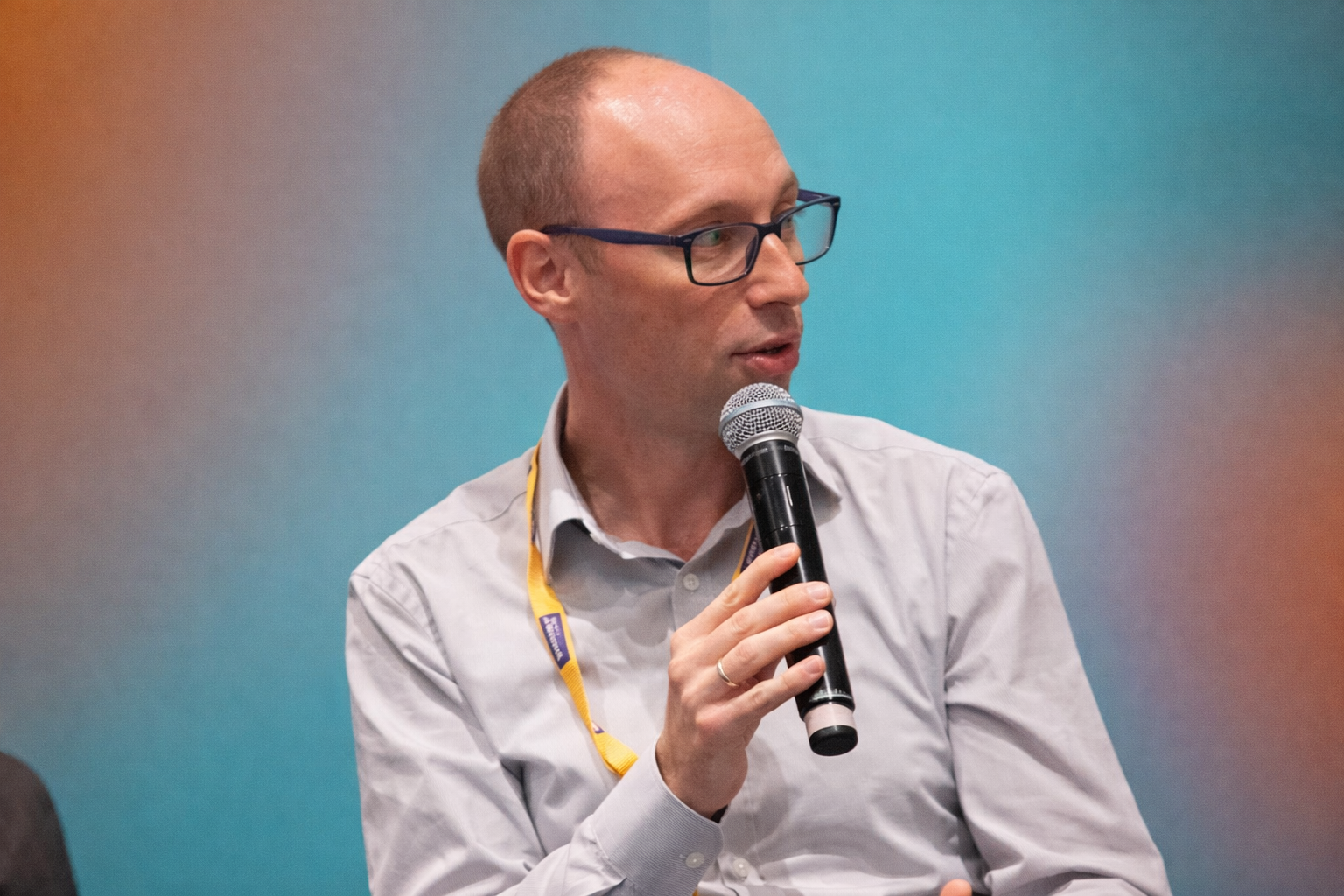
That is the space Nick Shaw stepped into with Spotted Zebra.
As a co-founder of Spotted Zebra, Nick Shaw helped build a company around a simple but powerful idea: hiring should be based on skills, not assumptions. That sounds obvious on paper, but in practice it changes everything. It changes how roles are defined, how candidates are assessed, how interviews are run, and how hiring managers make final decisions. Instead of leaning on instinct, pedigree, or keyword matching, the process becomes more structured, more evidence-based, and a lot more useful for enterprise teams trying to hire with confidence.
Spotted Zebra did not rise by chasing every trend in HR tech. It grew by focusing on a real enterprise problem and building around a clear point of difference. Under the leadership of Nick Shaw and fellow co-founder Ian Monk, the company positioned itself as a skills-based hiring platform that blends occupational psychology, assessment science, interview intelligence, and responsible AI. That combination helped Spotted Zebra move from early vision to serious traction, funding momentum, and industry recognition.
How Nick Shaw Saw the Gap in Enterprise Hiring
Nick Shaw came into Spotted Zebra with a background that gave him a sharp view of what hiring was getting wrong. Instead of looking at recruitment only as a workflow problem, he approached it through the lens of occupational psychology, role success, and workforce capability. That matters because enterprise hiring is not just about filling vacancies. It is about finding people who can actually perform in the role, grow into the business, and help close long-term skills gaps.
That sounds straightforward, but many large organisations still struggle with it. Hiring teams are often under pressure to move fast, manage high application volumes, improve candidate experience, reduce bias, and still maintain quality of hire. When those pressures pile up, traditional hiring methods start to show their limits.
A good CV does not always predict performance. An unstructured interview can reward confidence over capability. Degree requirements can exclude talented people with the right skills. At scale, those issues can hurt time to hire, first-year retention, internal mobility, and overall workforce planning.
Nick Shaw and the Spotted Zebra team saw that the bigger issue was not just hiring speed. It was hiring design. If the process begins with weak role definitions and ends with subjective decisions, then even the most polished recruitment process can still deliver the wrong result. That insight shaped the company from the beginning.
Why Spotted Zebra Built Around Skills Science
Spotted Zebra’s strongest differentiator has been its focus on skills science. In simple terms, that means trying to understand what success in a role actually looks like, then building assessments and interview frameworks around those skills rather than vague assumptions or outdated job descriptions.
That approach gave the company something stronger than a generic recruiting tool. It gave Spotted Zebra a more serious answer to enterprise talent decisions.
For Nick Shaw, this was not about adding another nice-sounding layer to the hiring process. It was about building a system that could help employers make better and fairer decisions. When organisations know which soft skills, cognitive strengths, technical abilities, and behavioural traits are most closely linked to success, they can create a much more reliable hiring workflow.
That has a direct effect on the parts of recruitment that matter most. It improves job fit. It supports hiring managers with better structure. It helps talent acquisition teams compare candidates against role-specific criteria. It can also support reskilling, succession planning, and internal talent mobility because skills data becomes useful beyond the first hire.
This is one reason Spotted Zebra stood out in the HR tech market. It was not only talking about hiring innovation. It was tying recruitment technology back to workforce management, future-ready workforce planning, and organisational capability.
Turning Hiring Into a More Measurable Process
One of the biggest reasons enterprise employers started paying attention to Spotted Zebra was that the company treated hiring as something measurable.
That matters because enterprise recruitment is rarely a one-person decision. It involves recruiters, hiring managers, leadership teams, and often compliance or people operations stakeholders as well. Large employers need processes that are defendable, repeatable, and scalable. They need to know why someone was selected, how a role was benchmarked, and whether the process supports fair hiring across teams and regions.
Spotted Zebra’s model helped answer those needs.
By creating clearer role skills profiles and linking them to structured assessment design, the platform made it easier to move away from vague decision-making. Instead of relying on a loose sense of who felt right, talent teams could work with assessment data, structured interviews, skills intelligence, and more consistent evaluation criteria.
That does not make hiring robotic. In fact, it can make it more human. When the process is clearer, hiring managers spend less time guessing and more time understanding candidate potential. When the role criteria are sharper, candidates are judged more fairly. When interview structure improves, the conversation becomes more meaningful instead of being shaped by random questions and personal bias.
That is where Spotted Zebra found a valuable position in modern recruitment. It gave enterprises a way to improve recruitment efficiency without reducing people to a checklist.
Why Enterprise Buyers Responded to the Spotted Zebra Model
Selling into enterprise hiring is different from selling a lightweight tool to small businesses. Large organisations want evidence, reliability, and practical outcomes. They want to know a platform can work across business units, support hiring at scale, and fit into wider talent strategy.
Spotted Zebra’s message lined up well with those demands.
The company was not pitching a magic fix. It was speaking to real problems enterprise employers were already feeling: skills shortages, long hiring cycles, weak candidate filtering, inconsistent interviews, and too much distance between recruitment activity and actual business performance.
That is where Nick Shaw’s leadership story becomes important. Spotted Zebra did not just market itself as modern. It built credibility around a clear thesis. Skills-based hiring is not a buzzword when it is connected to better hiring outcomes, lower guesswork, stronger interview intelligence, and more confidence in talent decisions.
The more pressure enterprises faced around workforce capability, the stronger that message became. Companies were not just hiring for open roles. They were trying to build resilient teams, improve succession planning, and make better use of the talent already inside the business. A platform built around skills data naturally became more relevant in that environment.
How Responsible AI Strengthened the Story
A lot of hiring platforms talk about AI. Far fewer explain what kind of AI they are using, how it supports decision-making, or why talent teams should trust it.
Spotted Zebra took a more grounded route.
Instead of presenting AI as a replacement for human judgement, the company positioned it as a way to enhance human decision-making. That is a meaningful distinction, especially in enterprise recruitment, where accuracy, fairness, transparency, and traceability matter.
This became a stronger part of the company’s growth story as more employers began facing two connected challenges at once. On one side, there were widening skills gaps. On the other, there was a surge of AI-generated job applications that made screening harder, not easier. In that kind of environment, automation alone is not enough. Employers need better signals.
Spotted Zebra’s answer was to connect AI with skills science and interview intelligence. That helped the company stand apart from tools that only automate admin tasks. The pitch was not just speed. It was smarter hiring decisions.
That framing also made the platform more appealing to enterprise teams that wanted innovation without losing oversight. Responsible AI in hiring is no longer a nice extra. It is becoming part of the trust layer around recruitment technology. By leaning into explainable AI, structured evaluation, and consistent skills measurement, Spotted Zebra strengthened its position in a crowded category.
From Early Vision to Series A Growth
A startup can have a strong idea and still struggle to turn it into real momentum. What gave Spotted Zebra’s story extra weight was that the market started validating the company’s direction.
One of the clearest signals came with its Series A funding. That milestone mattered not only because of the capital itself, but because it showed investors believed the company was solving a real and growing problem inside enterprise talent acquisition.
Funding rounds are often treated like headlines, but for a business like Spotted Zebra they tell a deeper story. They suggest the company has moved beyond concept stage and into a phase where product expansion, customer growth, and category relevance are becoming more tangible.
For Nick Shaw and the wider Spotted Zebra team, this stage represented more than financial backing. It meant more room to scale the platform, refine the product suite, and push the company’s skills-based model further across hiring, workforce planning, reskilling, and talent development.
This is part of what makes the company’s rise worth writing about. Spotted Zebra was not built on vague disruption language. It gained traction because its core idea kept matching the needs of the market.
How Awards Helped Spotted Zebra Build Trust Faster
Awards do not build a company on their own, but they can accelerate trust when they validate real product value.
That is exactly how industry recognition helped Spotted Zebra.
As the company grew, it began earning awards and analyst recognition tied to candidate assessment, innovation in recruitment, skills assessment, interview intelligence, and the use of AI. That mattered because it signaled that Spotted Zebra was not only telling a good story. It was being noticed by the market for what its platform was actually doing.
In enterprise software, trust is hard won. Buyers want proof points. They want signals that a vendor understands the space, can deliver results, and is building something durable rather than temporary hype. Recognition in HR tech and talent acquisition circles helps reduce that uncertainty.
For Nick Shaw, these milestones also reinforced the broader leadership narrative around Spotted Zebra. The company was becoming known not only as a startup with an interesting vision, but as an award-winning hiring platform with growing authority in skills-based recruitment.
That kind of momentum matters. It helps with brand credibility, enterprise conversations, partner confidence, and market visibility. It also supports the bigger idea that Spotted Zebra was becoming a rising force in enterprise hiring rather than just another early-stage platform trying to find its voice.
Why Spotted Zebra Became a Rising Name in Modern Recruitment
There is a reason Spotted Zebra’s name has continued to gain attention in enterprise recruitment. The company sits at the intersection of several major shifts that are reshaping how employers think about talent.
One is the move from credentials to capabilities. Another is the growing need for skills intelligence across the employee lifecycle. Another is the demand for fairer hiring and more structured interviews. And another is the push for AI tools that are useful, responsible, and tied to real business outcomes.
Spotted Zebra did not create all of those shifts, but it built a platform that speaks directly to them.
That is where Nick Shaw’s role in the story stands out. He helped shape a company that was not reacting to hiring trends on the surface level. It was building around deeper questions about role success, candidate potential, workforce capability, and long-term talent strategy.
That is also why the company’s progress feels more substantial than a typical startup growth narrative. It is tied to a genuine business problem, a clear product thesis, and a market that is actively looking for better ways to hire, reskill, and plan for the future.
What Nick Shaw and Spotted Zebra Represent in Enterprise Hiring
The story of Nick Shaw and Spotted Zebra is really a story about what enterprise hiring is becoming.
It is becoming more skills-based, more structured, more data-informed, and more connected to broader workforce decisions. It is moving away from hiring guesswork and toward systems that can support quality, fairness, and scale at the same time. It is becoming less about who looks right on paper and more about who can actually succeed in the role.
Spotted Zebra’s rise shows how powerful that shift can be when it is backed by the right blend of assessment science, interview intelligence, product thinking, and market timing.
Nick Shaw helped build that foundation. And that is why Spotted Zebra has become one of the more interesting names to watch in the enterprise hiring space.