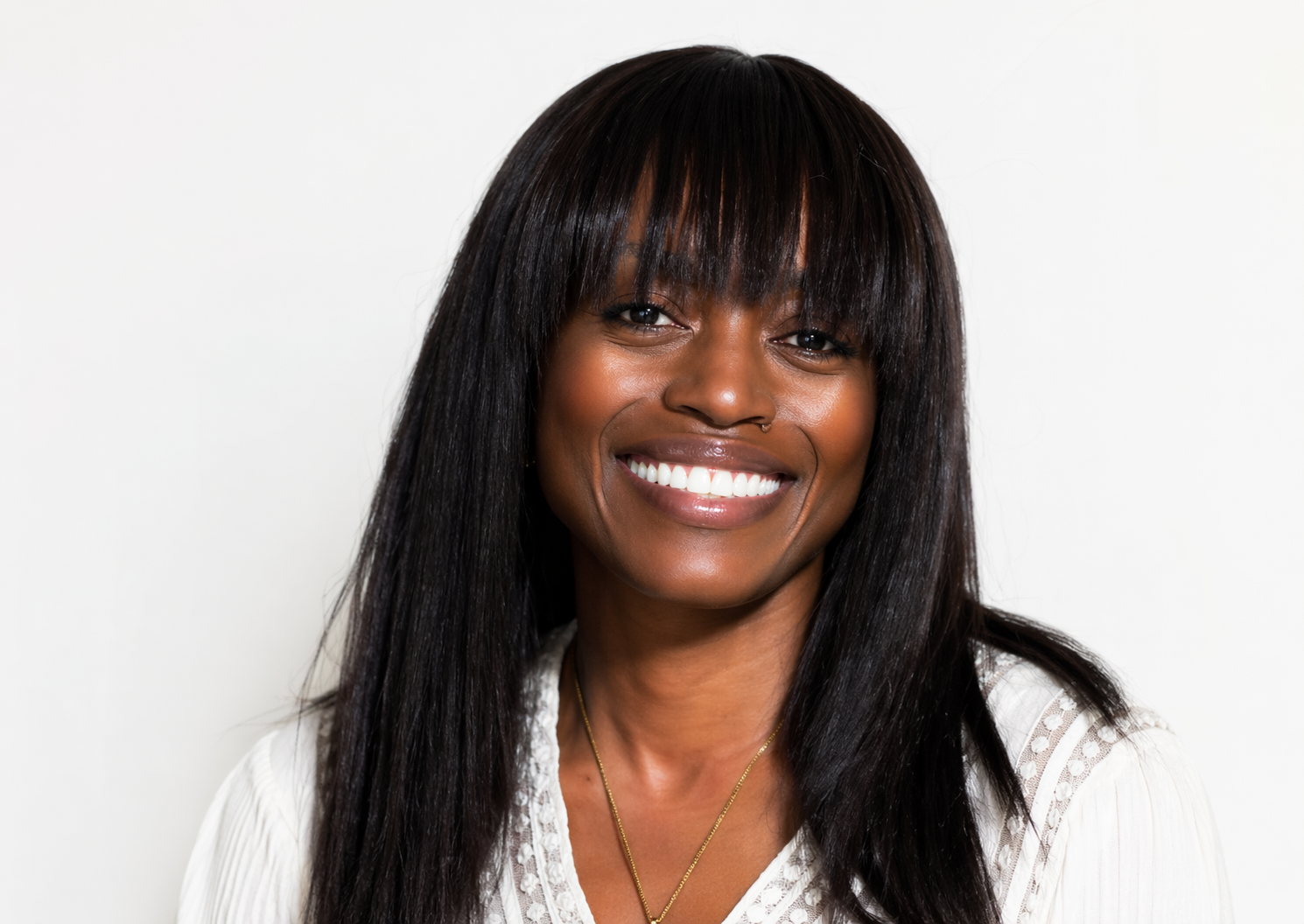
Leadership can look glamorous from the outside. Titles get bigger, calendars get fuller, and the people around you assume you have everything figured out. In reality, many women find the opposite is true. The higher they rise, the fewer honest spaces they have to ask questions, compare notes, find support, and build the kind of relationships that actually help them grow.
That is the problem Dee Poku Spalding set out to solve with The WIE Suite.
What makes her story interesting is that she did not build just another networking brand. She built a community with a clearer purpose. The idea was not to gather women in a room, exchange a few business cards, and call it impact. The goal was to create a place where women in leadership could strengthen their careers, sharpen their personal brands, learn from peers, and support one another in ways that felt practical and real.
Over time, that vision helped turn The WIE Suite into a respected name among founders, senior executives, and influential women looking for more than surface-level connection.
Dee Poku Spalding’s background before The WIE Suite
Before building her own platform, Dee Poku Spalding worked in the entertainment industry and held senior roles at Paramount Pictures and Focus Features. That background matters because it gave her firsthand experience with storytelling, brand building, influence, and the kind of gatekeeping that often shapes who gets visibility and who does not.
She was not approaching women’s leadership from theory alone. She had already seen how powerful networks work, how careers are often accelerated through access, and how much advantage comes from being in the right rooms with the right people.
That experience gave her a strong foundation, but it also exposed a larger problem. Too many traditional business spaces were still narrow in who they reflected, who they prioritized, and how they defined success. For women, especially those trying to lead at a high level, there were not enough environments that felt both ambitious and genuinely supportive.
The bigger gap she saw in women’s leadership
The idea behind The WIE Suite did not appear overnight. It grew out of Dee Poku Spalding’s earlier work with The WIE Network, which she co-founded in 2010. At the time, women’s leadership conversations were growing, but many of the mainstream business forums still lacked diversity in perspective, voice, and lived experience.
That gap created an opening.
Rather than accept the usual format, she helped build one of the earlier modern women’s conference platforms designed to bring a wider range of voices into the conversation. That early work was important because it showed there was a real appetite for spaces where women could talk openly about ambition, leadership, visibility, culture, and the pressure of building a career in environments that were not always designed for them.
As that work evolved, so did the need. Events were valuable, but they were not enough on their own. Women wanted ongoing connection, not just one inspiring day on a stage calendar.
Why Dee Poku Spalding created The WIE Suite
That shift is a big part of why The WIE Suite stands out.
Instead of staying focused on conferences alone, Dee Poku Spalding moved toward a community model. She recognized that many women leaders needed something deeper and more consistent. They needed a third space outside of work and outside of their personal circles. A place where they could talk honestly about career challenges, leadership decisions, business growth, team dynamics, visibility, and the emotional weight that often comes with responsibility.
This was a smart move because it reflected how leadership actually works in real life. Big career decisions do not happen in a vacuum. They happen through conversation, context, reflection, and trusted relationships.
The WIE Suite was built around that reality. It positioned itself as a private membership community for extraordinary women leaders, helping members strengthen their careers, leverage their personal brands, and access insight and expertise from peers. That promise gave the brand clarity. It was not trying to be everything to everyone. It was designed for women who were already building, leading, deciding, and shaping what came next.
What made The WIE Suite different from a typical networking group
A lot of communities talk about connection. Fewer create structures that make connection useful.
That is one of the clearest reasons The WIE Suite gained traction. It was built around action, not just access.
The membership model includes things like tailored introductions, peer coaching groups, masterclasses, curated salons, and intimate events. On paper, that may sound similar to what many professional communities promise. The difference is in how the brand frames those experiences. The emphasis is not on collecting contacts. It is on helping members advance, solve problems, exchange knowledge, and open doors for each other.
That practical angle matters. Women in leadership are not usually looking for more noise. They are looking for substance. They want thoughtful relationships, high-quality peer learning, and communities that respect their time.
The WIE Suite seems to understand that well. It is designed for C-level leaders, established founders, and women with decision-making power. It also reflects the idea that leadership can be strengthened through peer-to-peer support rather than competition.
That alone makes it feel different from the usual networking culture, which can often feel transactional, performative, or overly broad.
How Dee Poku Spalding built credibility around the brand
No community becomes influential just because it has a polished message. People trust it when they see that the right kinds of women are drawn to it, speak through it, and help shape it.
Dee Poku Spalding understood that credibility grows through alignment. From its earlier roots to its current form, The WIE Suite has attracted a notable circle of speakers, supporters, and participants. Names associated with its orbit include Mellody Hobson, Arianna Huffington, Christy Turlington, Queen Rania, Melinda Gates, Thasunda Duckett, Diane von Furstenberg, and Nancy Pelosi.
That kind of association does two things. First, it signals that the platform operates in serious leadership circles. Second, it reinforces the idea that this is not a trend-driven community. It is part of a broader conversation about power, influence, access, and the future of women’s leadership.
Credibility also came from Dee’s own positioning. She was not entering this work as a casual observer. She had already built in media, founded community-driven initiatives, and developed a clear voice around women’s advancement. Her work with Black Women Raise also reflects that broader commitment to creating access and opportunity, especially around growth capital and scale for Black female founders.
The real value The WIE Suite offers women in leadership
The strongest communities solve real problems. That is where The WIE Suite appears to be most intentional.
For one, it addresses the isolation that can come with leadership. Many women at senior levels need peers who understand what it means to manage teams, make high-stakes decisions, navigate visibility, and keep growing without losing themselves in the process.
Second, it creates room for professional development that feels relevant to women who are already accomplished. This is not entry-level advice. It is built around leadership-focused talks, workshops, tactical exchanges, and peer coaching.
Third, it supports personal brand growth in a way that fits modern leadership. Today, influence is not only about titles. It is also about how clearly someone communicates, how confidently they show up, and how well they position their ideas. A strong community can help sharpen all of that.
Then there is the network itself. The WIE Suite emphasizes referrals, introductions, collaborations, and shared knowledge. That matters because real career growth often happens when people actively support one another, not just cheer each other on from a distance.
This is where the brand feels especially practical. It does not treat community as a soft extra. It treats it as infrastructure for growth.
Partnerships that show The WIE Suite’s growing influence
Another sign of success is when outside brands see clear value in the platform.
A strong example is The WIE Suite’s partnership with Mejuri. Through that collaboration, the two organizations launched a fellowship and global skill-building series aimed at supporting underrepresented women leaders. The partnership included access to professional development, peer coaching, curated salons, and a private digital membership experience.
That kind of collaboration matters because it shows that The WIE Suite is not just speaking about empowerment in abstract terms. It is creating structures that offer tangible access, education, and connection.
It also reflects Dee Poku Spalding’s ability to grow the brand beyond a single audience or format. She built a community strong enough to attract meaningful partnerships while still keeping its core mission intact.
How Dee Poku Spalding turned community into a leadership strategy
One of the most interesting parts of this story is that Dee Poku Spalding did not treat community as a side project. She treated it as a serious leadership strategy.
That is worth paying attention to.
Too often, business culture separates strategy from relationships, as if one is hard and the other is soft. But in practice, the two are deeply connected. Trusted networks shape hiring, deals, partnerships, mentorship, visibility, and long-term growth.
By building The WIE Suite, Dee created a structure where women could exchange both insight and opportunity. That made the community more durable. It was not built on inspiration alone. It was built on relevance.
This approach also speaks to a broader shift in how leadership communities succeed today. People do not stay for generic access. They stay for quality, trust, specificity, and shared momentum. The most effective communities make members feel seen, challenged, supported, and connected to something bigger than themselves.
That is exactly the space The WIE Suite has tried to occupy.
What founders and community builders can learn from her approach
There is a lot other founders can take from Dee Poku Spalding’s model.
The first lesson is to build around a real need. The WIE Suite works because it responds to an actual gap in women’s leadership, not a made-up branding opportunity.
The second lesson is to be clear about who the community is for. Dee did not build a vague professional network. She built for women leaders, founders, executives, innovators, and creators who wanted thoughtful connection and real career momentum.
The third lesson is that depth matters more than noise. A smaller, more intentional community often creates more value than a bigger audience with weak engagement.
The fourth lesson is to make support actionable. Introductions, referrals, peer coaching, workshops, and curated conversations all help turn a community from a nice idea into something members can actually use.
And finally, there is the importance of long-term trust. Communities do not become powerful because they are fashionable for a moment. They become powerful when people feel that the mission is real, the standards are high, and the relationships inside the space can genuinely change what is possible.
That is what Dee Poku Spalding has been building with The WIE Suite. Not just a brand people recognize, but a community women in leadership can grow inside.