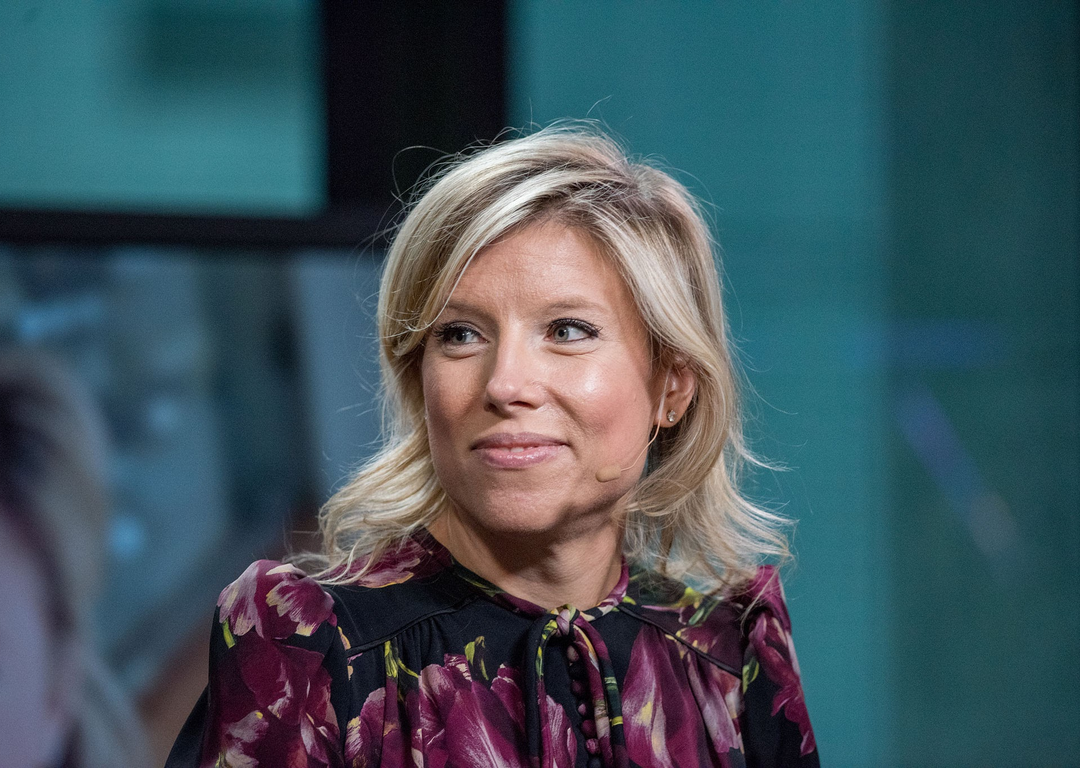
When people think about modern cupcake culture in the United States, Georgetown Cupcake is one of the first names that tends to come up. That did not happen by accident. Behind the brand is Sophie Kallinis LaMontagne, who helped turn a neighborhood bakery into a business that became known far beyond Washington, DC.
What makes Sophie’s story interesting is that it is not just about baking. It is about timing, brand identity, customer experience, media visibility, and the ability to take a simple product and make it feel special. Alongside her sister Katherine Kallinis Berman, Sophie helped build a bakery that stood out in a crowded dessert market by focusing on quality, consistency, and a memorable customer experience.
In a category where many businesses came and went, Georgetown Cupcake managed to stay relevant. It became known not only for beautifully decorated cupcakes, but also for the personality behind the brand, its polished presentation, its strong word of mouth, and its ability to grow from a local favorite into a nationally recognized dessert business.
Who Is Sophie Kallinis LaMontagne
Sophie Kallinis LaMontagne is best known as the co-founder and co-owner of Georgetown Cupcake, but her path into entrepreneurship did not begin in a traditional bakery setting. Before launching the company, she built experience in other professional spaces, including healthcare policy and venture capital. She also studied at Princeton University, which adds another layer to her story and helps explain why her approach to business has always felt thoughtful and strategic.
That background matters because Sophie did not build Georgetown Cupcake purely on passion. She brought structure, discipline, and a bigger-picture mindset to the business. The company may be known for sweet treats, but the growth behind it reflects strong decision-making and a clear understanding of how to turn a niche product into a recognizable brand.
Her journey also became more compelling because she was not doing it alone. She built the business with her sister, and that family dynamic gave the brand a more personal identity. Customers were not just buying cupcakes. They were buying into a story about two sisters taking a leap, building something from scratch, and turning baking into a serious business.
How the Idea for Georgetown Cupcake Started
The idea behind Georgetown Cupcake was rooted in a genuine love of baking. Sophie and Katherine have often connected their early interest in baking to family influence, especially time spent learning from their grandmother. That personal history helped give the business an authentic foundation.
Still, opening a bakery was a major risk. Both sisters left stable career paths to start a cupcake shop in Georgetown, one of the most visible neighborhoods in Washington, DC. The bakery opened on Valentine’s Day 2008, which turned out to be a memorable launch date and a fitting beginning for a business built around celebration, indulgence, and emotional connection.
The timing is important because the late 2000s were a moment when boutique food concepts were getting more attention, but that did not guarantee success. Plenty of cute food businesses opened with excitement and disappeared just as quickly. Georgetown Cupcake had to do more than follow a trend. It had to earn repeat customers and create a distinct identity from the beginning.
That early decision to build around a highly specific niche helped. Instead of trying to be a broad bakery that sold everything, Sophie and Katherine focused on cupcakes and made that category feel elevated. That choice gave them a clearer message, a tighter brand, and a product people could immediately associate with the business.
Why Georgetown Cupcake Felt Different From Other Bakeries
One reason Georgetown Cupcake stood out was the way it made cupcakes feel premium. The bakery was not positioned like an ordinary neighborhood cake shop. It leaned into the idea of gourmet cupcakes, which gave the product a more upscale identity.
That difference showed up in several ways. The cupcakes were handcrafted, visually polished, and designed to feel like more than a quick dessert purchase. The store experience also helped reinforce that premium feel. Presentation mattered. Packaging mattered. Flavor names mattered. The overall brand felt carefully built rather than casual or improvised.
This was especially important in a dessert market where people often buy with their eyes first. A product that photographs well, feels giftable, and looks special already has an advantage. Georgetown Cupcake understood that early, and Sophie helped shape a business that paid attention to details customers would notice.
At the same time, the product had to deliver. A bakery can attract attention once through appearance, but it only becomes a lasting brand when customers come back. That is where quality and consistency became essential. The cupcakes needed to look good, taste good, and feel dependable enough that people would recommend them to friends, bring them to events, and think of them when they wanted something celebratory.
How Sophie Kallinis LaMontagne Helped Build a Distinct Brand Identity
A lot of food businesses sell good products. Fewer know how to build a brand that people actually remember. Sophie helped Georgetown Cupcake become recognizable by shaping more than just the menu. She helped create a brand with a clear personality.
Part of that came from founder visibility. The sister-led story gave the company warmth and relatability. Customers were not looking at a faceless bakery chain. They were seeing real founders with a real story, and that made the business more memorable.
Brand identity also came from consistency. Georgetown Cupcake kept a clean, polished image that matched its product positioning. It felt feminine, celebratory, and stylish without losing the warmth of a neighborhood bakery. That balance helped the company appeal to local customers, tourists, gift buyers, and online audiences alike.
Sophie’s role in that process matters because strong branding rarely comes from luck. It comes from making repeated choices about what the business should feel like, how it should be perceived, and what kind of experience it should deliver. Georgetown Cupcake did not become a standout name simply because cupcakes were popular. It became memorable because the brand gave people a specific feeling.
The Role of Product Variety in Georgetown Cupcake’s Growth
Another reason Georgetown Cupcake built a loyal following was its product variety. Cupcakes may sound simple, but the brand found ways to make the category feel fresh and exciting. Signature flavors, seasonal offerings, limited-time creations, and visually distinct designs gave customers a reason to keep coming back.
That kind of menu strategy matters more than it seems. A bakery that only relies on a few standard options can quickly feel repetitive. But when a brand introduces new flavors and keeps the menu dynamic, it creates anticipation. People start checking in to see what is new. They talk about favorites. They come back for special occasions. They bring friends.
For a specialty bakery, that kind of repeat behavior is gold. It turns a one-time purchase into a habit, and it turns a popular bakery into a brand with community and conversation around it.
Sophie helped support that growth by treating cupcakes not as a novelty but as a category with room for creativity. That mindset helped Georgetown Cupcake stay interesting even as the initial cupcake craze cooled down. Instead of feeling like a short-lived trend, the brand felt like an evolving dessert business with staying power.
How DC Cupcakes Took Georgetown Cupcake Beyond Washington
The biggest jump in public visibility came when Georgetown Cupcake became the focus of the TLC series DC Cupcakes. That show introduced the bakery to a much wider audience and transformed it from a well-known local business into a nationally recognized brand.
Television exposure can be powerful, but it does not always lead to long-term brand value. In many cases, the attention fades quickly. What made this different was that the show amplified a business that already had a strong identity. The product, the founders, and the story were already compelling. The show simply gave those strengths a much larger stage.
For Sophie, this was a major moment because it positioned her as more than a bakery owner. It made her part of a larger conversation about entrepreneurship, women-led businesses, and founder-driven brands. Viewers were not just watching cupcakes being decorated. They were watching the real pressure, energy, and ambition involved in building a fast-growing business.
That kind of visibility helped Georgetown Cupcake become part of popular culture for a time. It also brought in customers who may never have visited the original store in Georgetown but still felt familiar with the brand. In branding terms, that level of recognition is hard to buy. The show created awareness, but the company’s consistency is what helped that awareness turn into lasting equity.
How Sophie Turned Visibility Into Long Term Brand Growth
One of the smartest parts of the Georgetown Cupcake story is that Sophie and her team did not rely on television alone. They used that visibility as a launchpad for broader brand growth.
That included expanding the business beyond a single storefront and developing a stronger national presence through ecommerce and nationwide shipping. For a dessert brand, shipping is a major step because it changes the customer base. Suddenly, the brand is no longer limited to walk-in traffic or local buzz. It can become part of birthdays, celebrations, gifts, and special moments across the country.
The brand also extended into publishing through books like The Cupcake Diaries and Sweet Celebrations. That move added another layer of credibility and helped position Sophie and Katherine as authorities in their space. A cookbook is not just a product. It is also a branding tool. It deepens the emotional connection with fans and gives the business another way to stay relevant.
This is where Sophie’s business value becomes especially clear. She helped turn short-term attention into long-term brand assets. Instead of letting visibility peak and fade, she helped build channels that could continue driving recognition, loyalty, and revenue.
The Customer Experience That Helped Georgetown Cupcake Stand Out
A lot of brands can get attention once. Not all of them earn loyalty. That is where the customer experience at Georgetown Cupcake made a difference.
People often remember specialty food brands because of how those brands make them feel. In this case, the product was tied to celebrations, gifting, cravings, and moments of indulgence. That emotional connection matters, and Sophie helped build a business that understood it.
Customer experience showed up in the consistency of the brand, the excitement around flavors, the polished presentation, and the sense that the bakery was always trying to create something people would enjoy sharing. In the food world, shareability matters both offline and online. A dessert that feels memorable is more likely to be photographed, posted, gifted, and talked about.
The founders’ involvement also helped. A founder-led business often feels more attentive because the people behind it care deeply about the details. That kind of energy shapes the customer experience even when customers do not see every decision happening in the background.
For Georgetown Cupcake, loyalty did not come from hype alone. It came from giving people a reason to return. That is one of the clearest lessons in Sophie’s story. Great branding gets attention, but great customer experience is what gives a brand staying power.
What Entrepreneurs Can Learn From Sophie Kallinis LaMontagne and Georgetown Cupcake
There is a lot for entrepreneurs to take from the success of Sophie Kallinis LaMontagne and Georgetown Cupcake.
First, niche can be powerful. The company did not try to do everything. It focused on cupcakes and made that product feel premium, giftable, and worth talking about.
Second, brand identity matters just as much as product quality. The bakery’s visual appeal, founder story, and polished presentation helped it become memorable in a way many competitors never achieved.
Third, visibility works best when the foundation is already strong. DC Cupcakes created a major spotlight, but the brand was ready for it because it already had a clear product, a compelling story, and a customer experience people responded to.
Fourth, long-term growth usually comes from turning attention into assets. Sophie helped do that through shipping, publishing, media exposure, and a broader brand ecosystem that extended beyond one physical bakery.
Finally, staying close to the customer still matters. Even when a brand becomes nationally known, the basics do not change. People come back for quality, consistency, and the feeling that the brand still cares about the experience it delivers.
That is a big part of why Georgetown Cupcake became more than a trendy dessert spot. Under Sophie’s leadership, it became a recognizable name in the world of gourmet cupcakes, a founder-driven success story, and a brand that showed how a focused idea can grow into something much bigger.