




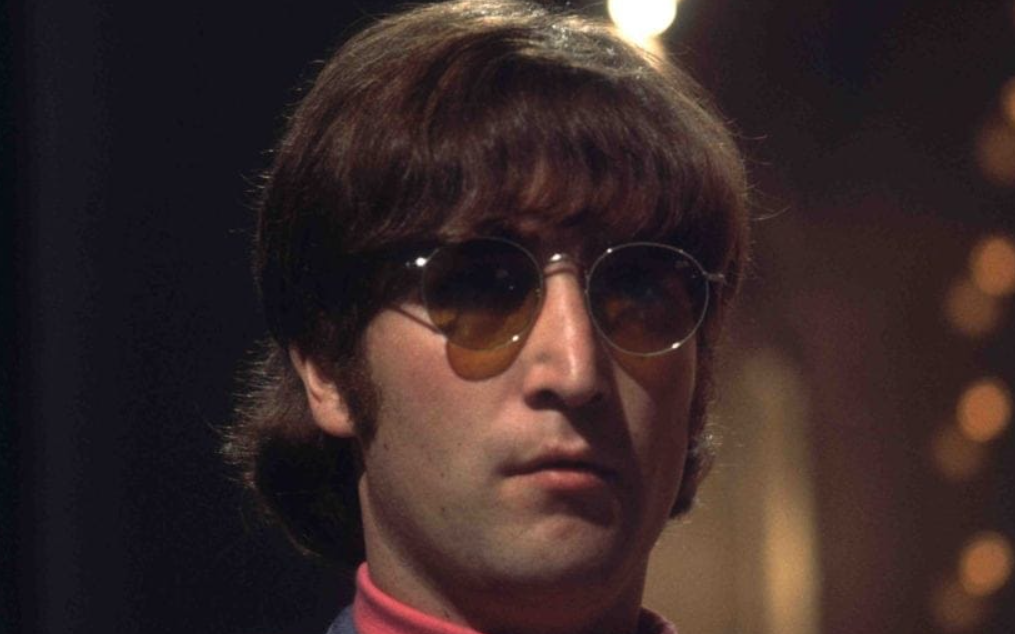
Few musicians have left a mark on the world quite like John Lennon. Even decades after his death, his name still carries weight not just in music, but in culture, politics, and yes, money. Fans still stream his songs daily, documentaries continue to revisit his life, and new generations keep discovering his work. All of that fuels one big, persistent question: how much was John Lennon really worth?
Talking about John Lennon’s net worth isn’t just about throwing out a number. His wealth was tied to songwriting rights, long-term royalties, property, and an estate that keeps earning year after year. Unlike many celebrities whose income fades once the spotlight moves on, Lennon’s financial story keeps evolving. His music never stopped working for him.
Below is a deep, human look at John Lennon’s net worth, how he earned it, what it was worth at the time of his death, and why his fortune still matters today.
John Lennon Net Worth
When people search for john lennon net worth, they usually want a clear figure. Most reputable estimates place John Lennon’s net worth at around $200 million at the time of his death in 1980, when adjusted for inflation. In raw numbers during his lifetime, that figure was lower, but inflation dramatically changes the picture.
The challenge is that Lennon’s wealth wasn’t sitting in a single bank account. His fortune was spread across:
- Songwriting and publishing royalties
- Music catalog ownership
- Real estate
- Investments
- Future earnings tied to licensing and usage
That’s why different sources sometimes show different numbers. Some focus only on what he personally owned in 1980, while others include the ongoing value of his estate and music catalog. What’s undeniable is that John Lennon was one of the wealthiest musicians of his era, and his financial legacy has only grown since.
Early Life and Financial Background Before Fame
Growing Up in Liverpool With Modest Means
John Lennon didn’t come from money. He was born and raised in Liverpool, England, in circumstances that were far from glamorous. His childhood was shaped by family instability, emotional distance, and financial limitations. There were no trust funds, no industry connections, and no safety net waiting for him.
Money wasn’t something Lennon had in abundance early on. If anything, that lack of privilege helped fuel his hunger to create something meaningful. Music wasn’t a hobby for him; it was an escape and a potential way out.
Early Musical Influences and First Earnings
Before fame, Lennon played small gigs, local venues, and informal performances. The pay was minimal, sometimes just enough to cover travel or equipment. These early years didn’t build wealth, but they built resilience.
Those first earnings mattered less financially and more psychologically. They proved that music could pay, even if only a little. That belief laid the foundation for everything that came next.
The Beatles Era and Explosive Wealth Growth
Formation of The Beatles and Breakthrough Success
Everything changed when Lennon co-founded The Beatles. What started as a local band quickly turned into a global phenomenon. Beatlemania wasn’t just cultural madness; it was an economic engine.
Once their popularity exploded, money followed fast. Album sales skyrocketed, tours sold out in minutes, and the band became one of the most marketable names on the planet.
Album Sales, Tours, and Global Beatlemania
During their peak years, The Beatles generated enormous revenue from multiple streams:
- Millions of album sales worldwide
- International tours with massive ticket sales
- Television appearances and film projects
- Merchandise tied to their image
For John Lennon, this era transformed his financial reality almost overnight. He went from scraping by to earning sums that few musicians had ever seen before.
Lennon’s Role as a Primary Songwriter
One of the biggest drivers of John Lennon’s net worth was his role as a songwriter. The Lennon–McCartney partnership wasn’t just creatively powerful; it was financially brilliant. Songwriting royalties often pay more consistently than performance income, and Lennon benefited heavily from that structure.
Every time a Beatles song was played on the radio, sold, or later streamed, Lennon earned a share. That income didn’t stop when the band stopped touring. It kept flowing.
Music Royalties and Publishing Rights
Lennon–McCartney Songwriting Partnership
The songwriting agreement between John Lennon and Paul McCartney is still considered one of the most valuable in music history. The songs they wrote together became timeless standards, covered and replayed endlessly.
This partnership meant Lennon earned not just during his active years, but for decades afterward. Publishing rights turned creativity into a long-term asset.
Long-Term Royalty Income
Lennon’s royalties came from many directions:
- Radio airplay across the world
- Album reissues and remasters
- Cover versions by other artists
- Licensing for films, TV shows, and commercials
These revenue streams helped turn John Lennon’s net worth into something that outlived him. His music didn’t age out of relevance, and neither did the income it produced.
Solo Career Earnings After The Beatles
Albums, Singles, and Creative Control
After The Beatles broke up, Lennon launched a solo career that was both artistically bold and commercially successful. While his solo work didn’t always match the sales of Beatles records, it still generated significant income.
Albums, hit singles, and collaborations added millions to his wealth. More importantly, Lennon gained greater creative and financial control over his work, which meant better long-term earnings.
Commercial Success vs Artistic Choices
John Lennon often chose expression over profit. Some projects were deeply personal, political, or experimental. Even so, fans remained loyal, and his music continued to sell.
That balance between art and commerce is part of why his financial legacy feels authentic. He wasn’t chasing money, yet money kept coming.
Real Estate, Assets, and Personal Investments
Homes in the UK and the United States
One of Lennon’s most well-known assets was his New York City residence. Real estate played a meaningful role in his net worth, especially as property values increased over time.
Owning high-value property in major cities added stability to his wealth beyond music income.
Personal Assets and Valuables
Beyond property, Lennon owned valuable personal items, including:
- Musical instruments
- Original manuscripts and handwritten lyrics
- Artwork and memorabilia
Many of these items appreciated in value, becoming collectibles with cultural and historical significance.
Business Decisions and Financial Management
Managers, Contracts, and Legal Structures
Like many artists of his era, Lennon didn’t always have perfect financial guidance early on. Some contracts favored record labels and managers more than the artists themselves.
Over time, Lennon became more aware of how money worked and took greater interest in controlling his business affairs. That shift helped protect his wealth later in life.
Financial Mistakes and Missed Opportunities
Not every decision was flawless. Lennon, like many young artists who suddenly find themselves rich, faced:
- Poor early contracts
- Limited control over publishing at times
- Financial losses tied to management disputes
These experiences shaped his later approach to money and ownership.
John Lennon’s Net Worth at the Time of His Death
By 1980, John Lennon’s financial position was solid and diversified. Estimates suggest his net worth at the time of his death was the equivalent of roughly $200 million today, once inflation is taken into account.
That wealth included:
- Ongoing royalty streams
- Valuable real estate
- Ownership stakes in music rights
- Personal assets with long-term value
Importantly, much of his wealth was designed to keep earning. Lennon wasn’t just rich; he was financially positioned for the future.
What Happened to John Lennon’s Money After His Death
The Role of His Estate
After his death, John Lennon’s estate became responsible for managing his assets, music rights, and legacy. The estate ensured that royalties continued to be collected and that his work was properly licensed and protected.
This careful management allowed Lennon’s net worth to remain strong long after his passing.
Royalties, Licensing, and Ongoing Revenue
Today, John Lennon’s music continues to generate income through:
- Streaming platforms
- Film and television licensing
- Anniversary releases and box sets
- Documentaries and biographical projects
His estate has helped turn his creative output into a sustainable financial engine.
How John Lennon’s Net Worth Compares to Other Music Legends
Comparison With Fellow Beatles
Compared to other members of The Beatles, Lennon’s net worth was highly competitive. Differences often came down to business choices, songwriting credits, and post-band ventures rather than talent alone.
Comparison With Other Rock Icons
When stacked against other legendary musicians, Lennon consistently ranks near the top. His combination of songwriting royalties, cultural relevance, and long-term catalog value puts him in rare company.
Few artists have managed to stay both influential and financially powerful for so long.
Why John Lennon’s Financial Legacy Still Matters Today
John Lennon’s net worth isn’t just a number from the past. It’s a living example of how creativity, ownership, and cultural impact can translate into lasting wealth.
His songs still resonate, his words still inspire, and his music continues to earn. That combination explains why people are still searching for john lennon net worth decades later. The money tells one story, but the legacy behind it tells a much bigger one.