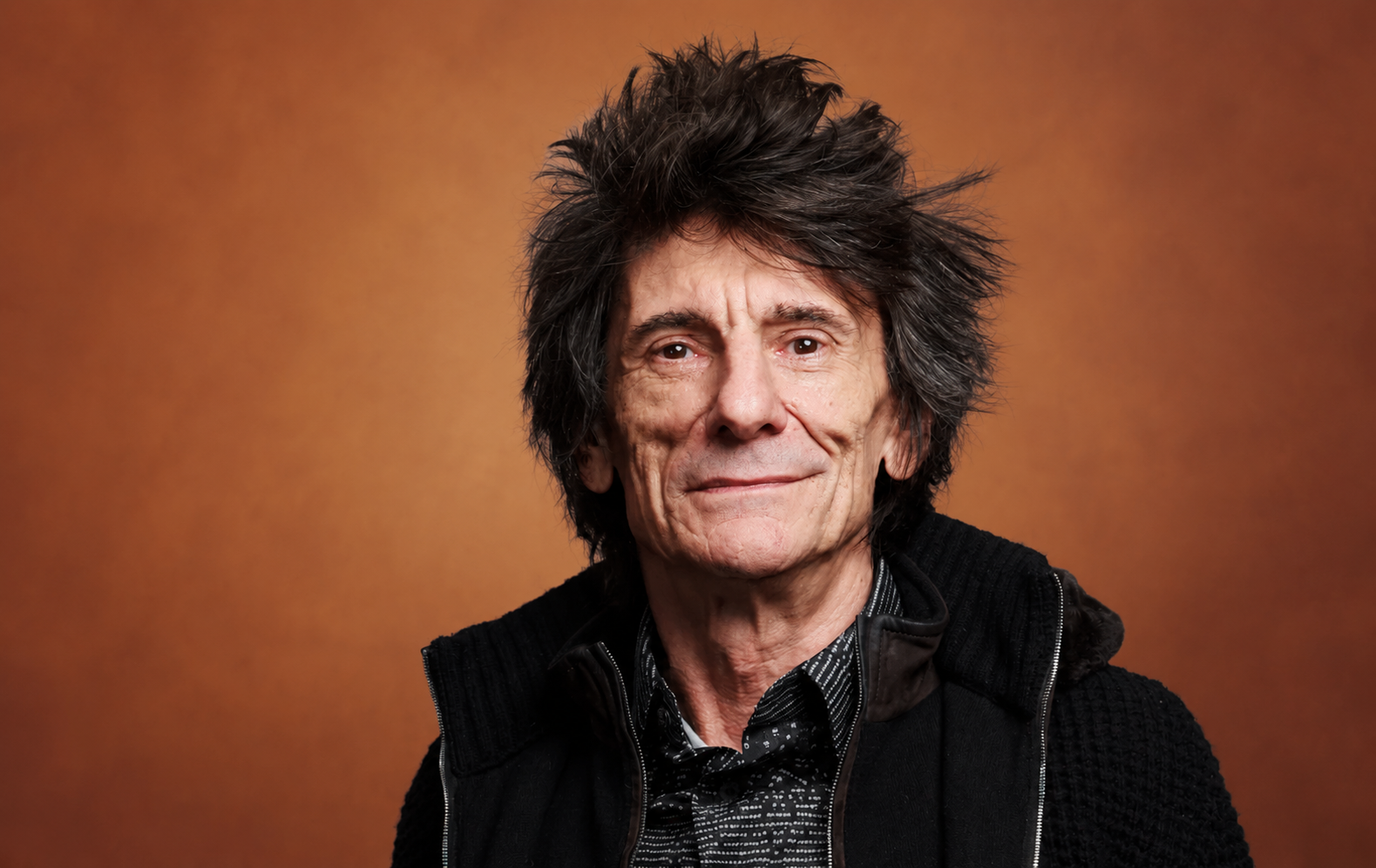
Ask Rick Wakeman about money and he’ll usually beat you to the punchline. “I’ve lost more money than most people earn in a lifetime,” the Yes keyboardist has said, and he’s not exaggerating for effect. By his early thirties he’d reportedly run through around £10 million — on cars, capes, ice shows and a lifestyle that ended, at one low point, with him sleeping rough. The man worth an estimated $10-15 million today is proof that a fortune and financial security are not the same thing.
Here’s where the money actually came from, where it went, and how one of prog rock’s most excessive spenders quietly rebuilt himself into a solvent, still-touring 77-year-old.
Rick Wakeman’s Net Worth in 2025: The Headline Number
Most sources, led by the well-cited Celebrity Net Worth, put Rick Wakeman’s net worth at around $10 million (roughly £8 million). More generous estimates that factor in the Yes back-catalogue royalties and decades of media work stretch the figure to $15 million. Treat any of these as an educated estimate rather than gospel — Wakeman has never filed his accounts with a tabloid, and private wealth is always guesswork built on public earnings.
What’s not in doubt is the shape of the story. This is a two-act financial life: a spectacular seventies boom, a collapse, and a slow, deliberate second fortune built on discipline rather than blockbusters.
- Age: 77 (born 18 May 1949)
- Main income today: Yes catalogue royalties, solo touring, broadcasting, memoir and merchandise sales
- Marital status: Married four times; currently married to Rachel Kaufman
- Estimated net worth: $10-15 million
From Session Pianist to Yes: How He Made His First Fortune
Before Yes, Wakeman was one of London’s busiest session players. He’s on David Bowie’s Space Oddity (that’s his Mellotron), Cat Stevens’ Morning Has Broken, and hundreds of tracks most people have heard without knowing it. Session work paid the bills but never made anyone rich.
Joining Yes in 1971 changed the maths entirely. Fragile (1971) and Close to the Edge (1972) turned the band into arena headliners, and the royalty cheques that flow from albums that sell for fifty years are the closest thing music offers to a pension. Then came the solo detonation: The Six Wives of Henry VIII and, in 1974, Journey to the Centre of the Earth — a number-one album he performed with a full orchestra and choir. For a stretch in the mid-seventies, Wakeman was one of the highest-earning musicians in Britain.
‘I Lost £10 Million by My Early Thirties’: The Financial Collapse
And then he spent it. Fast. Wakeman’s own retelling — delivered with the self-deprecation of a man who’s made peace with his mistakes — is the hook every other net-worth page skips. When This Is Your Life summed him up, the tally was blunt: three heart attacks, multiple marriages, and roughly £10 million gone before he’d turned 35.
“I had every car you could think of. I had a fleet of them. The trouble is, you can only drive one at a time.”
The spending was legendary. He bankrolled a live-on-ice version of King Arthur at Wembley, kept a fleet of expensive cars he couldn’t simultaneously drive, and funded stage productions grand enough to lose money even when they sold out. Divorce settlements, tax bills that arrive after the income has stopped, and a rock-star aversion to accountants did the rest. At the bottom, the man who’d headlined arenas was, by his own account, effectively broke.
The Health Scares That Forced a Reckoning
The money wasn’t the only thing collapsing. Wakeman suffered three heart attacks in his twenties — tied to relentless touring, heavy drinking and smoking — and in 1985 was diagnosed with alcoholic hepatitis and told, bluntly, that another drink could kill him.
That warning did what the empty bank account couldn’t. Sobriety reshaped not just his health but his career decisions. The reckless, all-or-nothing showman gave way to a working musician who understood that steady, repeatable income beats one enormous, unsustainable payday. It’s the pivot the rest of his finances turn on.
The Rebuild: TV, Radio and Steady Touring
Wakeman’s second act was built on something the seventies version would have found unglamorous: reliability. A whole new audience met him not through prog epics but through television. His deadpan turns on the BBC’s Grumpy Old Men revealed a natural raconteur, and that persona became a franchise — the Grumpy Old Rock Star memoirs and the one-man theatre shows they spawned.
Broadcasting became a genuine income stream: his own show on BBC Radio, regular guest slots, and the kind of media presence that keeps a name in front of ticket-buyers year after year. Meanwhile the orchestral spectaculars — Journey and King Arthur revivals — came back as recurring earners rather than money pits, because this time he ran them like a business.
Where Rick Wakeman’s Money Comes From Today
The current net worth isn’t one big pile — it’s a diversified spread, which is exactly why it has proved durable. Roughly, the income breaks down like this:
- Yes catalogue royalties — Fragile, Close to the Edge and Going for the One still generate streaming and licensing income decades on.
- Solo albums and reissues — a catalogue of more than 100 records, endlessly repackaged for the collectors’ market.
- Touring — the Grumpy Old Rock Star and Even Grumpier shows, plus solo piano tours, where the overheads are low and the margins are his.
- Media, memoirs and merchandise — books, broadcasting fees, and the steady trickle of a devoted fanbase.
It’s the difference between a musician who chased one more hit and one who built a small, well-run cottage industry around a beloved name. Fellow British rock survivors have taken the same route — Roger Daltrey’s net worth similarly leans on The Who’s back-catalogue royalties and relentless touring rather than any single windfall.
What Happened to Rick Wakeman? His Life and Career Today
In 2025-2026 Wakeman is still working, still gigging, and still — to hear him tell it — grumpy. The headline that the aggregator sites have missed: he has announced plans to wind down solo touring around his 77th birthday, framing it not as retirement but as stepping back from the road while he can still do it well.
Music remains a family trade. His sons Oliver Wakeman (a keyboardist who has himself played in Yes) and Adam Wakeman (long-serving keyboard player for Ozzy Osbourne and Black Sabbath) both built substantial careers of their own — a legacy that’s arguably as valuable as any royalty cheque.
Rick Wakeman’s Net Worth vs. His Yes Bandmates
Against other prog-rock keyboardists and his own bandmates, Wakeman lands comfortably in the middle — which, given how much he lost, is a quiet triumph.
| Musician | Role | Estimated net worth |
|---|---|---|
| Rick Wakeman | Yes keyboardist | $10-15 million |
| Jon Anderson | Yes vocalist | ~$8 million |
| Steve Howe | Yes guitarist | ~$12 million |
| Roger Daltrey | The Who vocalist | ~$140 million |
The gap with a peer like Daltrey is instructive. Some fortunes come from owning a huge, radio-saturated catalogue; Wakeman’s comes from longevity and diversification — a hundred smaller streams instead of a handful of giant ones. It’s less dramatic, but as his own history shows, it’s far harder to blow.
If you enjoy the money-and-mistakes genre, our breakdowns of Peter Dinklage’s net worth and Wes Streeting’s net worth follow the same trace-where-it-actually-came-from approach.
The lesson in Wakeman’s numbers isn’t “prog rock pays.” It’s that surviving your own success — the health scares, the divorces, the fleet of cars you can only drive one at a time — is its own kind of fortune. He lost £10 million and lived to laugh about it on stage every night. Most people who lost that much never got the second act.
FAQs
What is Rick Wakeman’s net worth in 2025?
Rick Wakeman’s net worth is estimated at $10-15 million (roughly £8-12 million) in 2025. The widely cited figure is $10 million, with higher estimates factoring in Yes catalogue royalties and decades of broadcasting and touring income. All such figures are estimates, as his finances have never been publicly disclosed.
How did Rick Wakeman lose his money?
By his early thirties Wakeman had reportedly lost around £10 million through lavish spending — a fleet of expensive cars, ambitious loss-making stage productions like King Arthur on Ice, and multiple divorce settlements. Combined with tax bills and heavy living, it left him effectively broke at the height of his fame, at one point reportedly sleeping rough.
Is Rick Wakeman still touring?
Yes, as of 2025-2026 Rick Wakeman is still performing his solo piano and Grumpy Old Rock Star shows. However, he has announced plans to wind down solo touring around his 77th birthday, stepping back from the road while continuing other work.
How much did Rick Wakeman earn from Yes?
Wakeman never disclosed exact figures, but joining Yes in 1971 for hit albums Fragile and Close to the Edge made him one of Britain’s highest-earning musicians in the mid-seventies. The Yes catalogue still generates streaming and licensing royalties today, forming a core part of his ongoing income.
What happened to Rick Wakeman’s health?
Wakeman suffered three heart attacks in his twenties, linked to heavy touring, drinking and smoking. In 1985 he was diagnosed with alcoholic hepatitis and warned another drink could be fatal. Giving up alcohol reshaped both his health and his more disciplined approach to money and career.
How many times has Rick Wakeman been married?
Rick Wakeman has been married four times. His costly divorce settlements were among the reasons his early fortune evaporated. He is currently married to Rachel Kaufman.