



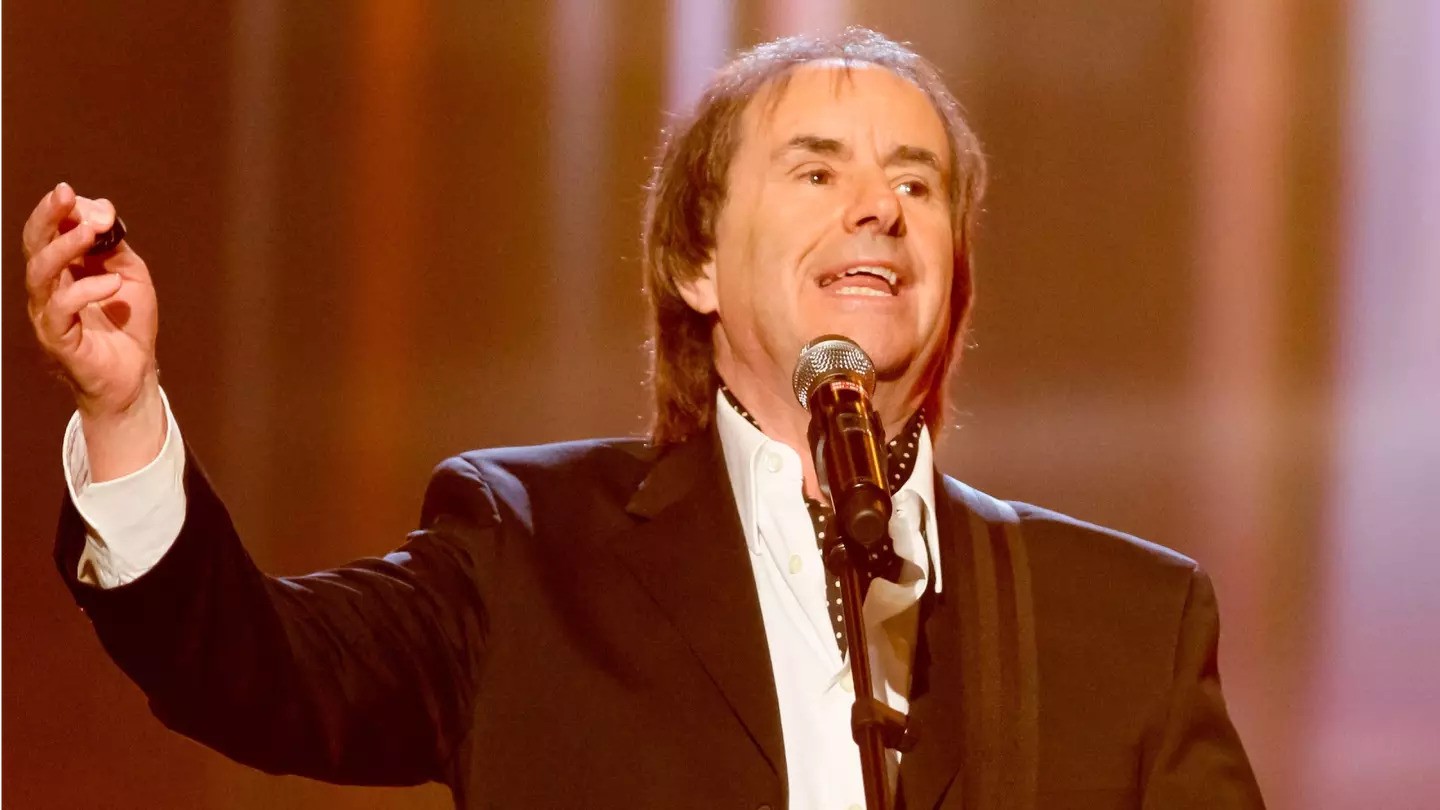
Chris de Burgh is one of those artists whose career proves that longevity can be just as powerful as chart-topping fame. His music has traveled across decades, borders, and generations, building a loyal global audience that continues to support his work long after his biggest hits first appeared. While many artists enjoy brief moments of massive success, Chris de Burgh built something far more sustainable, a career rooted in storytelling, songwriting, and consistency. That’s why interest in Chris de Burgh net worth remains strong, even years after his most commercially dominant period.
Unlike modern pop stars whose income often spikes and dips rapidly, his wealth has grown steadily through album sales, world tours, and especially songwriting royalties. His financial story is less about sudden fame and more about endurance, smart decisions, and a catalog of music that continues to generate income quietly year after year.
Who Is Chris de Burgh?
Chris de Burgh was born in Argentina and later raised in Ireland, giving him an international perspective that would eventually shape his global appeal. From an early age, music played a central role in his life. He developed an interest in songwriting that leaned heavily on narrative and emotion rather than trends or commercial formulas.
His style blends folk, pop, and soft rock, with a strong emphasis on lyrics. This approach allowed him to connect deeply with listeners, especially those drawn to music that tells stories rather than simply chasing radio-friendly hooks. Over time, this identity became one of his greatest strengths.
Early Years and Musical Direction
In the early stages of his career, Chris de Burgh faced the same challenges as many aspiring musicians. Record deals were hard to secure, and early releases didn’t immediately generate major financial success. However, he remained committed to his sound, choosing artistic integrity over quick commercial shifts.
This decision delayed large paychecks but laid the groundwork for a career that would eventually prove far more lucrative in the long run.
Early Career and First Album Releases
Chris de Burgh released several albums in the early part of his career that received modest attention. Financially, these projects did not bring immediate wealth. Sales were limited, and touring often meant smaller venues with tight budgets.
Despite this, each release expanded his audience. More importantly, it added to his growing catalog, an asset that would later become central to his net worth.
Building Momentum Slowly
Instead of relying on one market, Chris de Burgh built his fan base country by country. Touring Europe and beyond helped establish a loyal following, even when radio play was limited. These early tours were less about profit and more about visibility.
From a financial perspective, this period was about investment rather than return.
Breakthrough Success and Global Recognition
The turning point came when Chris de Burgh released music that resonated on a much larger scale. Certain albums and songs achieved international success, bringing him mainstream recognition and dramatically increasing his earning potential.
This breakthrough changed everything financially. Album sales surged, tour sizes expanded, and licensing opportunities followed. Once an artist reaches this level, income begins flowing from multiple directions simultaneously.
The Impact of Signature Songs
Signature songs play a crucial role in Chris de Burgh net worth. Timeless tracks continue earning money long after their release through:
- Radio airplay
- Streaming platforms
- Covers by other artists
- Licensing for films and television
These revenue streams operate quietly but consistently, adding up significantly over decades.
Chris de Burgh Net Worth
As of recent estimates, Chris de Burgh net worth is believed to fall between $25 million and $30 million. This figure reflects decades of steady earnings rather than explosive annual income.
It’s important to understand that net worth represents accumulated value. While he may not earn headline-making sums each year, the combined effect of catalog sales, touring, and royalties has built substantial wealth over time.
How Musician Net Worth Is Calculated
For an artist like Chris de Burgh, net worth typically includes:
- Album and digital sales
- Touring income
- Songwriting and publishing royalties
- Licensing fees
- Personal assets and investments
Because much of this income is ongoing, especially royalties, wealth continues to grow even during quieter years.
Album Sales and Recording Revenue
Album sales were once the primary driver of income for musicians, and Chris de Burgh benefited greatly during the peak years of physical record sales. His albums sold millions of copies worldwide, particularly in Europe and other international markets.
Even today, his back catalog continues to generate income through:
- Digital downloads
- Streaming services
- Compilation albums and re-releases
Back Catalog Power
A strong back catalog is one of the most valuable assets a musician can own. Older albums often experience renewed interest as new generations discover the music. For legacy artists, this creates a steady revenue stream that doesn’t require new releases.
Chris de Burgh’s extensive catalog ensures that album-related income remains a consistent contributor to his net worth.
Touring Income and Live Performances
Touring has always been a major component of Chris de Burgh’s earnings. Live performances allow artists to connect directly with fans while generating immediate revenue from ticket sales.
Unlike newer artists who rely heavily on streaming, legacy musicians often earn a significant portion of their income from touring.
Touring Later in a Career
As artists age, touring strategies evolve. Chris de Burgh has continued performing in theaters and concert halls rather than massive stadiums. While ticket prices may be lower than large-scale pop tours, overhead costs are also reduced, keeping tours profitable.
Fan loyalty plays a huge role here. Audiences who have followed his music for decades are willing to attend live shows repeatedly, creating reliable income.
Songwriting and Publishing Royalties
Songwriting is arguably the most important factor in Chris de Burgh net worth. As a songwriter, he earns publishing royalties whenever his songs are played, streamed, or licensed.
Unlike touring, songwriting income does not require physical effort. Once a song is written and recorded, it can generate revenue indefinitely.
Long-Term Royalty Streams
Publishing royalties come from multiple sources:
- Radio and public performances
- Streaming platforms
- Licensed use in media
- Cover versions by other artists
These royalties often continue long after an artist stops touring, making songwriting one of the most valuable long-term income sources in music.
Licensing, Covers, and Media Use
Chris de Burgh’s music has been used in films, television shows, and other media, further expanding his income. Licensing deals can be particularly lucrative, especially when songs are featured prominently.
Additionally, when other artists cover his songs, he earns a portion of the revenue as the songwriter. These covers introduce his work to new audiences while reinforcing his financial foundation.
Business Decisions and Financial Management
One reason Chris de Burgh has maintained financial stability is his cautious approach to business. Rather than chasing trends or overextending himself, he focused on consistency and ownership.
Maintaining control over songwriting and publishing rights allowed him to retain a larger share of earnings. This approach may not deliver instant wealth, but it significantly boosts long-term net worth.
Lifestyle, Assets, and Personal Choices
Chris de Burgh is not known for an extravagant lifestyle. His public image reflects balance rather than excess. This matters financially, because controlled spending allows wealth to accumulate and endure.
Assets such as property, investments, and intellectual property form the backbone of his financial security. Lifestyle moderation has helped preserve his net worth over time.
Awards, Recognition, and Industry Respect
While awards don’t directly increase net worth, they enhance credibility. Recognition from the music industry reinforces an artist’s legacy, making their work more attractive for licensing and reissues.
Respect within the industry also leads to continued opportunities, from special performances to collaborations.
Comparing Chris de Burgh’s Net Worth to Other Legacy Artists
Compared to pop stars whose wealth often depends on constant touring and new hits, singer-songwriters like Chris de Burgh benefit from longevity. Songwriting-driven careers tend to age better financially because royalties continue regardless of current trends.
This difference explains why many legacy artists maintain stable net worths long after mainstream attention fades.
Challenges, Career Plateaus, and Industry Changes
The music industry has changed dramatically over the decades. Shifts from physical sales to streaming reduced income for many artists. However, those with strong catalogs and songwriting credits adapted more successfully.
Chris de Burgh’s ability to remain relevant without chasing trends protected his income during industry transitions.
Why Chris de Burgh’s Net Worth Still Grows Today
Even now, his music continues to generate revenue through streaming platforms, radio play, and licensing. Occasional tours and special performances add to his income, while songwriting royalties provide a steady baseline.
New listeners discovering his work keep the cycle going, proving that well-crafted music can remain profitable indefinitely.
What His Career Teaches About Long-Term Music Wealth
Chris de Burgh’s financial journey highlights the power of patience, songwriting, and ownership. Instead of relying on short bursts of fame, he built a catalog that works for him year after year.
His net worth is not the result of flashy deals or trends, but of decades spent writing songs that continue to resonate. In an industry known for instability, his career stands as a clear example of how longevity and creative control can quietly lead to lasting wealth.