



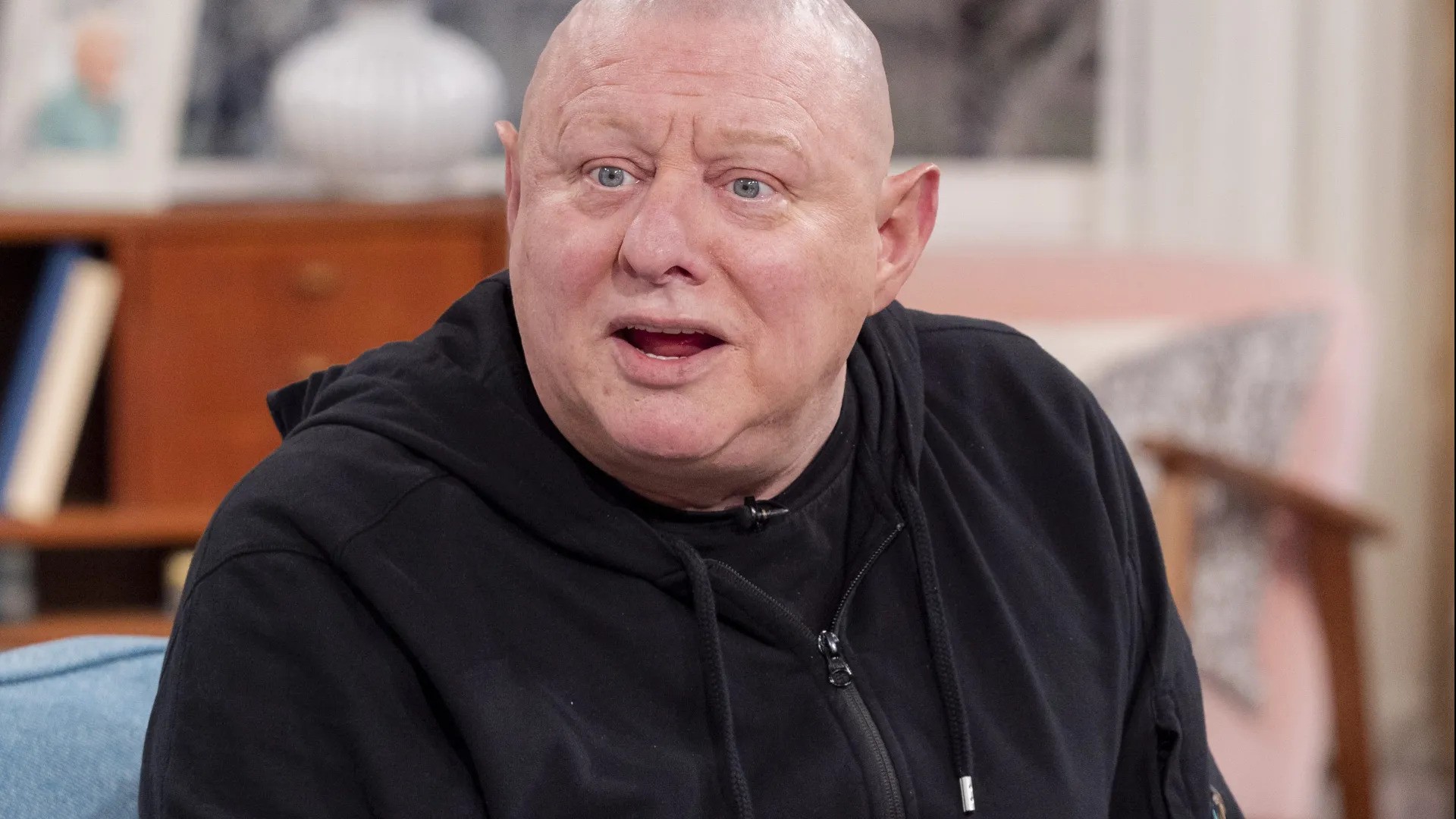
Few figures in British music have lived a career as chaotic, influential, and unpredictable as Shaun Ryder. As the voice and lyricist behind Happy Mondays, he helped define the Madchester era and reshape UK alternative music. At the same time, his story is often told through excess, instability, and reinvention. That mix of success and struggle is exactly why so many people remain curious about Shaun Ryder’s net worth.
Unlike artists whose wealth steadily climbs with chart positions and polished branding, Ryder’s financial journey has been uneven. Money came quickly, disappeared just as fast, and later returned in different forms. His net worth reflects not just hits and tours, but comebacks, television work, royalties, and a career that survived when many expected it not to.
Who Is Shaun Ryder
To understand Shaun Ryder’s finances, it’s impossible to separate the money from the man himself. His personality, background, and creative instincts shaped every stage of his career.
Early Life and Background
Shaun Ryder grew up in Greater Manchester, an area that would later become central to his identity and sound. The city’s working-class culture, combined with the explosion of alternative music in the late 1980s, heavily influenced his worldview and songwriting. Music was not initially about wealth or fame. It was about expression, rebellion, and capturing the reality of life as he saw it.
Manchester at that time was raw, energetic, and changing fast. Ryder absorbed those surroundings and translated them into lyrics that felt unfiltered and immediate. That authenticity became his trademark.
Early Personality and Creative Style
Ryder was never a technically polished singer. His strength lay in phrasing, rhythm, and storytelling. He delivered lyrics in a way that felt conversational and unpredictable, which made his songs feel alive. This approach connected strongly with audiences who were tired of overly produced pop and rock music.
From a financial perspective, this authenticity helped build a loyal fanbase, even if it sometimes worked against commercial discipline.
Shaun Ryder Net Worth
Interest in Shaun Ryder net worth often comes with a sense of disbelief. How does someone so influential, yet so openly chaotic, end up financially?
Estimated Shaun Ryder Net Worth
Most estimates place Shaun Ryder’s net worth in the range of £3 million to £5 million. Some figures suggest slightly lower or higher amounts depending on how royalties, television income, and publishing rights are valued.
What makes Ryder’s net worth unusual is how much it has fluctuated over time. Unlike artists whose wealth grows steadily, his financial story includes sharp rises, dramatic falls, and gradual rebuilding.
How Net Worth Is Calculated for Musicians Like Ryder
For musicians with long careers and multiple phases, net worth typically includes:
- Album sales and streaming royalties
- Songwriting and publishing income
- Touring and live performance earnings
- Television appearance fees
- Book advances and media work
- Long-term royalties from classic tracks
In Ryder’s case, money earned and money lost are both part of the calculation.
Formation of Happy Mondays and Early Success
The creation of Happy Mondays marked the first major financial turning point in Ryder’s life.
The Birth of Happy Mondays
Happy Mondays formed in Manchester during a period when the city’s music scene was exploding. Early gigs were small, chaotic, and poorly paid, but they built a devoted following. At this stage, income was minimal, and money earned from performances was often spent immediately.
The band’s reputation grew faster than their financial discipline.
Breakthrough and Commercial Recognition
As Happy Mondays gained attention, record deals and album releases followed. Suddenly, money started coming in through advances, sales, and touring. For a band rooted in underground culture, this was an unfamiliar experience.
The lack of financial structure meant that earnings were rarely managed carefully. Money flowed freely, often without planning for the future.
Peak Fame and Financial Highs
Happy Mondays’ peak years brought the largest paydays of Ryder’s career.
Major Albums, Tours, and Royalties
Albums released during this period became defining works of the Madchester movement. Tours expanded beyond the UK, and festival bookings increased. Income came from multiple directions at once.
For the first time, Ryder experienced sustained financial success.
The Impact of Sudden Wealth
Sudden wealth without guidance can be dangerous. Ryder has openly spoken about how money disappeared as quickly as it arrived. Recording budgets were blown, tours became expensive, and lifestyle costs spiraled.
These choices didn’t just affect personal finances. They affected the band’s ability to sustain long-term profitability.
Financial Struggles and Well-Documented Setbacks
The same period that brought success also planted the seeds of financial trouble.
Substance Abuse and Career Disruption
Substance abuse disrupted productivity and reliability. Tours were canceled or underperformed, and recording sessions became chaotic. These disruptions directly impacted income.
Opportunities that could have extended peak earnings were missed or mishandled.
Record Label Issues and Lost Revenue
Record labels invested heavily in Happy Mondays, sometimes without proper oversight. Albums cost more to produce than they earned, leaving little profit despite strong sales.
Financial mismanagement meant that even successful projects didn’t always translate into lasting wealth.
Reinvention With Black Grape
After Happy Mondays collapsed, Ryder faced a choice: fade away or start again.
Starting Over With a New Band
Black Grape represented a creative and financial reset. The band allowed Ryder to move forward without the baggage of his previous group. New music brought renewed interest and credibility.
This phase marked the beginning of rebuilding.
Financial Impact of Black Grape
Black Grape generated fresh income through albums and touring. While it didn’t reach the same cultural heights as Happy Mondays, it provided stability and a second chance at financial control.
Importantly, Ryder was older and more aware of the consequences of excess.
Happy Mondays Reunions and Legacy Income
Reunions became one of Ryder’s most reliable income sources.
Reunion Tours and Festivals
Happy Mondays reunion tours tapped into nostalgia, drawing large crowds willing to pay premium ticket prices. Reunion tours are often highly profitable because demand is strong and production costs are predictable.
These tours significantly boosted Ryder’s income later in life.
Ongoing Royalties From Classic Songs
Classic songs continue to generate income through streaming, licensing, and media use. Even decades later, these tracks remain culturally relevant.
Royalties provide passive income that doesn’t depend on constant touring.
Television Career and Mainstream Exposure
Television introduced Ryder to a new audience and a new revenue stream.
Reality TV and Entertainment Shows
Ryder appeared on several reality and entertainment programs, showing a different side of his personality. These appearances came with appearance fees and renewed public interest.
Television income offered stability that music alone couldn’t always provide.
Financial Value of Television Work
TV appearances often pay well relative to time invested. For Ryder, television became a way to earn consistently without the physical and emotional toll of touring.
This income stream helped balance his finances in later years.
Writing, Publishing, and Media Work
Ryder’s story itself became an asset.
Autobiographies and Books
Autobiographical books brought advances and royalties. Fans were eager to hear his story in his own words, and publishing offered income independent of music performance.
Books also strengthened his cultural legacy.
Interviews, Documentaries, and Commentary
Ryder became a sought-after voice for documentaries and interviews about British music history. Paid media appearances added to his earnings while reinforcing his status as a cultural figure.
Lifestyle, Spending, and Financial Management
How Ryder handled money changed significantly over time.
Living With Fame and Its Costs
During peak years, spending was uncontrolled. Fame brought access to excess, and money was rarely saved. This period heavily influenced public perceptions of his finances.
Changes in Financial Habits Over Time
Later in life, Ryder adopted more disciplined habits. Stability became more important than indulgence. This shift allowed income from reunions, TV, and royalties to accumulate rather than vanish.
Health, Recovery, and Career Stability
Personal stability had a direct impact on financial stability.
Impact of Recovery on Career
Improved health allowed Ryder to work more reliably. Tours became manageable, and commitments were honored.
Reliability restored trust within the industry.
How Stability Affected Income
With consistency came predictable earnings. Long-term planning became possible for the first time in years.
Comparison With Other Madchester-Era Artists
Comparing Ryder with peers highlights how unique his financial story is.
Some Madchester-era artists retained wealth through cautious management. Others disappeared entirely. Ryder’s path sits somewhere in between, marked by loss, survival, and return.
His influence often outweighed his bank balance during certain periods, but longevity ultimately brought financial reward.
Net Worth Growth Over the Years
Ryder’s net worth has moved in phases rather than a straight line.
Early Career vs Peak Years
Early years brought little money. Peak years brought a flood of cash without structure.
Decline, Reset, and Recovery
Financial decline followed excess. Recovery came slowly through reinvention, reunions, and diversification.
Recent Years and Ongoing Income
Today, Ryder’s income comes from a mix of royalties, television work, books, and selective performances. It’s more balanced than ever before.
What Makes Shaun Ryder’s Financial Story Different
Shaun Ryder’s net worth isn’t a simple success story. It’s a reflection of influence, chaos, and endurance. He earned millions, lost large portions of it, and found ways to rebuild without compromising who he was creatively.
His financial journey mirrors his music: messy, honest, and unpredictable. In the end, his wealth reflects not just money earned, but a career that survived when many thought it wouldn’t, proving that longevity, even after failure, can still pay off.