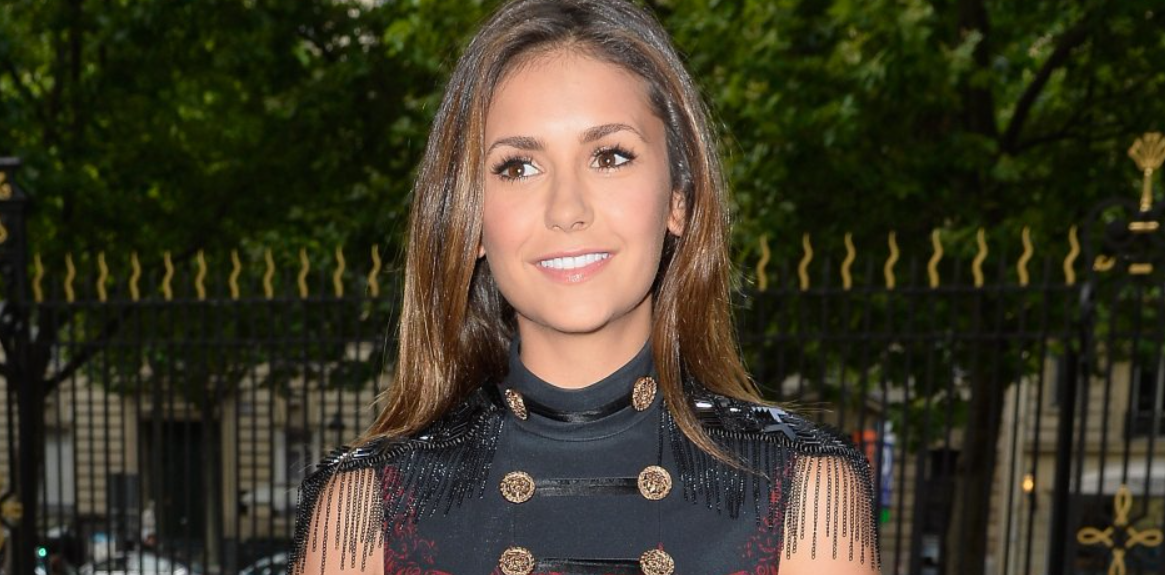
Nina Dobrev has one of those careers that looks “obvious” from the outside—famous show, red carpets, big-name friends, glossy brand campaigns—but the money story behind it is usually a lot more layered than people assume. When someone searches her net worth, they’re rarely just curious about a number. They’re trying to figure out how a TV star turns fame into real wealth that lasts: the kind built from consistent work, smart choices, and a strong personal brand that keeps paying even when she’s not on set every day.
The truth is, celebrity net worth estimates swing all over the place. That’s not because everyone is lying—it’s because most of the real details (contracts, taxes, investments, deals) aren’t public. So instead of pretending there’s one perfect figure carved into stone, this article breaks down the more useful question: where Nina Dobrev’s money realistically comes from—acting, endorsements, and business moves that compound over time.
Who Is Nina Dobrev
Nina Dobrev is best known as an actress who became globally recognizable through mainstream TV, then transitioned into a broader celebrity lane: films, fashion and beauty presence, major events, and brand partnerships that look less like “one-off ads” and more like a long-term strategy. Even if you haven’t followed her work closely, chances are you’ve seen her face on social media, in entertainment coverage, or tied to campaigns that lean into lifestyle, wellness, and style.
Her popularity isn’t just about a single role—it’s the combination of:
- A breakout that created a dedicated fan base
- Consistency in staying visible without feeling overexposed
- A clean, brand-friendly image that companies like to attach themselves to
- A modern celebrity toolkit (social media, partnerships, collaborations)
That mix matters, because net worth isn’t only built by “being famous.” It’s built by converting attention into income streams—and doing it repeatedly over years.
The breakout moment that changes the price tag
A major hit show often becomes the financial foundation for an actor, especially if it runs long enough to allow pay raises and stronger negotiating power. Once an actor becomes a household name, their value goes up in a very practical way:
- They can command higher acting fees.
- They get better roles and more selective offers.
- They become more attractive to brands (and brands often pay fast).
- They gain leverage: better representation, better deal structures, better terms.
That’s where the real shift happens—not just fame, but earning power.
Nina Dobrev Net Worth
If you’re looking for one neat number, you’ll find a range online—and that range exists for a reason. Celebrity net worth is almost always an estimate based on public career milestones, reported deals, lifestyle clues, and industry norms. The smarter way to understand Nina Dobrev’s net worth is to look at the three pillars that typically drive it:
- Acting income (TV, film, streaming projects, and any ongoing payments tied to older work)
- Brand deals (endorsements, ambassador partnerships, sponsored campaigns)
- Business and long-term plays (equity, collaborations, ownership stakes, investments, and anything that pays beyond a single paycheck)
A realistic range, not one magic number
Net worth coverage tends to get messy because it’s not the same as salary. Two people can earn the same amount and end up with totally different net worth outcomes depending on taxes, spending habits, investments, and how they structure deals. Someone can also have a high net worth on paper (assets and investments) while keeping day-to-day cash relatively conservative.
What’s “realistic” is that Nina Dobrev’s net worth is built from years of high-visibility work, followed by repeatable brand partnerships and career longevity. The exact figure may be debated, but the foundation behind it isn’t mysterious when you zoom out.
What net worth actually means (without the boring explanation)
Net worth is simply the total value of what someone owns minus what they owe. For celebrities, that typically includes:
- Career earnings from TV and film
- Brand partnership income (which can be huge)
- Assets like property
- Investments (stocks, funds, private investments, and sometimes business equity)
- Ongoing income streams (royalties, licensing, residuals—depending on the situation)
- Costs that don’t show up in the headlines (team fees, taxes, overhead)
A lot of people focus only on the income side. But wealth is often created in the quieter parts: what you keep, how you invest, and what you own.
The Acting Money: Where the Biggest Checks Usually Come From
Acting is usually the backbone of a celebrity’s early net worth story. Even if brand deals later become a massive slice of income, acting is what builds the reputation that makes those deals possible.
TV paydays and long-running show money
A successful TV run can be financially powerful for a few reasons. First, TV work is consistent. You’re often paid per episode, and if the show performs well, that can grow season after season. Second, a long run usually raises an actor’s “industry value,” which then increases future pay.
The TV structure tends to include:
- Episode pay (the headline number people talk about)
- Contract terms that can improve with renewals
- Negotiated increases once the show proves it can carry an audience
- Sometimes bonuses or backend elements (depending on role, timing, and leverage)
Even if we never see the exact contracts, it’s easy to understand why a hit series can create a strong wealth base: it’s steady, high-profile, and often multi-year.
Film and streaming projects: uneven, but meaningful
Movies and streaming projects can swing wildly. One role might pay modestly but elevate an actor’s profile; another might pay better but require months of travel and time away from other income opportunities.
Film and streaming income often depends on:
- Budget level of the project
- The size of the role
- The actor’s current market position
- Negotiation strategy (upfront pay vs. performance-based incentives)
This is why you can’t judge a celebrity’s money story by credits alone. Two films on a résumé could represent very different financial realities.
Residuals and the “quiet money” factor
People love the idea of residuals being a never-ending fountain of cash. The reality varies. Some residual payments can be meaningful; some are smaller than fans assume. But what matters is the long-term effect: even modest recurring payments add stability, and stability supports wealth-building.
When older work stays culturally relevant, it keeps the celebrity’s visibility alive too—creating a secondary benefit: more opportunities for partnerships, appearances, and higher fees later.
Brand Deals & Endorsements: Why This Can Rival Acting Income
Once someone becomes widely recognizable, endorsements can turn into a major engine—sometimes even surpassing acting income in certain years. Brands aren’t only paying for fame. They’re paying for trust, reach, and the ability to influence buying decisions.
What brands actually pay for
A strong celebrity partnership is a marketing shortcut for companies. Instead of building trust from scratch, they borrow it. Nina Dobrev fits a profile that brands tend to like:
- Broad appeal
- Strong lifestyle and fashion presence
- A public image that feels “safe” for mainstream campaigns
- Consistent engagement with fans online
In the brand world, this isn’t just “posting a photo.” It’s positioning. It’s identity. It’s the ability to match a product to a person’s vibe in a way that looks natural.
Common formats of celebrity brand work
Brand deals come in different shapes, and the structure matters because it affects how much someone can earn and how consistent it is.
- Sponsored posts (one-off campaigns, sometimes bundled)
- Ambassador contracts (multi-month or yearly deals)
- Event and appearance partnerships (paid attendance, hosting, collaborations)
- Product collaborations (limited-edition drops, co-branded items)
- Licensing and long-term usage rights (a quieter but valuable piece)
Longer contracts tend to be more stable and often more lucrative because brands want exclusivity or consistency. That kind of partnership can create predictable income, which is exactly what helps wealth grow.
Why endorsements can build wealth faster than acting
Acting is time-intensive. A show or film takes months and can block other opportunities. Brand deals, on the other hand, can be structured more efficiently—especially if a celebrity already has a strong social media pipeline.
A few well-placed campaigns a year can add up quickly, particularly when the celebrity’s image matches the brand’s market and audience.
Business & Entrepreneurship: The Part Most People Miss
Here’s where the net worth story gets more interesting. The biggest difference between “earning money” and “building wealth” often comes down to ownership.
Promoting vs. owning: not the same game
When a celebrity posts an ad, they’re usually paid a fee. That’s income.
When a celebrity has equity in a company, or a profit share, or a stake in a product line, they can earn beyond a single payday. That’s wealth-building.
Even if the public never sees the full details, many modern celebrities aim for:
- Ownership stakes in brands they align with
- Long-term collaborations that include revenue share
- Investment opportunities that grow as companies scale
That’s how money starts to compound rather than reset every time you take a new job.
How business income typically shows up
Business income can come through different channels, and it doesn’t always look glamorous—but it can be powerful:
- Profit distributions
- Dividends
- Equity growth (value increasing over time)
- Licensing and recurring partnership revenue
- Strategic collaborations tied to long-term royalties
A celebrity with good brand strategy doesn’t just “take deals.” They build a portfolio of partnerships and assets that supports their lifestyle long-term.
The Personal Brand Factor: Why “Image” Is a Financial Asset
People roll their eyes at the phrase “personal brand,” but in celebrity economics, it’s real. Your image affects what you can earn, what you can charge, and what kinds of companies will work with you.
Nina Dobrev’s public identity has stayed fairly consistent: stylish, upbeat, globally recognizable, and not constantly surrounded by controversy. That’s valuable because brands prefer stability. Stability creates repeat contracts. Repeat contracts create long-term income.
A strong personal brand also supports:
- Higher appearance fees
- Better partnership terms
- More selective role choices
- Increased negotiation power
In a way, visibility itself becomes an asset—especially when it’s managed carefully.
Lifestyle, Overhead, and the Reality Behind Celebrity Wealth
This is the part net worth articles often skip, but it matters. High income doesn’t automatically mean high net worth. A lot of money can leave the door before it ever turns into long-term wealth.
Why people overestimate celebrity cash
Celebrities often have high expenses tied directly to staying “public.” Not all of it is optional. A polished image requires a whole ecosystem.
Common overhead includes:
- Agent and manager commissions
- Public relations support
- Legal and accounting teams
- Travel costs (work and appearances)
- Styling, glam, wardrobe (often partially covered, sometimes not)
- Security and privacy-related expenses in certain situations
Then there’s taxes, which can be significant depending on where income is earned and how it’s structured.
The headline income number is rarely the “keep” number.
Assets that help money last
The reason many high earners shift into assets is simple: assets can preserve wealth and sometimes grow it. While we can’t see every detail of any celebrity’s portfolio, the typical strategy includes:
- Property (real estate as stability and long-term value)
- Diversified investments (funds, stocks, long-term holdings)
- Private investments (higher risk, higher reward)
- Business equity (ownership positions that can scale)
This is usually how celebrity money stops being “project-to-project” and becomes “portfolio-based.”
Career Longevity: The Hidden Engine Behind Net Worth
One-hit fame can be loud, but it’s rarely the best wealth builder. Longevity is the quiet engine that makes everything else easier: consistent income, stronger partnerships, better roles, and a more stable public profile.
Staying relevant after the “big show”
Many actors struggle after a breakout role because audiences lock them into that character. If a celebrity remains visible and flexible—taking different types of work, staying connected with fans, and making smart public moves—earning power stays alive.
Longevity supports net worth because it creates:
- Continued opportunities
- Increased fees over time
- Greater leverage in negotiations
- Stronger personal brand value
The compounding effect of recognition
Recognition works like a multiplier. When people instantly know who you are, your “cost of marketing yourself” drops. You don’t need to convince the public you matter. Brands and studios already know you can attract attention.
That reduces friction—and in business terms, reducing friction often increases profit.
What Could Move Her Net Worth Up or Down in the Next Few Years
Net worth isn’t static. Even for celebrities, it shifts based on career rhythm, deal quality, investment performance, and personal choices.
Upside factors that can increase net worth
- A high-paying return to TV or a successful streaming series
- Large ambassador partnerships that renew year after year
- A strong product collaboration that becomes recurring
- Investments that perform well over time
- Owning a stake in something that grows in value
If you’re watching celebrity wealth patterns, ownership plus consistent brand partnerships is often where the “jump” happens.
Downside factors that can slow growth
- Long gaps between acting projects
- Brand overexposure (too many ads can reduce value)
- High overhead and lifestyle inflation
- Risky investments that don’t pay off
- Market changes that affect endorsements and entertainment budgets
None of these are dramatic, scandal-heavy ideas. They’re just the normal levers that push a net worth estimate up or down over time.
Quick Snapshot Breakdown for the People Who Scroll Fast
If you only remember a few things about Nina Dobrev’s net worth story, make it these:
- Acting built the foundation: visibility, credibility, and career earnings.
- Brand deals likely became a major multiplier: efficient income tied to reach and engagement.
- Business and long-term strategy are what can turn fame into wealth that lasts.
- Assets and investments are how money is typically protected and grown behind the scenes.
And that’s the real takeaway: Nina Dobrev’s net worth isn’t just “what she got paid once.” It’s the result of a long career built on smart positioning, consistent public relevance, and multiple income streams working together—acting checks, brand partnerships, and business moves that can keep paying long after the cameras stop rolling.