


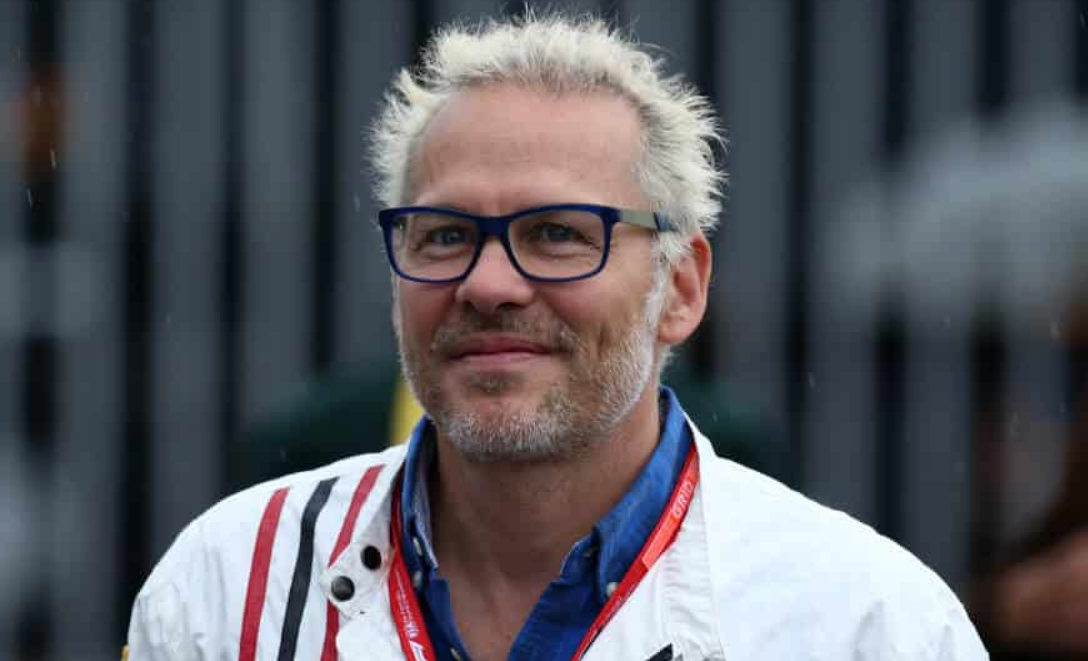
Jacques Villeneuve occupies a unique place in motorsport history. The son of the legendary Gilles Villeneuve, one of Formula 1’s most beloved figures who died in a crash in 1982, Jacques grew up in the shadow of an almost mythological father. He went on to carve out his own remarkable racing career, winning the Indianapolis 500 in 1995 and the Formula 1 World Drivers’ Championship in 1997. So what has all of that translated to financially?
What Is Jacques Villeneuve’s Net Worth?
Jacques Villeneuve’s net worth is estimated at approximately $50 to $60 million. This figure encompasses his earnings from a career spanning Formula 1, Champ Car, NASCAR, sportscars, and various other motorsport disciplines, combined with endorsements, his activities in the music industry (yes, he released albums), and subsequent business ventures including his involvement in racing team ownership and consulting work within the motorsport world.
Canadian athletes and sportspeople of Villeneuve’s stature don’t always attract the same level of financial scrutiny as their counterparts in American professional sports, but his career at the top level of global motorsport — including the most commercially significant period of Formula 1 in the late 1990s — was undoubtedly lucrative.
A Racing Dynasty: Growing Up Villeneuve
To understand Jacques Villeneuve’s financial story, it helps to understand where he came from. His father Gilles Villeneuve was not just a Formula 1 driver but a genuine folk hero in Canada — particularly in Quebec — whose attacking, wheel-to-wheel style made him one of the sport’s most magnetic figures before his death during qualifying for the 1982 Belgian Grand Prix. Growing up with that name was both a gift and an enormous weight.
Jacques spent much of his childhood in Monaco, the tax haven and spiritual home of Formula 1 wealth, where his family lived during his father’s racing career. After Gilles’ death, the family returned to Canada. Jacques began his own racing career in Italian Formula 3 and Formula Atlantic before crossing to the United States, where he would first make his name on the Champ Car series.
CART Success and the Indianapolis 500
Villeneuve’s American career was built on genuine speed and racecraft. In 1995, driving for the Team Green operation, he won both the CART IndyCar championship and the Indianapolis 500. Winning the Indy 500 — one of the three great motor races in the world, alongside the Monaco Grand Prix and the Le Mans 24 Hours — is a defining achievement for any racing driver. It comes with significant prize money, massive commercial exposure, and an enduring place in motorsport history.
Prize money at the Indy 500 has historically been substantial — the winner’s share in 1995 was well over $1 million, with total prize funds reaching into the multi-millions. Beyond the cheque, the commercial value of being an Indy 500 winner for sponsorship and endorsement purposes is enormous. Villeneuve’s Canadian identity, combined with his famous surname and his own on-track success, made him a highly marketable figure for sponsors on both sides of the Atlantic.
The World Championship and the Williams Years
Villeneuve’s move to Formula 1 with Williams-Renault in 1996 was seamlessly successful. He came within an ace of the World Championship in his debut season, finishing second to Damon Hill by a single race. The following year, 1997, driving for Williams once again (now with Renault engines replaced by Mecachrome), he fought an extraordinary season-long battle with Michael Schumacher. The championship was decided controversially in the final race at Jerez, when Schumacher attempted to run Villeneuve off the road in a move that earned Schumacher disqualification from the Drivers’ Championship. Villeneuve took the title.
World Championship-winning drivers at a top Formula 1 team in the late 1990s could expect annual salaries in the range of $10 to $20 million. Williams were one of the premier constructors of the era — multi-time champions who attracted substantial sponsorship money from blue-chip brands. Villeneuve’s salary from his Williams years alone represented a significant accumulation of wealth, compounded by personal sponsorship deals and appearance fees that came with being the reigning world champion.
The BAR Years and Beyond
After leaving Williams following the 1998 season, Villeneuve was one of the founding drivers for British American Racing (BAR), a new constructor backed by British American Tobacco. While the team never matched the heights of his Williams years, BAR grew into a competitive outfit through the early 2000s, and Villeneuve remained on strong salaries throughout his tenure there. He stayed with the team until 2003 before a parting of ways that generated considerable controversy and a legal dispute over his contractual rights.
His later career included spells with Renault, Sauber, and brief outings in NASCAR and various other championships. The earnings from these later years were lower than his peak Williams period, but they extended his career and maintained his profile in the sport.
Music and the Unconventional Side of Jacques Villeneuve
One of the more genuinely surprising aspects of Villeneuve’s career is his parallel life as a musician. He has released albums under the name “Jacques” and has spoken seriously about his passion for music. While his recording career has not generated significant commercial income — music is notoriously difficult to monetise at a high level unless you’re a major act — it speaks to a genuine creative ambition that goes beyond racing.
In terms of net worth, music represents a marginal contributor compared to his racing earnings, but it adds a dimension to his public profile and keeps his name in circulation in ways that support his broader commercial value.
Business Ventures and Post-Racing Life
In the years since stepping back from top-level racing, Villeneuve has been involved in various business and motorsport ventures. He has worked as a media pundit and commentator, appeared at historic racing events, and consulted within the motorsport industry. He was involved in the creation of a junior racing series in Canada designed to develop Canadian talent — reflecting both his patriotism and his understanding of how racing talent pipelines work.
Real estate is another component of his wealth profile. Having lived in Monaco during his racing career — the low-tax jurisdiction preferred by most Formula 1 drivers — and maintaining connections to Canada, his property holdings would reflect the kind of prudent wealth management typical of high-earning athletes who plan carefully during their peak earning years.
The Villeneuve Name: A Legacy That Compounds
There is also a less tangible but very real financial asset in Jacques Villeneuve’s portfolio: the family name. In Quebec and across Canada, the Villeneuve name is associated with motorsport heroism in a way that few sporting dynasties can match. Jacques’ father is still revered, and Jacques himself is a World Champion. This generates ongoing commercial opportunities — speaking engagements, brand partnerships, appearances at motorsport events — that continue to provide income and maintain his market value long after his competitive driving days have largely passed.
He remains one of the most recognisable faces in the global motorsport community, a commentator and personality whose views on Formula 1 attract genuine attention. In an era when the sport has experienced a massive commercial resurgence — partly driven by the Netflix documentary series Drive to Survive — veteran champions with compelling stories like Villeneuve’s have found renewed relevance with a younger generation of fans.
Jacques Villeneuve’s net worth, then, is the product of a career at the very top of global motorsport, managed through a combination of talent, marketability, and a degree of financial prudence that has allowed the substantial earnings of his peak years to compound into a genuinely comfortable fortune. The son of a legend, he became a legend himself — and the financial rewards have reflected that.
Motorsport’s Commercial Evolution and Villeneuve’s Timing
One of the more interesting financial dimensions of Villeneuve’s career is how it intersected with the commercial evolution of Formula 1. His World Championship in 1997 came at a moment when the sport was becoming a truly global media property — broadcast deals were expanding internationally, sponsorship spend was growing rapidly, and the driver as celebrity was becoming an increasingly bankable concept. Being the reigning World Champion in this era was a more commercially valuable position than it might have been a decade earlier.
The 1990s Formula 1 landscape was dominated by a handful of major constructors — Williams, McLaren, Ferrari — and their commercial partners invested heavily in the sport’s global audience. A Williams-sponsored driver at that time would typically have personal sponsorship deals layered on top of his team salary, with brands wanting to associate with the sport through its most visible ambassadors. Villeneuve, as champion, was exactly the kind of figure they were targeting.
The Canadian Context: Sporting Hero at Home
In Canada — particularly Quebec — Villeneuve’s commercial value has always operated on a different scale than in most markets. His father’s near-mythological status in French Canada meant that Jacques arrived with a built-in audience of extraordinary emotional intensity. Winning major races in a sport that French Canadians had historically associated with Gilles Villeneuve was not merely a sporting achievement; it was a cultural event. This made Villeneuve a uniquely powerful commercial figure for brands targeting Canadian consumers.
Canadian endorsement deals, speaking engagements, and promotional appearances have been a consistent supplementary income stream throughout his career. His ability to attract corporate interest in Canada at rates above what his purely sporting profile might otherwise justify reflects the depth of his cultural significance in his home market — a factor that has meaningfully boosted his lifetime earnings from commercial activities alongside his driving fees.
Investment Strategy and Long-Term Wealth Preservation
Successful racing drivers who earn significant money during their competitive careers face the same wealth management challenges as any high earner in a relatively short-career profession: how to translate peak earnings into long-term financial security. The discipline of managing significant wealth, investing productively, and avoiding the dissipation of earnings through poor financial decisions is something that not all athletes navigate successfully.
Villeneuve’s continued commercial activity in the decades since his peak driving career — through media work, motorsport consulting, and various business engagements — suggests someone who has remained financially active rather than simply living off accumulated capital. This ongoing engagement with income-generating activities, combined with a presumably prudent approach to investment during his high-earning years, points toward the kind of sustained wealth management that preserves and grows a fortune over the long term rather than simply spending it down.
Global Resurgence and Villeneuve’s Renewed Visibility
The Netflix series Drive to Survive has introduced Formula 1 to a new generation of fans across the world, with American audiences particularly energised by the sport in ways that would have been difficult to imagine a decade ago. This resurgence has had a commercial knock-on effect for former champions and personalities associated with the sport’s history, as new fans seek out context, history, and commentary from those who were part of its defining moments.
Villeneuve, as a World Champion and the son of Gilles Villeneuve, represents exactly the kind of compelling motorsport biography that new fans are drawn to. His forthright media presence and willingness to share strong opinions about modern Formula 1 make him a natural commentator for this expanded audience. The commercial opportunities that arise from this renewed interest — broadcast fees, podcast appearances, sponsored content, event appearances — add meaningfully to his income from a sport whose global fanbase continues to grow year on year.