




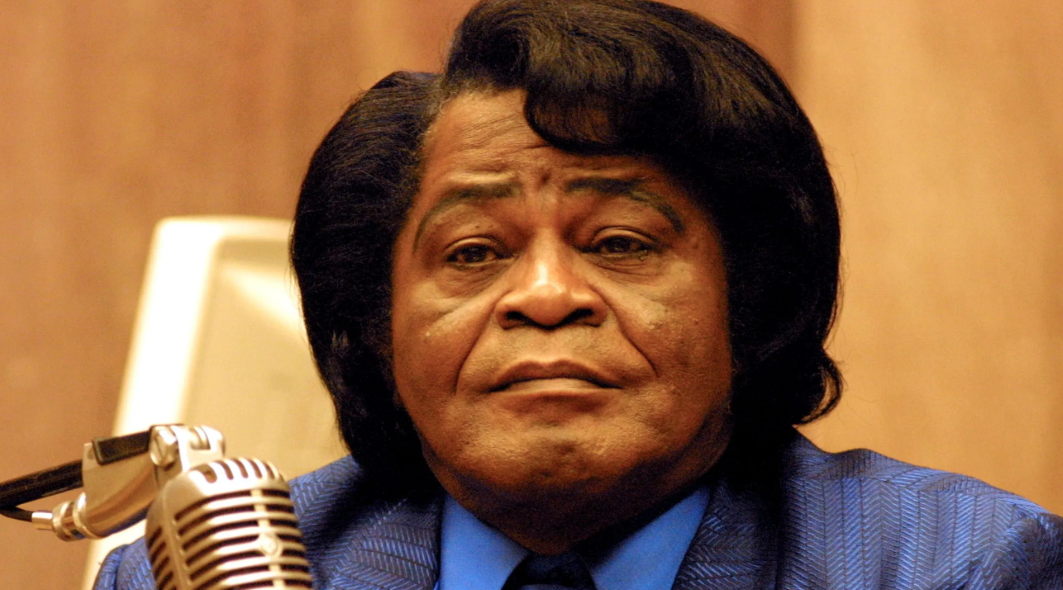
James Brown. The name alone conjures a specific energy — the screams, the footwork, the impossibly tight band, the sheer physical force of his performance. He was not just a musician; he was a phenomenon. Across six decades of performing, recording, and building a personal mythology, Brown accumulated both extraordinary wealth and extraordinary legal complications. Understanding what James Brown was actually worth — and what happened to that money after his death — is a story as complex and compelling as the man himself.
What Was James Brown’s Net Worth?
At the time of his death on 25 December 2006, James Brown’s estate was estimated to be worth between $80 million and $100 million. This figure includes his music publishing rights, recording royalties, personal property, real estate holdings, and business interests accumulated over a career that produced some of the most sampled and licensed music in history. Some accounts put the figure higher, particularly when accounting for the ongoing royalty income that has flowed from his estate since his death.
However, the story of James Brown’s actual wealth is complicated by decades of financial management challenges, legal disputes, and an estate battle that became one of the most contested and protracted in music industry history — a process that continues to generate headlines more than fifteen years after his death.
From Poverty to Superstardom
James Brown’s rise from genuine deprivation to global superstardom is one of the defining American stories of the twentieth century. Born in Barnwell, South Carolina, in 1933 — though he often gave different birth years in interviews — Brown grew up in extreme poverty, raised partly in a brothel run by his aunt in Augusta, Georgia. He was arrested for petty theft as a teenager and served time in a juvenile detention facility, an experience he later credited with redirecting his energy toward music.
His career began in gospel music before pivoting to rhythm and blues with the Famous Flames in the mid-1950s. His first major hit, “Please Please Please,” came in 1956 on Federal Records, but it was the relentless touring and recording of the late 1950s and early 1960s that built his reputation as one of the most electrifying live performers in American music.
Building the Empire: The 1960s and 1970s
James Brown understood business as well as music. In an era when Black artists were routinely exploited by record labels, promoters, and publishers, Brown fought — sometimes successfully, sometimes not — to maintain control of his career and his income. He was famously demanding and meticulous about money, requiring cash payment before performances and managing the business affairs of his band members with an iron hand.
His hit-making era in the 1960s produced some of the most commercially successful recordings in American soul and funk: “Papa’s Got a Brand New Bag,” “I Got You (I Feel Good),” “Cold Sweat,” “Say It Loud – I’m Black and I’m Proud,” and dozens more. These songs generated immediate income from record sales and touring, but their true long-term value lay in something Brown didn’t fully understand at the time: they would become the most sampled recordings in the history of popular music.
When hip-hop emerged in the late 1970s and exploded in the 1980s, James Brown’s catalogue became the foundation of the new genre. The “Funky Drummer” break, the “Amen break,” the basslines and horn stabs from dozens of his recordings — all found their way into hip-hop productions. Every sample generated a licensing fee, and Brown and his publishers were soon in a position to earn significant money from the next generation of musicians building on his work.
Sampling Royalties: The Gift That Keeps Giving
The commercial scale of James Brown’s contribution to hip-hop is difficult to overstate. Estimates suggest that elements of his recordings have appeared in more than 4,000 commercially released songs — a figure that places him in a category essentially alone among sampled artists. Major hip-hop and R&B records throughout the 1980s, 1990s, 2000s, and 2010s have drawn on his catalogue, generating licensing fees that flow back to his estate.
The rate at which a sample licence is negotiated varies widely depending on the prominence of the sample, the commercial success of the new recording, and the bargaining power of the parties involved. A prominent sample in a major hip-hop hit can command tens or even hundreds of thousands of dollars, while more obscure uses generate smaller fees. Multiplied across thousands of songs over four decades, the cumulative income from Brown’s sampling legacy is enormous.
The Estate Battle: A Cautionary Tale
James Brown’s death in 2006 triggered one of the most chaotic and contested estate battles in entertainment history. His will directed that the bulk of his estate should go to fund scholarships for poor children in South Carolina and Georgia — a genuinely philanthropic impulse that reflected Brown’s own origins. However, the estate has been disputed by multiple parties including his children, a former companion, and various business associates.
South Carolina’s attorney general became involved, investigating concerns about how the estate was being managed. Legal wrangling over the will, its validity, and the distribution of assets continued for years, consuming significant legal fees and delaying the fulfilment of Brown’s philanthropic wishes. Children from multiple relationships — Brown had a complex personal life with several marriages and numerous children — contested various aspects of the estate settlement.
The messy resolution of his estate affairs arguably cost his heirs and his intended beneficiaries millions of dollars in legal costs and assets that were dissipated through the litigation process. It stands as a cautionary reminder that even the most successful entertainers need clear and well-executed estate planning.
Real Estate and Physical Assets
Brown owned significant real estate at the time of his death, including properties in Augusta, Georgia, and in South Carolina. His personal possessions — including his legendary performance costumes, his vehicles, musical instruments, and memorabilia — are also assets of real value. Memorabilia associated with iconic entertainers commands significant prices at auction, and Brown’s physical legacy would be among the most valuable in American music.
His home studio and recording equipment, accumulated over decades, also represented substantial physical assets that formed part of the estate’s overall value.
Legacy Income: James Brown After Death
In the years since his death, James Brown’s estate has continued to generate significant income. His catalogue remains in active commercial use: sampling continues, new films and documentaries about his life (including the 2014 biopic Get On Up) have renewed interest in his music, streaming numbers are strong, and his recordings remain ubiquitous in advertising and media. The estate earns money every time a Brown song is used commercially, and the demand for that music shows no sign of diminishing.
The biopic itself — starring Chadwick Boseman in a widely praised performance — introduced Brown’s story to a new generation and drove significant increases in streaming numbers and merchandise sales. This kind of renewed cultural attention generates lasting commercial value for the estate.
James Brown was, in commercial terms, both remarkable and tragic. Remarkable because he built a vast fortune from nothing, through sheer talent, determination, and an instinctive commercial acumen. Tragic because the same personal complexity that made him a towering creative figure also resulted in a chaotic personal life and an estate situation that undermined the philanthropic legacy he explicitly intended to leave. The Godfather of Soul deserves to be remembered for the music above all — but the financial story of his life is a fascinating and instructive chapter in American entertainment history.
James Brown’s Influence on Modern Music and Its Ongoing Commercial Value
To understand the full financial picture of James Brown’s estate and legacy, it helps to grasp the scale of his influence on subsequent music. Hip-hop, funk, R&B, and electronic dance music all owe enormous debts to Brown’s innovations — particularly his emphasis on rhythm as the primary vehicle of musical expression, his development of the one-beat groove, and his relentless focus on live performance energy. These weren’t just musical innovations; they were commercial ones, creating a template that has been profitable for generations of artists who built on his foundations.
When a young artist today samples a James Brown record — or creates music heavily influenced by his style — they are participating in an economic relationship with his estate. The ubiquity of his influence means this relationship is ongoing and expansive, touching virtually every corner of popular music. Few artists of any era can claim a commercial influence this broad and this deep, and the ongoing royalty income it generates reflects that extraordinary reach.
The Impact of the Biopic on Estate Value
The 2014 biopic Get On Up, featuring Chadwick Boseman’s acclaimed portrayal of Brown, had measurable commercial effects on his estate’s income. Films of this kind consistently drive spikes in streaming, physical sales, and licensing activity for the subject’s catalogue. When Walk the Line was released about Johnny Cash, his streaming numbers increased dramatically. When Bohemian Rhapsody came out about Freddie Mercury and Queen, the band’s catalogue sales surged globally.
The same effect applied to Get On Up, introducing a generation of younger viewers to Brown’s music through the prism of an acclaimed dramatic film. Estate managers and rights holders who are adept at capitalising on these moments of renewed attention can substantially amplify their commercial effect through targeted reissues, exclusive deals, and synchronisation opportunities with streaming platforms and film studios.
What James Brown’s Story Teaches About Artistic Legacy
There is something instructive about James Brown’s financial story that goes beyond the specific numbers. He came from nothing, built an empire through extraordinary talent and relentless work, struggled to manage the complexities that came with that success, and left behind a legacy that continues to generate commercial value decades after his death. The music he made is, in an important sense, indestructible — it is woven into the fabric of modern popular culture in a way that no legal dispute or estate complication can undo.
The lesson for the music industry is about the relationship between artistic quality, cultural longevity, and economic value. Brown’s recordings are commercially valuable because they are artistically irreplaceable. That irreplaceability — the fact that no one has ever made music quite like his and probably no one ever will — is the ultimate foundation of the estate’s ongoing wealth. It is a reminder that in the creative industries, the most enduring financial asset is not a catalogue or a publishing deal but the unique artistic vision that made those things worth having in the first place.
James Brown’s Place in the American Musical Canon
Any financial assessment of James Brown must ultimately acknowledge the commercial foundation of his estate’s value: the sheer, irreducible greatness of the music itself. “I Got You (I Feel Good),” “Papa’s Got a Brand New Bag,” “Living in America,” “Sex Machine” — these are not merely commercially successful songs but genuine pieces of American cultural history, as embedded in the national musical consciousness as anything by Elvis Presley or Ray Charles. That status is not something that legal disputes, estate complications, or changing market conditions can erode. It is permanent, and it is the deepest source of the ongoing financial value flowing from Brown’s life’s work.
The most valuable music catalogues are those that have achieved this level of cultural permanence — not just popular songs but songs that feel necessary, that feel like they have always existed and always will. Brown’s greatest recordings occupy exactly that space, which is why his estate will continue to generate substantial income long after the immediate controversies of his death and estate dispute have faded from memory. The money follows the music, and the music, in Brown’s case, is eternal.