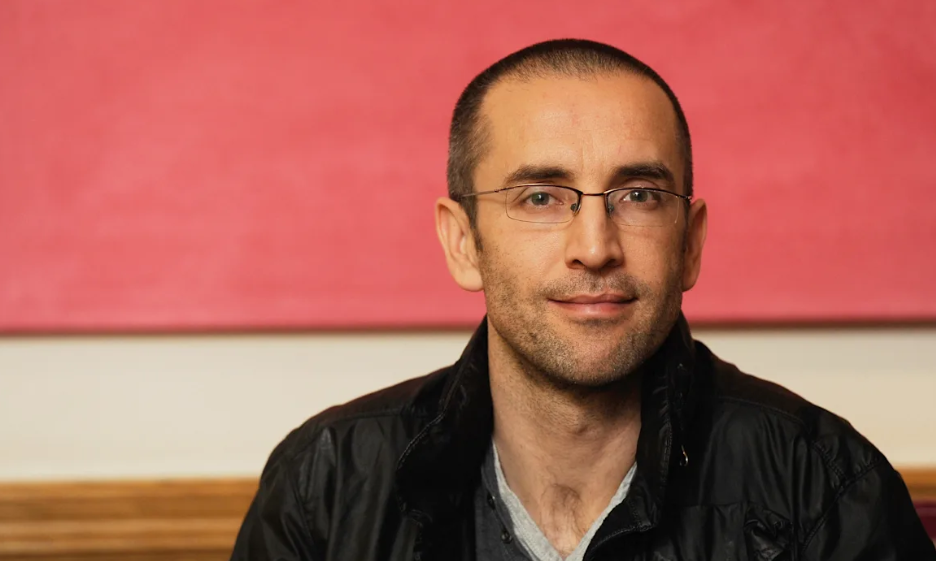
James Hooton has been one of British soap opera’s most enduring and beloved presences for nearly three decades, playing the irreplaceable Sam Dingle on ITV’s Emmerdale. His portrayal of the lovable, bumbling, but ultimately good-hearted Sam has made him a genuine fan favourite and one of the longest-serving members of one of the UK’s most-watched television programmes. But while Sam Dingle may not be the sharpest tool in the Dingle shed, the actor behind him has built a stable and rewarding career in British television. So how much has that amounted to financially?
What Is James Hooton’s Net Worth?
James Hooton’s net worth is estimated to be in the region of £1 to £2 million. This figure reflects nearly three decades of steady work as a contracted cast member of Emmerdale, one of Britain’s highest-rated daily dramas, combined with additional television work and any personal investments or property holdings accumulated over a long and stable career.
It should be said clearly that precise figures for actors at Hooton’s level — working in British soap opera rather than Hollywood films — are not easy to verify. Soap opera salaries are negotiated individually and remain confidential, and there is a wide range of what different actors earn depending on their tenure, their storyline significance, and their negotiating position. What we can do is draw on publicly available information about typical soap actor salaries to construct a reasonable estimate of what his career earnings might have amounted to.
A Career Built on Emmerdale
James Hooton was born in 1975 and grew up in Leeds, making him genuinely local to the region that Emmerdale depicts. He first appeared in the show in 1995, joining the already-established Dingle family — a comedic and occasionally chaotic clan who had been introduced to the show in 1994 and quickly became viewer favourites. Sam Dingle was immediately distinctive: the gentlest and most naive of the family, often used for comic relief but also capable of surprisingly affecting dramatic moments when the scripts called for it.
His character’s longevity is in part a testament to Hooton’s own performance skills. Keeping a soap character fresh and believable across three decades is a genuinely difficult achievement, requiring the actor to find new dimensions within a fixed persona while adapting to changing production contexts, shifting cast dynamics, and evolving audience tastes. Hooton has managed this with apparent ease, making Sam Dingle feel as natural in 2024 as he did in 1995.
Emmerdale Salary Estimates
British soap opera salaries vary significantly depending on the actor’s role and status. Walk-on parts and recurring minor characters earn modestly, while central characters in major storylines can earn very well indeed. For a long-serving, well-loved character like Sam Dingle — who while not always central to the main plotlines is consistently present and regularly features in important family storylines — the salary would reflect his established status.
Industry estimates suggest that established Emmerdale cast members with long tenures earn in the range of £50,000 to £150,000 per year, with higher-profile characters potentially earning more. Over a career spanning nearly 30 years, even at the lower end of that range, the cumulative income is substantial. Assuming an average salary in the region of £75,000 to £100,000 per year across his tenure, total career earnings from Emmerdale alone would run into the millions of pounds.
It’s also worth noting that soap actors work hard for their money. Recording schedules for daily dramas are demanding — actors can film multiple episodes per week, working long hours on set and maintaining a continuous knowledge of extensive, fast-changing scripts. The hourly rate for this work, divided by the actual hours worked, is less glamorous than the headline annual figures might suggest.
Outside Emmerdale: Additional Work
Like most soap actors, Hooton has occasionally taken on work outside of Emmerdale during his tenure, though the demands of a daily serial mean that outside commitments are necessarily limited. He has appeared in pantomime productions — a traditional source of supplementary income for soap actors, with producers paying significant fees to cast familiar faces that drive ticket sales. Popular soap stars can earn £50,000 to £100,000 for a panto season, making it a meaningful income boost on top of their regular soap salary.
He has also done promotional appearances, celebrity charity events, and other activities that come with being a recognisable face from a beloved TV programme. These are modest income streams individually but contribute to the overall picture.
Personal Life and Lifestyle
James Hooton maintains a relatively private personal life. He is married and has children, and he lives in the Yorkshire area — appropriate for an actor whose entire screen career has been set in the Yorkshire Dales. Yorkshire property values, while having risen considerably over the past decade, remain more affordable than London or the South East, meaning that a comfortable family home can be maintained without the kind of property-related financial pressure that might affect actors in more expensive markets.
He has spoken in interviews about his genuine enjoyment of the role of Sam Dingle and his appreciation for the stability that a long-running soap provides — steady work, a close-knit production family, and the kind of work that keeps your acting muscles exercised without the anxiety of constant auditions and uncertain employment that characterises much of the acting profession. This pragmatic contentment with his professional situation suggests someone who has made sensible financial decisions based on his actual earnings rather than aspirational wealth.
The Value of a Soap Opera Career
It’s worth reflecting on what a long-running soap opera career like Hooton’s actually means in financial terms, because the soap opera model is quite different from other areas of the acting profession. In film and television drama, actors can experience significant feast-or-famine cycles: major roles followed by quiet periods, high salaries offset by long gaps between projects. In soap opera, there is a baseline predictability — contracted actors know they have work, they know their salary, and they can plan their lives accordingly.
This predictability has real financial value. Actors who can save and invest consistently over a long career, without the disruption of financial uncertainty, often accumulate wealth more reliably than those in more volatile parts of the industry. Hooton’s three decades of steady Emmerdale income, if well-managed, would have provided an excellent foundation for property ownership, pension contributions, and other financial planning.
Recognition and Cultural Legacy
Sam Dingle is one of Emmerdale‘s most beloved characters, and James Hooton is an integral part of the show’s identity. He has received recognition from the soap’s fanbase and from the industry — including award nominations — for his work over the years. While soap opera doesn’t always receive the same critical prestige as primetime drama, the audience reach is extraordinary. Emmerdale consistently attracts millions of viewers per episode, making its cast members among the most recognisable faces in British television.
This kind of brand recognition translates into commercial opportunities — personal appearances, merchandise, and the goodwill of an audience who feel a genuine affection for the characters and actors they’ve watched for decades. Hooton’s longevity in the role means he has accumulated exactly this kind of cultural capital, which has both tangible and intangible financial value.
James Hooton may not be the wealthiest actor in British television, but his net worth reflects a career built on something genuinely valuable: consistency, craft, and the ability to create a character that viewers have cared about for nearly thirty years. In an industry defined by uncertainty, that is no small achievement — and the financial rewards reflect it.
The Dingle Family as a Commercial Institution
It’s worth putting Hooton’s individual career in the context of the Dingle family as a whole, because the family’s commercial significance to Emmerdale is substantial. The Dingles were introduced in 1994 and quickly became one of the show’s most popular and commercially significant elements. They provided a combination of comedy, warmth, drama, and a working-class Yorkshire authenticity that resonated strongly with the programme’s audience. Their sustained popularity has made them one of the core pillars of Emmerdale’s identity for three decades.
Actors who are part of long-running, audience-beloved family units within soap operas tend to have greater job security and, over time, greater negotiating leverage than those playing more peripheral characters. The fact that Sam Dingle is an integral part of the Dingle clan — and that removing him would be felt by viewers — gives Hooton a degree of contractual security and salary negotiating power that benefits his financial position. Productions don’t usually phase out popular characters without compelling reasons, and the audience reaction to the departure of a beloved long-term soap character can be commercially damaging.
Pantomime and the Live Performance Economy
British pantomime deserves more serious attention as a financial vehicle for television actors than it typically receives. The UK pantomime industry generates over £100 million in annual revenue, with major productions at theatres across the country running for six to eight weeks over the Christmas period. For soap actors with strong name recognition, pantomime offers a reliable annual income boost that can be significant relative to their base salary.
A well-known Emmerdale face starring in pantomime at a regional theatre or one of the major touring productions can expect fees in the range of £30,000 to £80,000 for a run, depending on their profile and the scale of the production. Combined with the guaranteed annual income from Emmerdale, this creates a reliably comfortable financial position that many in the broader acting profession would envy. Hooton’s long tenure at Emmerdale and his recognisability as Sam Dingle make him a natural pantomime draw, and it would be surprising if he has not supplemented his soap income with panto work over the years.
Long-Term Financial Planning for Actors
One financial aspect of soap opera acting that rarely makes headlines but is genuinely important is pension provision. Equity — the UK actors’ union — has historically negotiated minimum pay rates and conditions for television actors, including provisions around pension contributions. For actors who maintain long-term contracts with major productions, these provisions can accumulate into meaningful retirement assets over multi-decade careers.
James Hooton’s nearly thirty years of employment at a major ITV production gives him a pension accumulation period that most self-employed freelance actors never achieve. The combination of pension contributions across that period, combined with whatever personal savings and investments he has made, suggests a financial position in retirement that is considerably more secure than the average actor’s — a genuine benefit of the career stability that a long-running soap role can provide.
Reflecting on Three Decades of Sam Dingle
At nearly thirty years into the role, James Hooton has created something genuinely unusual in British television: a character who has been on screen long enough to span multiple generations of viewers. People who watched Emmerdale as children in the 1990s have now grown up, started families, and are watching the show with children of their own — and Sam Dingle is still there. That multi-generational familiarity is a form of cultural embeddedness that very few performers achieve, and it gives Hooton’s presence on screen a warmth and depth that newer cast members simply cannot replicate.
It also gives him a commercial durability that should be valued alongside the more conventional measures of his net worth. As long as Emmerdale continues — and there is no particular reason to think it won’t, given its sustained viewership — Hooton’s income, career stability, and public profile are all likely to remain solid. That is a genuinely enviable professional position in a profession defined by precariousness, and the financial security it represents is perhaps the most important component of what James Hooton has built across his remarkable tenure in the Yorkshire Dales.