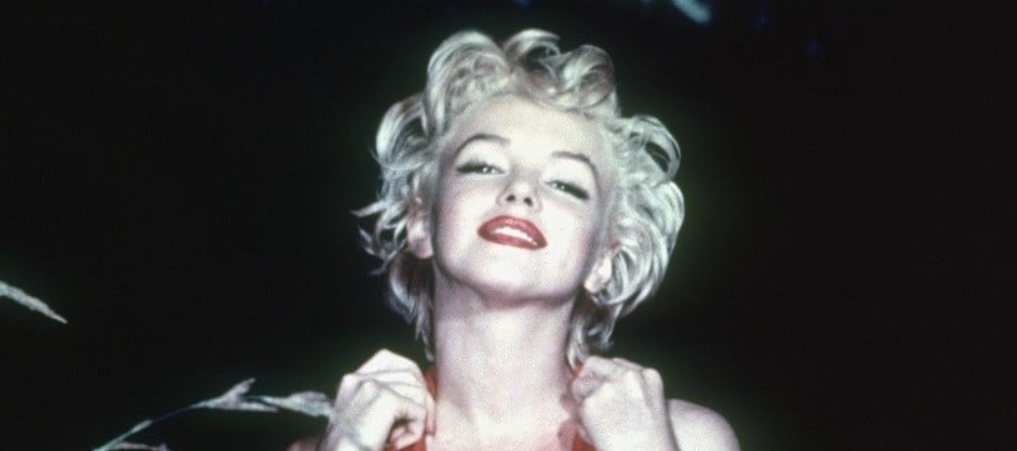
Marilyn Monroe is arguably the most iconic figure in entertainment history. Her image is instantly recognisable around the world, her films remain cultural touchstones, and her name carries a weight that few celebrities — living or dead — can match. But the financial story behind that iconic status is far more complicated and surprising than most people realise.
At the time of her death in 1962, Marilyn Monroe’s personal net worth was estimated at just $800,000 — a figure that seems almost absurdly low for someone of her fame. Adjusted for inflation, that is roughly $8 million in today’s money. However, the story does not end there. The Marilyn Monroe estate has generated hundreds of millions of dollars in the decades since her death, making her one of the highest-earning deceased celebrities in history, with the estate’s cumulative value estimated to have exceeded $150 million.
What Monroe Actually Earned During Her Lifetime
During the height of her career in the 1950s and early 1960s, Marilyn Monroe was one of the biggest box office draws in Hollywood. She starred in films including Gentlemen Prefer Blondes, Some Like It Hot, The Seven Year Itch, and Bus Stop, many of which were enormous commercial successes.
But here is the thing that surprises most people — Monroe was not paid nearly as well as her box office clout would suggest. The studio system that dominated Hollywood during her era was notorious for keeping actors on relatively modest contracts while the studios themselves reaped the profits from ticket sales. Monroe’s salary for many of her most famous films was a fraction of what a star of comparable drawing power would earn today.
For Some Like It Hot, widely regarded as one of the greatest comedy films ever made, Monroe reportedly earned around $300,000 — a significant sum in 1959, but hardly reflective of her contribution to the film’s commercial success. The movie grossed over $25 million at the box office, meaning Monroe’s compensation was roughly one percent of the total revenue.
The Fight for Fair Pay
Monroe was not unaware of the disparity between her value to the studios and her compensation. In the mid-1950s, she took the extraordinary step of forming her own production company, Marilyn Monroe Productions, in partnership with photographer Milton Greene. The company was intended to give her greater creative control and a larger share of the financial returns from her work.
This was a remarkably forward-thinking move for an actress of that era. While the production company had mixed results — it produced The Prince and the Showgirl, among other projects — it demonstrated Monroe’s understanding that the existing system was not rewarding her fairly. She negotiated a new contract with 20th Century Fox that gave her better terms, including director and cinematographer approval, but even the improved deal fell short of what she might have commanded in a more equitable market.
The structural inequities of the Hollywood studio system meant that Monroe, despite being one of the most bankable stars in the world, never accumulated the kind of wealth that her fame would suggest. This is a pattern that affected many actors of the era, but it is particularly striking in Monroe’s case given the sheer scale of her cultural impact.
Personal Finances and Spending
Monroe’s personal financial management was complicated by the pressures of maintaining a celebrity lifestyle, significant medical and psychiatric expenses, and the costs associated with several marriages and divorces. She was married three times — to James Dougherty, Joe DiMaggio, and Arthur Miller — and the financial aspects of these relationships, including legal fees and settlements, had an impact on her bottom line.
She was also known for her generosity, often giving money to friends, employees, and causes she cared about. Combined with the relatively modest earnings from her film work and the expenses of living as one of Hollywood’s most visible stars, it is not surprising that her accumulation of personal wealth was limited.
At the time of her death on 5 August 1962, Monroe’s estate was valued at approximately $800,000. After debts and expenses were settled, the residual estate was left primarily to her acting teacher Lee Strasberg, with a portion going to her psychiatrist Dr. Marianne Kris for charitable purposes.
The Estate’s Extraordinary Afterlife
The real financial story of Marilyn Monroe begins after her death. Her estate — and particularly the rights to her name, image, and likeness — has generated an extraordinary amount of revenue in the decades since 1962. This posthumous earning power is almost unparalleled in the history of celebrity estates.
When Lee Strasberg inherited the bulk of Monroe’s estate, few could have predicted how valuable those rights would become. After Strasberg’s death in 1982, the estate passed to his third wife, Anna Strasberg, who has managed Monroe’s posthumous commercial activities with considerable business acumen.
Posthumous Earnings and Licensing
The Marilyn Monroe estate earns money primarily through licensing her name, image, and likeness for use in products, advertisements, merchandise, and media projects. The range of licensed products bearing Monroe’s image is staggering — from fashion collaborations and perfumes to artwork, home décor, and collectibles.
In 2011, Authentic Brands Group acquired a majority stake in the rights to Marilyn Monroe’s intellectual property. Authentic Brands Group is a major brand management company that also controls the commercial rights to other iconic figures and brands. The acquisition reportedly valued the Monroe IP at tens of millions of dollars, reflecting the ongoing commercial power of her image and name.
Under Authentic Brands Group’s management, the commercial exploitation of Monroe’s image has become more systematic and strategic. The company has pursued licensing deals across multiple product categories and geographic markets, maximising the revenue potential of one of the most recognisable faces in history.
Film and Media Revenue
Monroe’s filmography continues to generate revenue through television broadcasts, home video sales, and streaming. While the bulk of this revenue goes to the studios that produced the films, the estate benefits from certain residual rights and from the ongoing cultural relevance that keeps her films in circulation.
Her appearances in documentaries, biographical films, and cultural retrospectives also contribute to keeping her image in the public consciousness, which in turn supports the licensing revenue that is the estate’s primary income source. The 2022 film Blonde, starring Ana de Armas, brought renewed attention to Monroe’s life and career, generating another wave of public interest that translates into commercial value.
Real Estate and Physical Assets
Monroe’s former homes have become valuable properties in their own right, though they are not part of the estate. Her Brentwood home in Los Angeles, where she died, has changed hands several times and has been the subject of significant public interest, including a recent preservation battle that made national news.
The physical objects associated with Monroe — dresses, personal items, photographs, and memorabilia — command extraordinary prices at auction. Her famous “Happy Birthday, Mr. President” dress sold at auction for $4.8 million in 1999, making it one of the most expensive dresses ever sold. While these sales benefit the owners of the items rather than the estate directly, they demonstrate the enduring financial value associated with anything connected to Monroe.
Annual Posthumous Earnings
Forbes has regularly included Marilyn Monroe on its list of top-earning deceased celebrities. Her annual posthumous earnings have varied over the years but have consistently placed her among the highest-earning deceased public figures, alongside names like Elvis Presley, Michael Jackson, and Charles Schulz.
In peak years, Monroe’s estate has earned upwards of $10 million to $15 million annually from licensing and commercial activities. Over the more than six decades since her death, the cumulative posthumous earnings have far exceeded anything she earned during her lifetime, by a factor of many multiples.
Cultural Capital as Financial Capital
What makes Monroe’s posthumous financial story so remarkable is the way cultural significance has been converted into financial value over time. Her image represents something that transcends ordinary celebrity — it symbolises glamour, vulnerability, Hollywood’s golden age, and a particular kind of American beauty that remains commercially appealing decades after her death.
That cultural resonance is the engine that drives the estate’s earning power. As long as Marilyn Monroe remains a recognisable and emotionally resonant figure in popular culture, there will be companies willing to pay for the right to associate their products with her image. And given that her cultural significance shows no signs of fading, the estate’s earning potential appears to be sustainable for the foreseeable future.
A Fortune Built After Death
Marilyn Monroe’s net worth story is one of the most unusual in celebrity history. The woman herself lived modestly by the standards of her fame, hampered by an industry structure that undervalued its biggest stars and personal circumstances that prevented significant wealth accumulation. But the commercial afterlife of her image has generated a fortune that dwarfs her lifetime earnings many times over.
It is a story that raises interesting questions about the relationship between fame, wealth, and the systems that control them. Monroe was worth far more dead than alive — not because her talent or appeal increased after her death, but because the mechanisms for monetising her image became far more sophisticated and aggressive over time. Whether that represents a tribute to her enduring legacy or an uncomfortable commentary on the commodification of celebrity is a question that each person will answer differently.