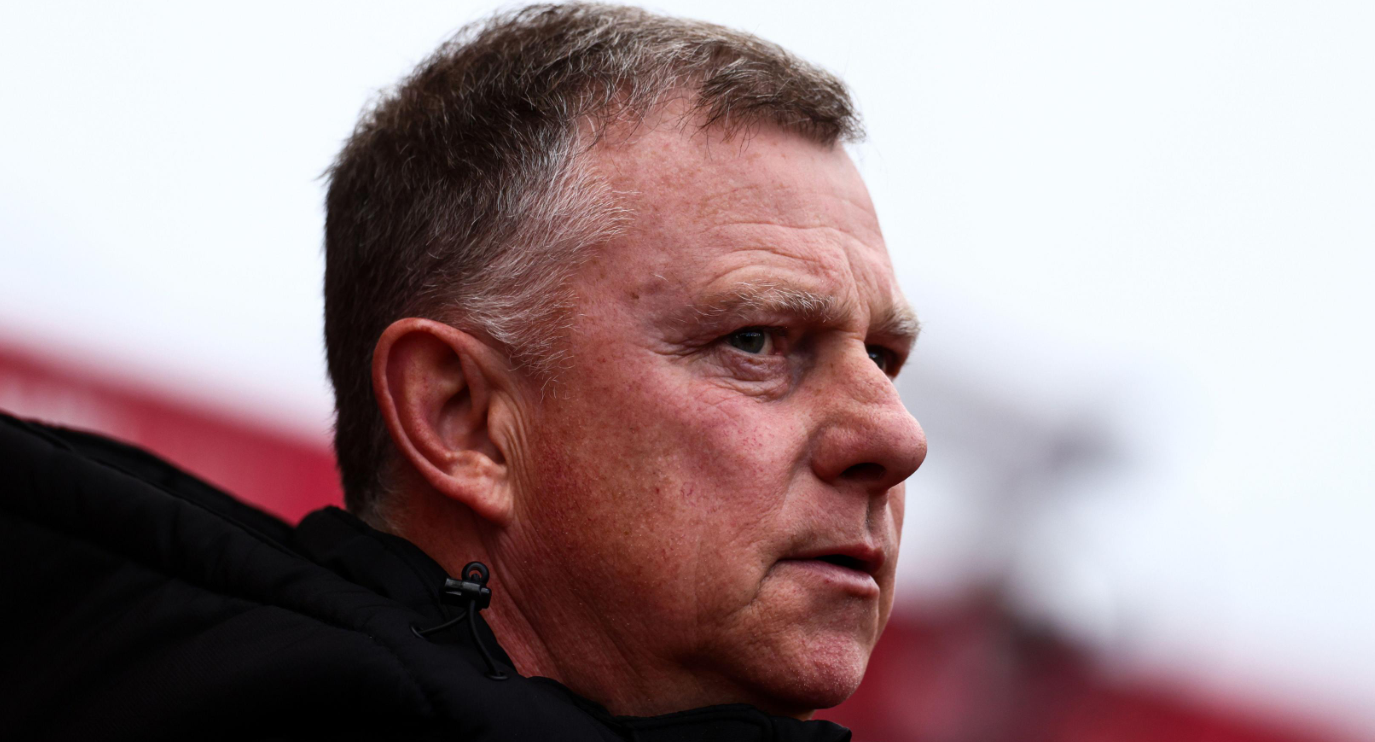
Mark Robins occupies an unusual place in English football history. He is best known for a single goal — the strike against Nottingham Forest in the FA Cup third round in January 1990 that is widely credited with saving Sir Alex Ferguson’s job at Manchester United. That goal, and the chain of events it set in motion, makes Robins a footnote in one of the greatest managerial careers in sporting history. But Robins has a story of his own, one that spans decades as both a player and a manager, and his net worth reflects a career spent in the lower and middle tiers of English football rather than at the glamorous top.
Mark Robins’s net worth is estimated at around £2 million to £4 million. That figure encompasses his earnings from a playing career that spanned the late 1980s to the early 2000s, followed by a management career that has included spells at several English clubs, most notably a long and successful tenure at Coventry City.
The Playing Career
Mark Robins began his professional career at Manchester United, coming through the youth system and making his first-team debut in the late 1980s. He was a striker — quick, sharp in the box, and capable of scoring the kind of opportunistic goals that make the difference in tight matches.
His time at United coincided with a transitional period for the club. Sir Alex Ferguson had been appointed manager in 1986 but had not yet delivered the trophies that would come to define his reign. By the end of 1989, there was genuine speculation that Ferguson might be sacked. The FA Cup run that began with Robins’s goal against Forest provided a lifeline — United went on to win the competition, and Ferguson’s position was secured. The rest, as they say, is history.
Despite his moment of historical significance, Robins did not become a regular starter at United. The competition for places was fierce, and he moved on to Norwich City in 1992 for a reported fee of around £800,000. It was a move that took him away from the spotlight of Old Trafford but into a solid career in the top flight and the divisions below.
Career Clubs and Earnings
After Norwich, Robins played for Leicester City, FC Copenhagen in Denmark, Reading, Ourense in Spain, Manchester City, Walsall, Rotherham United, Bristol City, Sheffield Wednesday, and Burton Albion. It was the kind of journeyman career that many professional footballers experience — moving between clubs at various levels, accumulating experience and earning a living from the game.
Player salaries in the lower divisions of English football during the 1990s and early 2000s were modest compared to the Premier League wages that grab headlines. A typical First Division or Second Division player might earn between £1,000 and £5,000 per week during this period, depending on the club and the player’s experience. At the top end of his playing career, Robins would have earned more — particularly during his time at Leicester City and Norwich City, both of which were competing at or near the top flight level.
Over a career spanning roughly fifteen years, Robins would have accumulated total playing earnings in the hundreds of thousands of pounds — a comfortable sum, but not the life-changing wealth that Premier League stars of the same era were beginning to accumulate. The timing of his career meant he missed the massive wage inflation that transformed English football finances from the mid-1990s onwards.
Transition to Management
Like many former players, Robins moved into management after his playing career ended. His first managerial role came at Rotherham United, where he was appointed in 2007. Management in the lower leagues of English football is a demanding job — the budgets are tight, the expectations are high relative to resources, and the margin for error is slim.
Robins went on to manage Barnsley, Coventry City (in two separate spells), Huddersfield Town, and Scunthorpe United. His most significant managerial achievement came during his second spell at Coventry City, where he oversaw a remarkable transformation of the club’s fortunes.
The Coventry City Success Story
Robins was appointed Coventry City manager in March 2017, when the club was struggling in League One. What followed was one of the most impressive rebuilding jobs in recent English football history. Under his leadership, Coventry won promotion from League One to the Championship and established themselves as a competitive force in the second tier of English football.
The club’s journey under Robins included a League One title, an EFL Trophy victory at Wembley, and several seasons of competitive Championship football. For a club that had experienced significant financial difficulties, stadium issues, and a general decline from its former Premier League status, Robins’s management represented a genuine renaissance.
His success at Coventry would have been reflected in his compensation. Championship managers typically earn between £300,000 and £1 million per year, with the most successful and longest-serving managers at the upper end of that range. Given his long tenure and the results he delivered, Robins would have been among the better-compensated managers at that level.
Management Salary Trajectory
Management salaries in the English Football League vary significantly depending on the division and the club. In League Two and League One, managers might earn between £100,000 and £400,000 annually. In the Championship, the range extends from around £300,000 to well over £1 million for managers at the bigger clubs.
Across his management career, which has spanned nearly two decades, Robins has accumulated earnings that significantly exceed what he earned as a player. The management phase of his career has been the primary driver of his current net worth, particularly the Coventry years where he would have been earning at Championship level for an extended period.
It is also worth noting that when managers are sacked — as happens frequently in football — they are typically entitled to compensation for the remaining term of their contract. These payoffs can amount to several months or even years of salary, and they represent a significant additional income source for managers who move between clubs.
Coaching and Advisory Work
Between and alongside managerial positions, Robins has been involved in coaching and advisory roles within football. These positions provide income while also keeping managers connected to the game and visible to clubs that might be looking for their next appointment.
The football management world operates on relationships and reputation, and Robins’s long track record of solid work in the lower leagues has earned him a reputation as a reliable, competent manager who can work within tight financial constraints. That reputation is itself an asset, as it increases the likelihood of future appointments and the salary he can command.
Property and Investments
Like most people in the UK, property is likely to represent a significant component of Robins’s net worth. As someone who has worked in the Midlands for much of his career — Coventry, Rotherham, Barnsley, and other Midlands and Northern clubs — he would have had access to property markets that, while less expensive than London and the South East, have still shown solid appreciation over the past two decades.
A professional footballer and football manager earning a consistent income over thirty-plus years would have had the opportunity to build a property portfolio, whether through purchasing a family home, buy-to-let investments, or other real estate strategies. The stability of income from a long career in professional football, even outside the Premier League, provides the financial foundation for this kind of wealth building.
The Ferguson Goal — Cultural Capital
While it does not appear directly on any balance sheet, Robins’s association with the goal that saved Alex Ferguson’s career at Manchester United carries a kind of cultural capital that has real financial value. It makes him a sought-after figure for media appearances, after-dinner speaking engagements, and football-related events where the story of that FA Cup tie is retold.
Former players who are associated with significant moments in football history can earn meaningful income from speaking engagements and corporate hospitality events. The going rate for a football after-dinner speaker varies widely, but for someone with a genuinely famous story to tell, fees can range from £1,000 to £10,000 or more per event.
Over the years, these engagements add up, providing a supplementary income stream that complements the primary earnings from management.
The Full Picture
Mark Robins’s estimated net worth of £2 million to £4 million reflects a long and respectable career in professional football. It is not the kind of fortune that makes headlines — you will not find him on any rich lists or see him displaying conspicuous wealth on social media. But it represents the accumulation of decades of work in a profession he clearly loves, from the youth team at Old Trafford to the dugout at Coventry City and beyond.
His financial story is, in many ways, more representative of life in professional football than the stories of Premier League superstars earning hundreds of thousands per week. Most professional footballers and managers operate at levels where the money is good but not extraordinary, where financial security is earned through consistency and longevity rather than a single massive contract. Mark Robins has done exactly that — and his net worth, while modest by football’s inflated standards, reflects a career well lived and wisely managed.