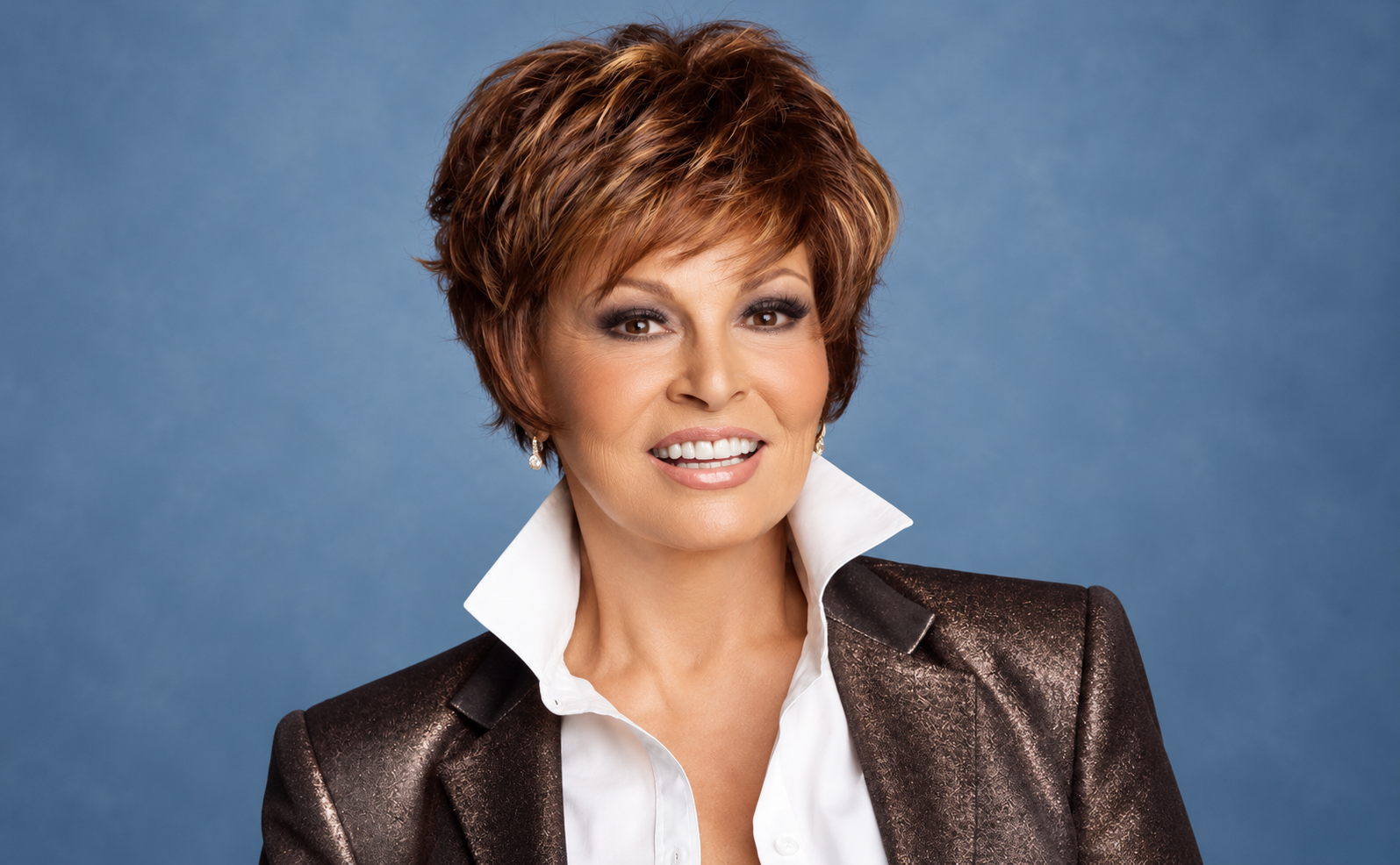
Fraser Edwards has spent years working on one of the hardest problems on the internet: trust. Not the vague kind people talk about in marketing copy, but the practical kind that decides whether a person, company, system, or now even an AI agent can be verified with confidence.
That background matters when you look at cheqd’s journey. The company did not appear out of nowhere with an AI angle because the market got excited. Its path into verifiable AI makes more sense when you look at where it started. cheqd began with self sovereign identity, verifiable credentials, and digital trust infrastructure. Over time, those foundations opened the door to something bigger.
What makes Fraser Edwards and cheqd worth paying attention to is not only that they entered an important market early. It is that they kept expanding the company’s relevance as the trust problem kept changing. First, the challenge was identity and reusable digital credentials. Then the conversation widened to trusted data, privacy-preserving verification, and interoperable systems. Now it includes AI agents, permissions, accreditations, trust registries, and the bigger question of how digital systems prove they are acting within the right boundaries.
That is the real story here. Fraser Edwards did not simply help build cheqd as a self-sovereign identity company. He helped grow it into a business that could speak to one of the next major technology questions: how trust will work in an AI-driven world.
Fraser Edwards and the Early Vision Behind cheqd
Before cheqd became known for verifiable AI and agentic trust, Fraser Edwards had already built a reputation around digital identity and complex trust systems. His background gave him a rare mix of business and technical experience, especially in areas where identity, interoperability, and governance matter more than hype.
That early grounding shaped how cheqd approached the market. Instead of treating digital identity as a narrow compliance tool or a temporary blockchain trend, the company positioned it as long-term infrastructure. That is an important difference. Infrastructure companies do not win by making the loudest claims. They win by solving problems other products depend on.
From the start, cheqd’s positioning sat close to that idea. Digital identity was not just about proving who someone is. It was about enabling secure verification, data ownership, user consent, credential portability, and trusted interactions across ecosystems. In a world full of fragmented platforms and repeated onboarding, that was a meaningful starting point.
Fraser Edwards seems to have understood early that if digital trust was going to scale, it had to become usable, portable, and commercially viable. That mindset helped give cheqd a clearer lane than many identity projects that stayed stuck in theory.
Why Self Sovereign Identity Was the Right Starting Point
Self sovereign identity gave cheqd a sharp and relevant entry point because it addressed a very real frustration. People and organisations were still relying on systems where personal data sat in silos, verification processes repeated the same steps, and users had limited control over how their information moved.
SSI offered a better model. In simple terms, it pushed toward user-controlled data, reusable identity, and privacy-first verification. Instead of sharing every piece of information again and again, a person or organisation could present verifiable credentials that prove what needs to be proven without exposing everything else.
That is where cheqd’s value proposition began to take shape. The company leaned into decentralized identifiers, verifiable credentials, and a trust framework built around portability and control. This was not just attractive from a privacy angle. It was also practical for onboarding, compliance, interoperability, and digital business relationships.
For Fraser Edwards, this gave cheqd more than a technical niche. It gave the company a strategic foothold in a market where trust was becoming part of the product itself.
How cheqd Built Momentum Around Verifiable Credentials
A lot of identity companies can explain the problem. Fewer can build momentum around a useful solution. cheqd started gaining traction by focusing on verifiable credentials as something that could unlock real workflows rather than stay as an abstract concept.
That matters because credentials sit at the center of many trust-heavy interactions. They can support proof of identity, proof of permission, proof of affiliation, proof of qualification, and proof of authenticity. When those credentials are portable, cryptographically verifiable, and connected to open standards, they become much more valuable across industries.
This is where cheqd began moving from an identity story to a broader digital trust story. The company was not only talking about decentralized identity. It was building around trust infrastructure, trusted data, and the mechanics of issuance and verification.
That helped cheqd become more relevant to organisations that needed something more durable than one-off verification checks. Reusable credentials, interoperable systems, privacy-preserving identity, and credential verification tools all pointed toward the same larger idea: trust should be easier to prove, easier to carry, and easier to reuse.
Fraser Edwards’ role in that evolution matters because leadership in this kind of market is not only about product decisions. It is also about framing the company in a way that makes the opportunity easier to understand. cheqd’s messaging increasingly moved beyond pure SSI language and toward the broader business case for digital trust.
Fraser Edwards and the Shift From Identity to Trust Infrastructure
This shift is where the cheqd story becomes especially interesting.
Identity was a strong starting point, but identity on its own can feel too narrow for a fast-moving market. Trust infrastructure is a much bigger category. It includes identity, credentials, governance, permissions, auditability, and the ability to verify relationships between people, organisations, machines, and services.
Under Fraser Edwards, cheqd increasingly looked like a company building that wider layer.
That broader direction gave cheqd room to grow without abandoning its roots. It could still serve self-sovereign identity and verifiable credential use cases, while also expanding into areas like trust registries, trust chains, payment rails for trusted data, and new commercial models around authentication and verification.
That kind of positioning matters because markets evolve. A company that stays attached to only one label can get boxed in. A company that understands the deeper problem it solves has more room to adapt.
cheqd’s deeper problem was always trust.
Once you see the company through that lens, its move into verifiable AI feels far less like a pivot and far more like the next logical step.
Why Verifiable AI Became the Next Logical Step for cheqd
AI is powerful, but it creates a trust gap almost everywhere it appears. People want to know where outputs came from, whether an agent is authorised to act, what permissions it holds, who issued those permissions, and whether any of it can be verified in a reliable way.
That is exactly the kind of problem cheqd was already built to address.
If a company already works with decentralized identifiers, verifiable credentials, trust registries, zero knowledge proofs, and interoperability, then AI becomes less of a brand-new category and more of a new application layer. The same building blocks that help verify a person or organisation can also help verify an AI agent, its origin, its permissions, and its right to operate in a specific context.
This is why Fraser Edwards and cheqd were well placed to step into verifiable AI. They were not starting from scratch. They were extending an existing trust stack into a new environment where the need for accountability was becoming impossible to ignore.
That kind of expansion is often where strong founders separate themselves. They recognise when a company’s existing strengths can be translated into a larger market before everyone else starts describing the same shift in hindsight.
How cheqd Started Building for AI Agents and Agentic Trust
As AI agents became a more serious part of the technology conversation, cheqd started building around the idea that agents need more than intelligence. They need verifiable identities, clear permissions, recognised accreditations, and a trustworthy way to prove all of that.
That is where agentic trust enters the picture.
Instead of treating AI agents as black boxes, cheqd’s approach is built around making them verifiable participants in a digital ecosystem. An agent can be identified through DIDs, assigned verifiable credentials, connected to trust registries, and checked against governance or policy requirements. That gives organisations a way to answer practical questions.
Who is this agent.
What is it allowed to do.
Who granted that authority.
Can another system verify those claims.
Those questions matter more as AI moves from chat interfaces into workflows, automations, transactions, and decision-making environments. An accountable AI ecosystem needs more than model performance. It needs a verification layer.
This is one of the clearest examples of how Fraser Edwards helped cheqd expand its relevance. The company did not leave digital identity behind. It applied digital identity thinking to one of the most urgent problems inside AI adoption.
The Role of MCP Trust Registries and Verifiable Permissions
One of the more interesting parts of cheqd’s newer direction is its work around Model Context Protocol integration, trust registries, and verifiable permissions.
For many readers, those phrases can sound technical at first. But the underlying idea is straightforward. If AI agents are going to interact with people, tools, models, and other agents, then those interactions need some kind of trusted framework behind them.
Trust registries help create that framework by acting as authoritative references for who or what is trusted inside a given ecosystem. Verifiable credentials help prove specific claims. Permissions define what an agent can do. Accreditations show what it is qualified to do. Zero knowledge proofs and privacy-preserving methods help verify sensitive claims without exposing unnecessary information.
That combination turns trust into something more operational.
For cheqd, this opens the door to a more scalable role in AI infrastructure. Instead of being limited to identity as a standalone category, the company can become part of the trust layer that sits underneath secure AI workflows, accountable AI systems, and machine-to-machine interactions.
From an SEO and market-positioning standpoint, that is a much bigger story. From a business standpoint, it is also a smarter one.
Fraser Edwards and cheqd’s Growing Recognition in the Market
A success story feels stronger when it includes visible signals from the market, and cheqd has built more of those over time.
The company has gained recognition through startup rankings, industry awards, ecosystem partnerships, and continued visibility across digital identity and verifiable AI conversations. That external recognition matters because it suggests cheqd is not only developing interesting ideas in isolation. It is being noticed for how those ideas connect to real market demand.
The broader picture is what stands out most. cheqd has managed to stay relevant across multiple adjacent conversations: self-sovereign identity, verifiable credentials, trusted data, privacy-preserving verification, and now AI trust infrastructure. That is not easy to do without becoming scattered.
Fraser Edwards’ contribution here seems to be less about chasing every trend and more about keeping cheqd anchored to a single core problem while letting the applications expand. That kind of consistency makes growth look more durable.
It also helps explain why cheqd’s shift into verifiable AI feels credible. The company had already built the language, tooling, and trust model needed to participate in that market in a serious way.
What cheqd’s Growth Says About the Future of Digital Trust
The growth of cheqd points to something bigger than one founder or one startup. It suggests that digital trust is becoming its own infrastructure category.
In the past, identity was often treated as a back-office concern. Now it sits much closer to product design, compliance, interoperability, security, onboarding, and AI governance. The same goes for credentials, trust chains, and verification frameworks. These are no longer side topics. They are becoming part of how modern digital ecosystems function.
That shift creates a bigger opportunity for companies like cheqd. It also raises the value of leaders who can see the connection between identity, data ownership, permissions, accountability, and AI transparency.
Fraser Edwards has helped place cheqd inside that larger conversation. Not just as another identity startup, but as a company helping shape how trust might actually work when users, organisations, credentials, and AI agents all need to interact across the same digital environment.
How Fraser Edwards Helped cheqd Build a Bigger Story Than Identity Alone
The simplest way to describe Fraser Edwards’ impact on cheqd is this: he helped the company grow beyond a narrow category without losing the logic of its original mission.
cheqd started with self-sovereign identity and verifiable credentials, both of which were already meaningful markets. But the company’s bigger achievement has been turning that base into a broader trust infrastructure story that now reaches into verifiable AI, agent identity, trust registries, and accountable digital ecosystems.
That gives cheqd a stronger long-term narrative. It is no longer only about proving who a person is. It is about proving what can be trusted in a digital environment where humans, organisations, content, and AI systems increasingly overlap.
For Fraser Edwards, that expansion reflects more than product development. It reflects strategic timing, market awareness, and the ability to build around a problem that keeps getting more important.
As AI adoption accelerates, that may turn out to be one of cheqd’s biggest advantages. The company is not trying to invent the need for trust in AI. It is building on years of work in digital identity and verifiable credentials to meet a need that is now much easier for the market to see.