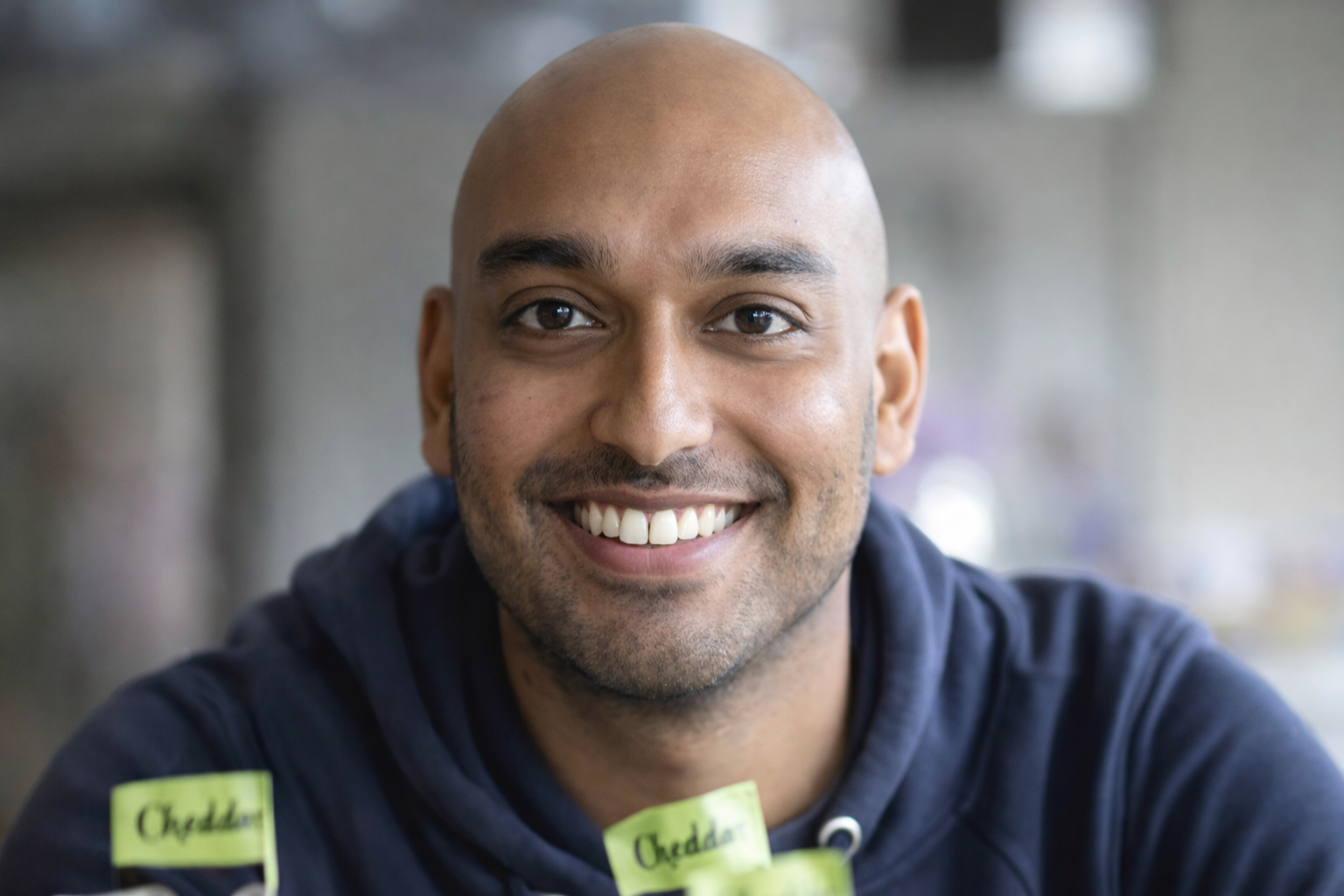
B2B marketing has talked about personalization for years, but for a long time, the reality did not match the pitch. Teams wanted to create tailored experiences for high-value accounts, yet most of the work was still slow, manual, and difficult to scale. Landing pages took too long to build. Ads were too broad. Sales and marketing often worked from the same account list but not from the same motion.
That gap created room for a company like Userled.
Yann Sarfati did not build Userled around a flashy idea that sounded good in a pitch deck. He built it around a real operating problem that many B2B companies were already feeling. If account based marketing was supposed to help teams win better customers, why was it still so hard to launch personalized campaigns quickly and consistently? That question sits at the center of Userled’s rise.
In a relatively short time, Userled has gone from an early-stage startup to a company with meaningful momentum behind it. The business has raised funding, earned industry recognition, and built traction with modern B2B teams that want to move faster without losing relevance. That is what makes Yann Sarfati’s story worth paying attention to. He is not just building another martech tool. He is helping reshape how personalized B2B marketing actually gets done.
Who Yann Sarfati Was Before Userled
Part of what makes Userled’s story compelling is that Yann Sarfati did not come into this market as an outsider. His background gave him a front-row view of how enterprise sales, startup growth, and go-to-market execution really work.
Before Userled, Sarfati worked at Salesforce, where he moved from solution engineering into enterprise sales. That matters because it gave him experience on both the technical and commercial sides of B2B software. He was not just learning how products are sold. He was learning how large organizations evaluate software, how expansion works, and how buyer needs change across markets.
He also co-founded Revive, a mentorship startup, which gave him founder-level experience before Userled ever existed. Building something from scratch changes the way a founder sees speed, clarity, and customer value. It pushes theory out of the room very quickly. On top of that, he later joined incident.io as Head of Sales, putting him even closer to the kind of fast-moving startup environment where execution matters more than presentations.
That mix of experience helped shape the way Sarfati approached Userled. He understood enterprise expectations, startup urgency, and the messy reality of go-to-market work. He had seen what happens when teams want precision but are stuck with slow systems and disconnected workflows.
The Problem Userled Was Built to Solve
Account based marketing sounds simple on paper. Focus on the right accounts, create more relevant experiences, and improve your chances of turning interest into pipeline and revenue. But in practice, it often becomes a heavy process.
Many teams know which accounts they want to reach, but acting on that knowledge is harder than it should be. Creating tailored pages for dozens or hundreds of target accounts can drain time and resources. Running one-to-one campaigns across channels is often too manual. Sales teams want insights they can use in real time, while marketing teams are still trying to get content out the door.
This is where Userled found its opening.
Rather than treating personalization like a luxury project for a small list of top accounts, Userled focused on making it scalable. The platform was built to help B2B teams create and distribute personalized campaigns faster, using AI and no-code workflows to reduce the operational burden that usually comes with ABM.
That timing also mattered. As B2B companies adjusted to a changing digital landscape and a more privacy-conscious environment, the old ways of targeting and tracking were becoming less reliable. Teams needed smarter first-party approaches and better ways to engage high-value accounts without relying on clunky processes. Userled arrived when the market was ready for something more practical.
How Yann Sarfati Turned the Idea Into Userled
Userled was founded in 2023 by Yann Sarfati and Tristan Saunders, and the company entered the market with a clear promise. It would help B2B teams create personalized marketing experiences at scale without the usual friction that slows campaigns down.
That clarity is one reason the company has been able to stand out early.
Instead of trying to be everything for everyone, Userled focused on a problem that revenue teams immediately understand. If you can make account based marketing easier to launch, easier to personalize, and easier to connect back to revenue activity, you are solving something very real.
The platform’s positioning reflects that focus. Userled gives teams a way to build one-to-one ads, landing pages, microsites, event invites, and outbound experiences without needing long production cycles or deep technical support. The product is designed to make personalization feel operational rather than aspirational.
That distinction matters. Many B2B companies love the idea of ABM, but they struggle when it comes time to actually execute it across a large account list. Userled’s product direction suggests Sarfati understood that the next wave of marketing tools would not just need to look intelligent. They would need to remove friction from day-to-day execution.
What Makes Userled Different in Account Based Marketing
A big reason Userled has gained attention is that it does not frame personalization as a one-channel feature. It treats it like a coordinated motion across the account journey.
The company’s platform is built around personalized experiences such as microsites, account-specific landing pages, LinkedIn ABM ads, event invites, sales insights, and a sales-facing plugin that helps commercial teams act on engagement data. That creates a stronger link between marketing activity and sales action.
In other words, Userled is not just trying to help teams publish tailored content. It is trying to help them build a more connected account based growth engine.
That becomes even more useful when you look at the integrations around the product. Userled connects with systems like Salesforce, HubSpot, Marketo, 6sense, Salesloft, Outreach, Demandbase, and LinkedIn Campaign Manager. For B2B companies, that matters because new software only becomes valuable when it fits into the tools teams already use. Sarfati and his team seem to have understood early that adoption depends on practical workflow alignment, not just product features.
There is also a simplicity angle here that should not be overlooked. Userled positions itself as a no-code platform, which lowers the barrier for marketers who want speed without relying on engineering resources. In a category where execution often breaks down because too many people have to get involved, simplicity becomes a competitive advantage.
The Funding Milestone That Gave Userled More Momentum
A strong product story can open doors, but outside validation matters too. Userled reached an important milestone in August 2024 when it raised a £4 million pre-seed round.
The round was led by LocalGlobe, with participation from Dig Ventures and a group of notable angel investors. For an early-stage company, that kind of backing does more than add capital. It signals belief in the market, the product direction, and the founding team.
Funding alone does not make a startup successful, but it often tells you whether experienced investors believe the company is solving a real problem with meaningful upside. In Userled’s case, the raise helped confirm that account based marketing and personalized B2B engagement were not niche concerns. They were becoming larger priorities for revenue teams.
It also gave Userled room to keep building. Early funding helps startups hire, refine product capabilities, improve customer experience, and move faster in a competitive category. For a company trying to create a new standard in personalized marketing workflows, that kind of momentum can make a major difference.
For Sarfati, this milestone was also a clear marker of progress. It showed that Userled was no longer just an interesting idea. It was becoming a company with enough signal, traction, and market relevance to attract serious backing.
How Customer Results Helped Userled Build Credibility
Recognition is helpful, but customer proof is where real credibility starts to form.
One of the strongest parts of the Userled story is that the company does not only talk about personalization in abstract terms. It points to measurable outcomes. Entrust, for example, reported a 120 percent increase in demo booking rate after using tailored landing pages for enterprise accounts. That kind of result gets attention because it turns product value into something concrete.
Other customer examples also help show why the platform has been gaining ground. Userled highlights work with brands such as Pigment, Ramp, Ironclad, Elastic, Synthesia, Bloomreach, and others. Across its customer stories, the message is fairly consistent. Teams are using Userled to launch campaigns faster, cover more accounts, reduce content production time, and create more relevant buying experiences.
That matters in the ABM world because speed and scale are usually where good intentions fall apart. Plenty of teams want to personalize. Far fewer can do it consistently across a large target list without creating internal bottlenecks.
Userled’s customer traction suggests that Sarfati and his team built around a pain point that buyers genuinely wanted solved. It also suggests that the company’s rise is not being driven by branding alone. There is operational value in the product, and the market appears to be responding to that.
Why Userled Started Winning Industry Recognition
Another sign of progress is that Userled has moved beyond being just an early startup with an interesting pitch. It has started to earn broader recognition.
The company appeared in the Startups 100 list for 2025 and then climbed to No. 11 in the 2026 edition. That kind of jump is hard to ignore. It suggests a business that is not standing still and that has managed to build stronger market visibility in a short period of time.
Userled has also highlighted G2 High Performer recognition in 2026, which adds another layer of market validation. Rankings and badges are never the whole story, but they do help show when a company is starting to resonate beyond its own messaging. They usually reflect a mix of product usability, customer experience, implementation quality, and momentum inside the category.
For Sarfati, these milestones matter because they support the bigger narrative around Userled. This is not a founder trying to force attention onto a generic software business. This is a founder leading a company that is increasingly being noticed by the startup ecosystem, buyers, and the wider B2B marketing market.
How Yann Sarfati Positioned Userled for the New Era of Account Based Growth
What makes Sarfati’s approach stand out is that Userled feels aligned with where B2B growth is already heading.
The modern buyer journey is more fragmented, more research-driven, and more demanding than it used to be. Buyers expect relevance. Sales teams want warmer conversations. Marketing teams are under pressure to show pipeline impact, not just campaign activity. In that environment, broad messaging is rarely enough.
Userled fits this moment because it sits at the intersection of personalization, speed, AI-driven execution, and revenue alignment. It helps marketing teams create account-specific experiences, while also giving sales teams better insight into how target accounts are engaging. That shared visibility is important. One of the reasons many ABM programs fail is that the work stays trapped inside marketing. Userled tries to make the motion more collaborative and more actionable.
This is where Sarfati’s background seems to show up clearly in the product strategy. Someone who has worked in enterprise sales and high-growth startups tends to understand that software wins when it makes commercial teams more effective. Userled is not just selling prettier pages or more customized ads. It is selling a way to make account based growth feel faster, more coordinated, and more measurable.
What Founders and Marketers Can Learn From Yann Sarfati and Userled
There are a few useful lessons in this story.
The first is that strong startups often begin with a workflow problem, not a buzzword. Sarfati did not build Userled around vague claims about the future of marketing. He focused on the fact that teams wanted to personalize outreach and account journeys but could not do it efficiently at scale.
The second lesson is that timing matters. Userled entered the market when B2B teams were looking for better ways to connect marketing effort with revenue outcomes. That gave the product category relevance from the start.
The third lesson is that usability and adoption matter just as much as innovation. Userled’s no-code approach, practical integrations, and emphasis on speed make it easier for teams to actually use the product. That is often where startup momentum is won or lost.
The fourth is that customer proof carries more weight than generic positioning. Funding can attract interest, but measurable results like faster launches, broader account coverage, stronger engagement, and better demo booking rates are what build trust.
Yann Sarfati’s success with Userled comes back to something simple. He identified a real B2B growth problem, built around it with clarity, and moved quickly enough to turn that insight into traction. That is a strong formula in any category, but it is especially powerful in a space as crowded and noisy as marketing technology.