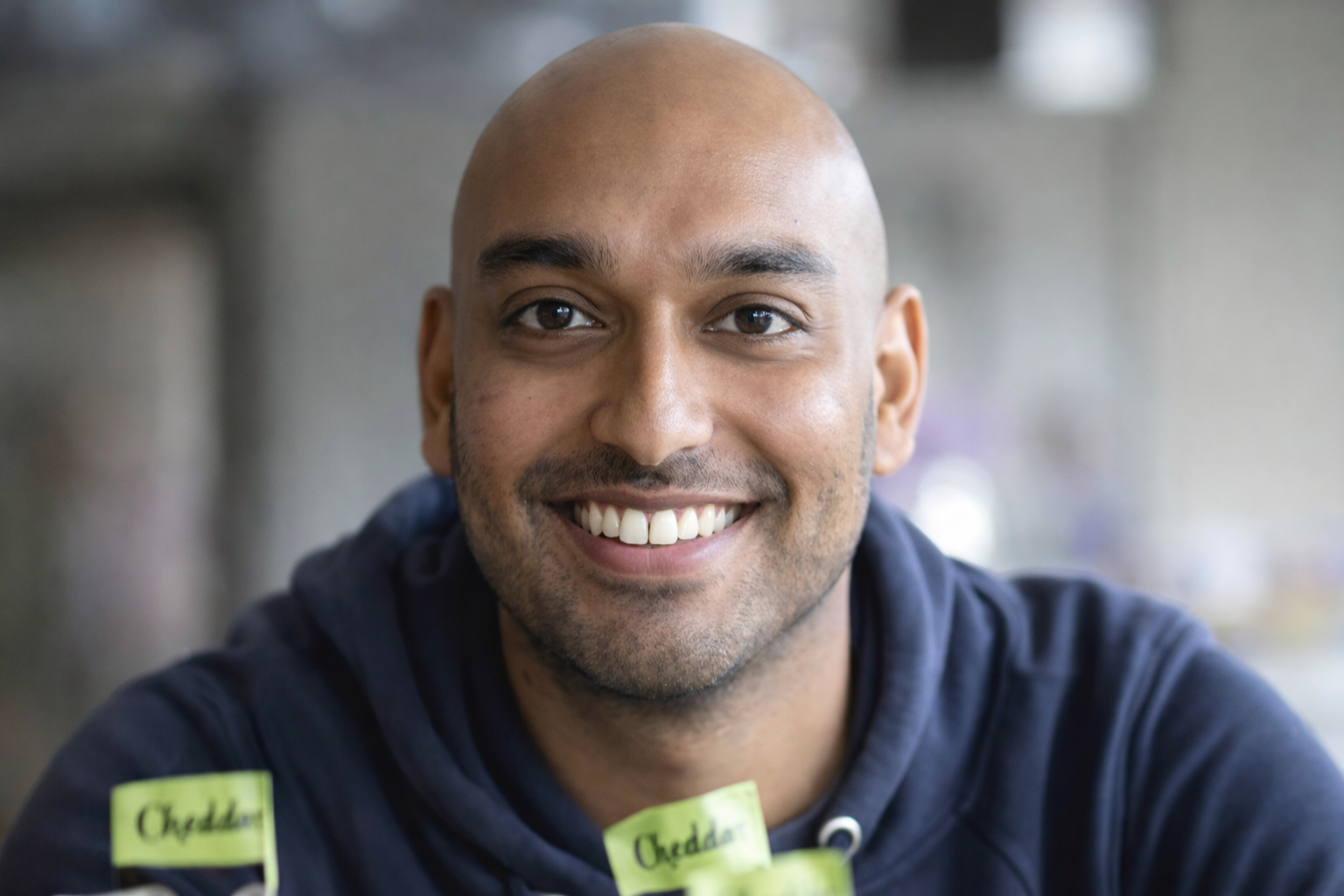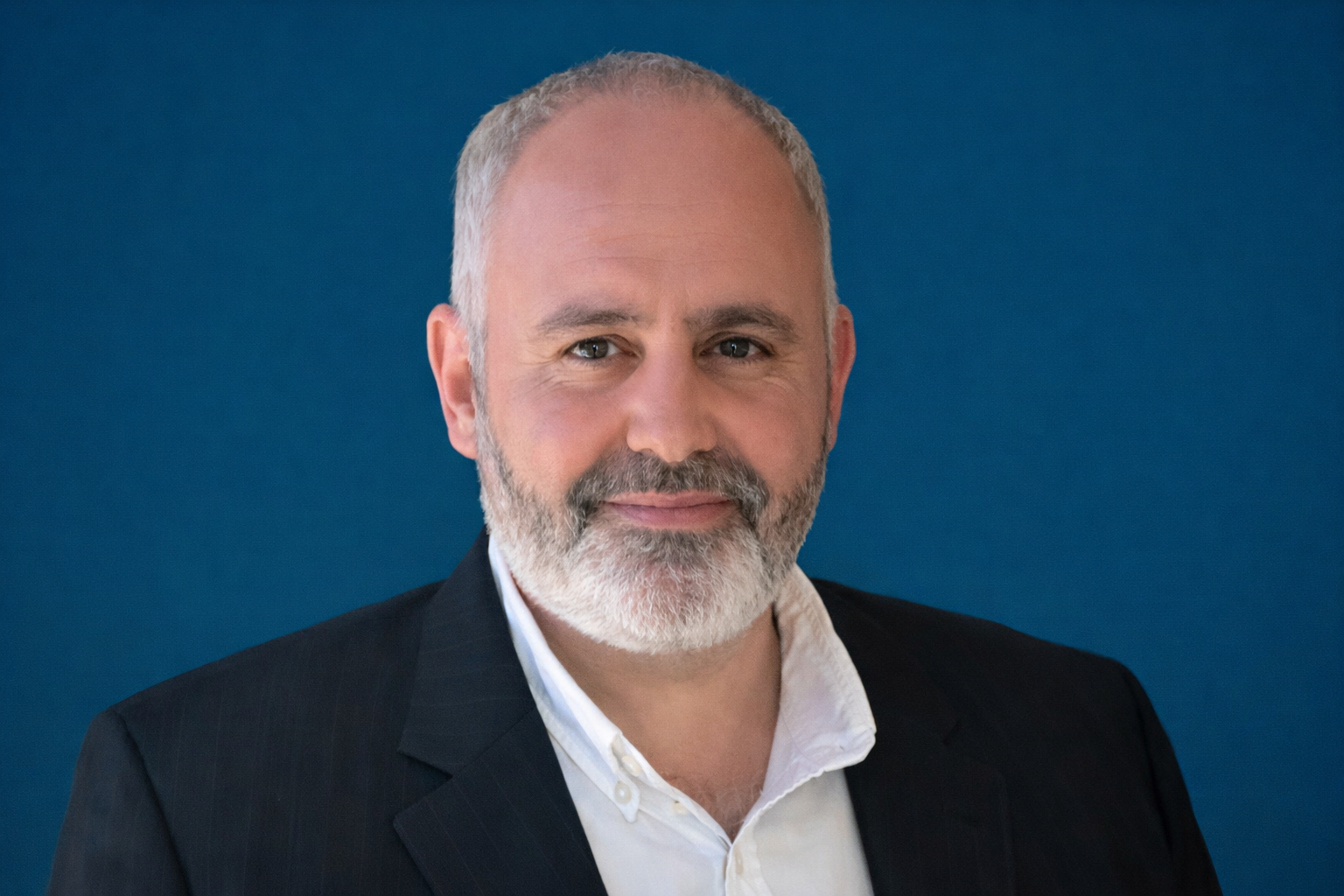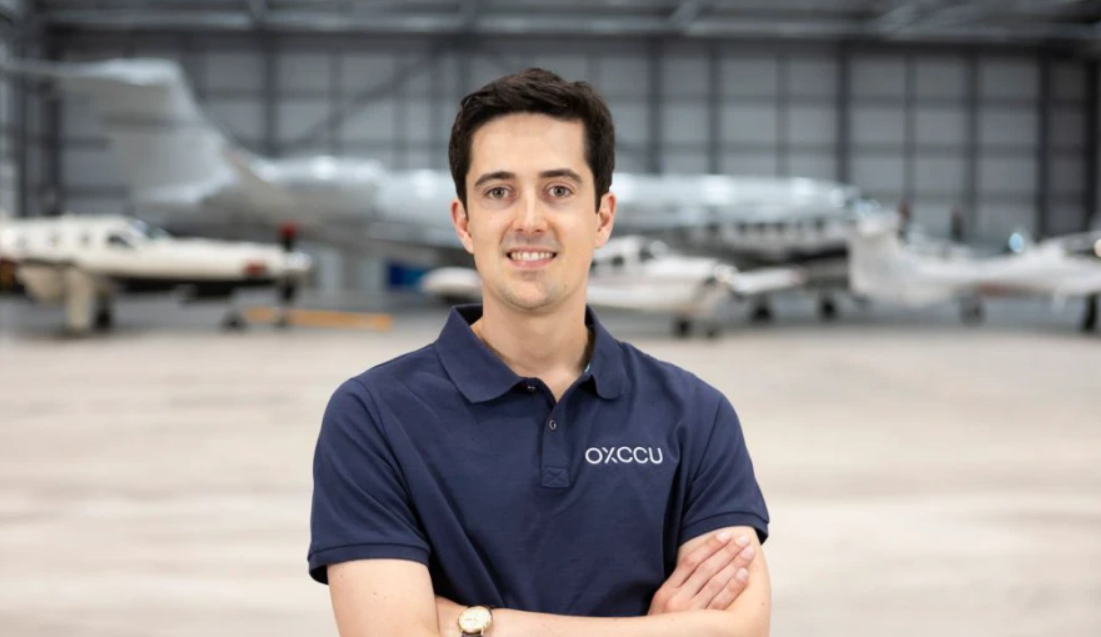
Martin Sokk did not step into fintech to build something flashy for the sake of attention. The bigger idea behind Lightyear was much more practical than that. He and co-founder Mihkel Aamer looked at the investing experience in Europe and saw a market full of friction. Fees were often hard to understand, access to global markets felt patchy, and many platforms still seemed built for people willing to tolerate complexity rather than everyday investors who simply wanted a better way to grow their money.
That gap became the starting point for Lightyear.
What makes Martin Sokk’s story interesting is that it is not built around one lucky break or one big announcement. It is a story of product thinking, timing, and steady execution. From his earlier experience at Wise to helping Lightyear grow across Europe, Sokk has been part of a fintech journey that feels grounded in a real problem. By 2025, that journey had reached a major milestone when Lightyear crossed $1 billion in customer assets. Add a $23 million Series B and wider recognition in 2026, and it becomes clear why Martin Sokk and Lightyear are being watched so closely.
Martin Sokk’s Background Before Lightyear
Before Lightyear became one of the more talked-about names in European fintech, Martin Sokk had already built a strong foundation in product and finance. He was known as Wise’s first product person, which matters because Wise itself became one of the clearest examples of a company improving a financial service people had tolerated for far too long.
That experience seems to have shaped how Sokk looks at financial products. At Wise, the lesson was simple but powerful: if a system is expensive, confusing, or unfair, there is room to build something much better. It is easy to see how that mindset carried over into Lightyear.
Instead of approaching investing as a prestige market built for insiders, Sokk looked at it like a product problem. Why was it still harder than it should be for Europeans to access markets? Why did investors still have to deal with messy user experiences, scattered tools, and fees that often felt out of step with what modern customers expected?
Those questions gave Lightyear its starting point.
The Problem Martin Sokk Wanted to Solve
When Martin Sokk and Mihkel Aamer began working on the idea in 2020, they were not chasing a vague fintech trend. They had a very specific frustration in mind. Investing in Europe still felt broken.
For many users, the problem was not a lack of interest in investing. It was the experience itself. People were dealing with confusing interfaces, expensive foreign exchange costs, limited access to international stocks and ETFs, and too many barriers between the user and the actual goal of building wealth over time.
That matters because retail investing had already started becoming more mainstream. More people wanted access to global markets, more people cared about long-term investing, and more people were paying attention to their financial future. Yet a lot of platforms still felt stuck in an older era.
Lightyear entered that gap with a much cleaner promise. Make investing feel simpler, fairer, and more accessible for European users.
How the Idea for Lightyear Took Shape
The origin of Lightyear has a straightforward quality that makes the story even stronger. Martin Sokk and Mihkel Aamer reconnected, started talking seriously about the state of investing in Europe, and quickly realised they shared the same view. The system was not working as well as it should.
That kind of founder alignment matters more than people sometimes think. Great companies often begin when two people see the same problem clearly enough that they cannot ignore it. In this case, the opportunity was not to build just another investing app. It was to build a genuinely pan-European investment platform.
That was a big ambition from the start. Europe is not one simple market. It comes with different countries, regulations, tax systems, languages, and customer expectations. Building something that could work across those realities meant Lightyear needed more than a sleek interface. It needed a strong product philosophy and serious operational discipline.
Sokk’s role in that early stage was important because he was not just selling a vision. He was helping shape the kind of platform that could turn that vision into something usable at scale.
Building Lightyear Around Simplicity and Access
One of the clearest reasons Lightyear gained traction is that it focused on making the investing experience feel less intimidating and more practical.
That sounds obvious, but it is surprisingly difficult to do well in financial technology. A lot of fintech companies talk about accessibility while still leaving users with cluttered dashboards, opaque pricing, or features that feel more impressive in a pitch deck than useful in real life.
Lightyear took a different route. It leaned into simple design, fairer pricing, and a product experience built around how normal investors actually behave. Multi-currency investing became an important part of that. So did broader access to stocks, ETFs, and investing tools that helped people make more informed decisions without drowning them in noise.
This is where Martin Sokk’s product background becomes especially relevant. The company’s growth story is not just about expansion. It is about building trust through usability. In investing, trust does not only come from regulation or branding. It also comes from whether the product feels transparent, intuitive, and consistent over time.
Martin Sokk’s Role in Turning Vision Into Product
Every startup talks about vision, but not every founder knows how to turn a big idea into a product people actually want to keep using. That is where Martin Sokk appears to have made a real difference.
His leadership at Lightyear has been closely tied to product development, user experience, and the bigger challenge of building across borders. He was not simply trying to make Lightyear look modern. He was trying to make it useful enough that investors would stay, trust the platform, and grow with it.
That is a harder job than it sounds.
Fintech founders have to balance speed with credibility. Move too slowly, and the market moves on. Move too fast without strong foundations, and customer trust starts to crack. Lightyear’s progress suggests Sokk understood that balance well. The platform kept adding useful features while also expanding into new markets, which is exactly the kind of combination that pushes a startup from early promise into serious traction.
Lightyear’s Expansion Across Europe
One of the biggest signs that Lightyear was moving beyond startup hype came when it launched in 19 European countries in 2022. That was a major step because it showed the company was serious about becoming more than a local or niche investing platform.
For a business built around the idea that Europe deserved a better investing experience, broad expansion was not just a growth tactic. It was proof that the mission had real shape.
Later, that footprint became even more impressive. By 2025, Lightyear was operating in 25 countries and 10 languages. That kind of reach matters because it turns the company’s original promise into something concrete. Lightyear was no longer just talking about cross-border investing. It was actively building for users across a fragmented and complicated European landscape.
That expansion also strengthened the company’s position in the wider fintech conversation. In a crowded market, being clearly pan-European gave Lightyear a sharper identity.
The Features That Helped Lightyear Gain Momentum
Growth stories become more believable when you can point to the product choices behind them. Lightyear’s rise was not built on expansion alone. The platform kept adding features that made it more useful for both new and experienced investors.
The company expanded its instrument universe, added new stock markets, and built out features such as fractional investing for European stocks and funds. It also introduced products like Cash ISA and Stocks and Shares ISA after FCA approval, along with business investment accounts in multiple markets.
That matters because it shows Lightyear was not sitting still after finding product-market fit. It kept improving the platform in ways that widened its appeal.
Another notable move was bringing access to money market fund products managed by BlackRock in a way that felt more accessible to everyday investors. Normally, those kinds of options can feel distant from retail users. Making them easier to reach fit neatly with Lightyear’s broader brand promise.
The overall pattern is clear. Lightyear grew by steadily reducing friction. Better access, more markets, clearer tools, and practical investing features all helped the company build momentum.
From Early Growth to a $1 Billion Customer Asset Milestone
Crossing $1 billion in customer assets is the kind of number that changes how people look at a company.
It is not just a headline figure. It is a sign of trust.
In fintech, especially in investing, customer asset growth says something deeper than app downloads or social media attention. It suggests people are not only signing up. They are committing real money, staying engaged, and seeing the platform as credible enough to use for serious financial goals.
For Martin Sokk and Lightyear, reaching that milestone in roughly three years gave the company a different level of legitimacy. It showed that the original bet was working. European investors were responding to a platform that aimed to be simpler, lower cost, and more aligned with how modern users want to invest.
It also highlighted the strength of execution. Plenty of startups have a compelling idea. Far fewer translate that idea into a product people trust with their assets at scale.
How Funding Helped Lightyear Push Further
The funding story around Lightyear is important, but not because funding alone proves success. What matters more is what that funding says about investor confidence.
In July 2025, Lightyear announced a $23 million Series B led by NordicNinja, bringing total funding to $58 million. That round arrived alongside the company’s $1 billion customer asset milestone and its wider European expansion, which made the story feel much stronger than a standard fundraising announcement.
Investors were not backing a concept on paper. They were backing visible traction.
That distinction matters. By the time of the Series B, Lightyear had already shown that it could expand across countries, localise across languages, keep improving the product, and attract serious customer trust. Funding in that context becomes fuel for the next phase rather than validation of something still unproven.
For Sokk, the raise also reinforced his credibility as a founder who could connect vision with execution. He was helping lead a company that not only sounded relevant in the European fintech space, but also looked increasingly durable.
Why Martin Sokk’s Leadership Story Stands Out
There are plenty of startup founders who can tell a compelling story. Martin Sokk’s edge seems to come from building around a genuine user problem rather than chasing attention.
That makes his leadership style feel more grounded. Lightyear’s journey does not read like a company trying to manufacture momentum. It reads like a company that kept solving the next practical problem in front of it. Improve access. Expand the product. Enter more markets. Keep fees fair. Make the user experience cleaner. Build features that help retention and trust.
That kind of leadership often travels further than louder founder branding. It tends to create businesses with stronger staying power.
Sokk also stands out because his work sits at the intersection of fintech infrastructure, consumer usability, and cross-border growth. That is not an easy mix to manage. Yet it is exactly where Lightyear has been trying to win.
Recognition That Confirmed Lightyear’s Rise
Public recognition usually matters most when it arrives after real progress, and that is what happened in 2026 when Martin Sokk and Mihkel Aamer were named EY Estonia’s Entrepreneur of the Year.
Awards alone do not build great companies, but they often reflect how a company is being viewed after years of disciplined work. In this case, the recognition added another layer to the Lightyear story. It suggested that what the founders had built was not only gaining customer traction, but also earning wider respect in the business world.
That matters because Lightyear’s success is not just about one product or one funding round. It is about establishing itself as a meaningful European fintech business with real staying power.
What Other Founders and Fintech Builders Can Learn From Lightyear
The story of Martin Sokk and Lightyear offers a few lessons that go beyond fintech.
First, starting with a real customer pain point still matters more than trying to force a trend. Lightyear was built around a clear frustration that many European investors already felt.
Second, product clarity is a competitive advantage. In crowded markets, the companies that win are often the ones that make complicated tasks feel manageable.
Third, scale works better when it stays tied to trust. Lightyear’s milestones mean more because they are not just about reach. They are about people trusting the platform with real assets.
And finally, ambition does not have to sound dramatic to be powerful. Lightyear’s vision was big from the beginning, but its progress came through steady execution rather than oversized promises.
Why Lightyear’s Growth Story Still Matters
Martin Sokk’s success with Lightyear stands out because it reflects a larger shift in European retail investing. Investors now expect better technology, fairer pricing, broader access, and a smoother user experience. They do not want to feel locked into outdated systems just because that is how the industry has always worked.
Lightyear’s rise shows what can happen when a company takes that expectation seriously.
From the early idea in 2020 to expansion across 25 countries, from product-led growth to the $1 billion customer asset milestone, Martin Sokk helped build something that feels closely tied to where the market is going next. That is why his story is worth paying attention to. It is not only about startup success. It is about helping reshape what modern investing in Europe can look like.