




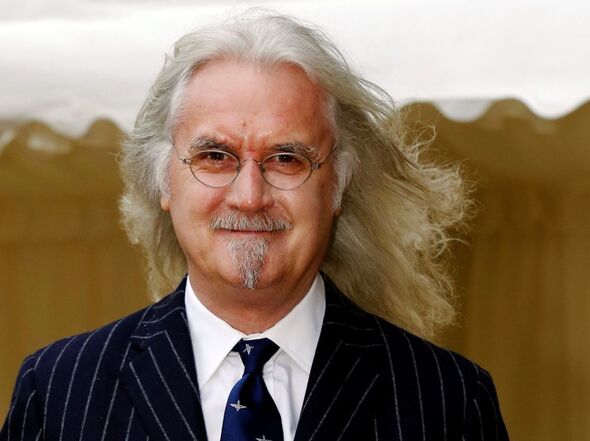
Interest in Billy Connolly net worth has never really faded, even as he stepped back from the relentless pace of touring and television. That curiosity isn’t driven by flashy displays of wealth or sudden viral fame. It exists because Billy Connolly represents something rare in entertainment: a career built slowly, honestly, and over many decades, where success compounded through consistency rather than explosion.
Billy Connolly didn’t arrive on the global stage fully formed, nor did money follow him early on. His wealth story mirrors his life story—rooted in working-class reality, shaped by risk, and sustained by authenticity. Understanding how his net worth was built means looking beyond headline figures and into the long arc of comedy, touring, acting, writing, and legacy.
Who Is Billy Connolly?
Early life and working-class roots
Billy Connolly was born and raised in Glasgow, a city that left a permanent mark on his voice, perspective, and comedic style. His childhood was not easy. He grew up in poverty, experienced instability, and learned early what it meant to scrape by. These experiences weren’t just background details—they became the emotional engine of his comedy.
Money was never abundant in his early life, and the idea of wealth felt distant, almost irrelevant. Survival, humor, and observation mattered more. That grounding would later influence how he handled success, avoiding the excesses that derail many entertainers.
Life before comedy
Before comedy entered the picture, Connolly worked in shipyards and other labor-intensive jobs. These roles paid little and offered limited future prospects, but they gave him material—stories, characters, frustrations, and truths that later fueled his stand-up.
Financially, this period was defined by instability. There were no savings, no investments, and certainly no safety net. Choosing to leave steady labor for creative uncertainty was a major risk, one that delayed financial security but ultimately reshaped his entire life.
Billy Connolly Net Worth
Estimated net worth overview
Billy Connolly’s net worth is commonly estimated to be between $15 million and $20 million. These figures reflect decades of income from live comedy tours, television specials, film roles, writing projects, and long-term royalties.
Unlike modern entertainers whose earnings spike quickly, Connolly’s wealth grew gradually. There was no single year where his fortune doubled overnight. Instead, it accumulated through repetition—tour after tour, show after show, project after project.
Why estimates vary
Net worth estimates differ because:
- Touring income fluctuated year to year
- Acting fees varied by role and market
- Royalties and residuals are private
- Property holdings are not fully public
What’s consistent across estimates is that his wealth was earned steadily, not speculatively.
Lifetime earnings versus retained wealth
Billy Connolly earned far more across his lifetime than his current net worth suggests. Touring costs, management fees, taxes, and living expenses all reduced take-home figures. What remains today reflects not just income, but discipline—money kept, not just money made.
Early Career: Folk Music, Clubs, and Modest Earnings
Starting out as a musician
Connolly’s first step into performance wasn’t stand-up comedy, but folk music. Performing in clubs and small venues, he earned little, often barely enough to get by. Music brought creative fulfillment but limited financial return.
At this stage, entertainment was a passion, not a business. There were no lucrative contracts, no agents negotiating fees—just performance and survival.
Transition into stand-up comedy
Comedy emerged organically, often between songs or through storytelling. Audiences responded immediately. What began as improvisation turned into a calling. Early comedy gigs, however, paid poorly.
Club performances offered exposure rather than income. The value lay in reputation, not money. Connolly accepted that trade-off, unknowingly laying the foundation for future wealth.
Breakthrough Years and Rising Income
National recognition
Television appearances in the UK changed everything. Suddenly, Connolly’s voice reached millions. With exposure came demand, and with demand came better pay.
National recognition didn’t instantly make him wealthy, but it shifted the economics of his career. Fees increased. Venues grew larger. Tours became viable income sources rather than financial gambles.
Touring as a major income driver
Touring became the backbone of Billy Connolly’s net worth. Live comedy, especially for performers with loyal audiences, can be extremely lucrative. Ticket sales, merchandise, and repeat bookings created reliable cash flow.
Unlike recorded media, touring income is immediate. Each show directly contributes to earnings, making it a powerful engine for wealth when sustained over years.
Peak Comedy Years and Global Success
International tours and sold-out shows
As Connolly’s reputation spread beyond the UK, international tours followed. Performing in the US, Australia, and Europe expanded both his audience and his earning potential.
International touring commands higher fees but also higher costs. Travel, logistics, and extended schedules eat into profits, but the net result was still substantial income growth.
Comedy specials and broadcast deals
Televised specials added another revenue stream. Networks paid for broadcast rights, and repeat airings generated additional income. These recordings also preserved his work, extending its earning life.
Specials bridged the gap between live performance and passive income, strengthening his financial base.
Acting Career and Financial Expansion
Film and television roles
Acting introduced Billy Connolly to a different financial structure. Film and television roles often pay upfront fees rather than ongoing performance income. These roles diversified his earnings and reduced reliance on touring.
While acting was never his primary identity, it played a meaningful role in his net worth.
Hollywood and international projects
Working in international productions exposed Connolly to higher budgets and broader audiences. Pay structures differed significantly from UK television, often offering larger one-time fees.
Acting income didn’t replace touring income, but it supplemented it effectively, smoothing out fluctuations.
Royalties, Licensing, and Long-Term Income
Comedy specials and reruns
Even after stepping back from active performance, Connolly continues to earn from past work. Television reruns, streaming platforms, and licensed content generate residual income.
These payments are smaller individually but powerful collectively, especially when content remains in demand.
Books, audio, and media rights
Connolly’s writing—books, spoken-word recordings, and autobiographical projects—added another layer of income. Publishing royalties provide long-term returns, particularly when tied to a well-known public figure.
Audio recordings of stand-up performances also extend earning potential without requiring new work.
Lifestyle, Spending, and Financial Choices
Managing wealth over time
Billy Connolly never cultivated an image of excess. His lifestyle remained relatively grounded, even at the height of success. This restraint helped preserve wealth.
Avoiding dramatic lifestyle inflation meant that higher earnings translated into long-term security rather than temporary indulgence.
Property and personal assets
Property investments played a role in stabilizing his finances. Real estate offers tangible value and long-term appreciation, especially for entertainers seeking security beyond performance income.
Property ownership also provided geographic flexibility as his career evolved.
Health, Retirement, and Financial Security
Slowing down touring
Health considerations eventually reduced Connolly’s ability to tour. Touring is physically demanding, especially stand-up, which requires constant travel and high energy.
Financially, stepping back from touring could have been disruptive. However, decades of accumulated income and passive streams softened the impact.
Passive income in later years
Royalties, licensing, and residuals now form the core of his income. These streams allow financial stability without active work, a critical factor in maintaining net worth during retirement.
His career planning—intentional or not—ensured sustainability.
Public Image, Legacy, and Cultural Value
Influence on comedy
Billy Connolly’s influence extends far beyond finances. He reshaped storytelling comedy, blending vulnerability with observational humor. That influence keeps his work relevant.
Cultural relevance protects financial value by maintaining demand for classic material.
How legacy protects income
Legacy performers often earn long after they stop working. Connolly’s status ensures continued interest in his catalog, sustaining royalties and licensing opportunities.
Legacy, in this sense, becomes an economic asset.
Comparing Billy Connolly’s Net Worth to Other Comedy Legends
Context among stand-up icons
Compared to comedians who focused heavily on film or television, Connolly’s wealth leans more toward touring and live performance. Each path carries different financial dynamics.
Touring requires endurance but offers direct income control. Media-heavy careers rely more on contracts and residuals.
What makes his wealth story unique
Connolly’s net worth stands out because it was built:
- Without chasing trends
- Without overexposure
- Without abandoning authenticity
Longevity, not volume, defined his success.
Current Financial Standing and Ongoing Income
Present-day earnings
Today, Billy Connolly earns primarily from:
- Royalties
- Licensing
- Media use of archived work
Active performance is no longer necessary for financial stability.
Long-term financial outlook
The enduring appeal of his work suggests continued income for years to come. Estate planning and intellectual property management ensure that his catalog remains valuable.
His net worth reflects not just past success, but future security.
Billy Connolly’s net worth is not a story of overnight wealth or commercial calculation. It is the financial outcome of a lifetime spent telling stories honestly, performing relentlessly, and staying grounded despite fame. His wealth was built the same way his comedy was built—slowly, deliberately, and with a deep understanding of people.