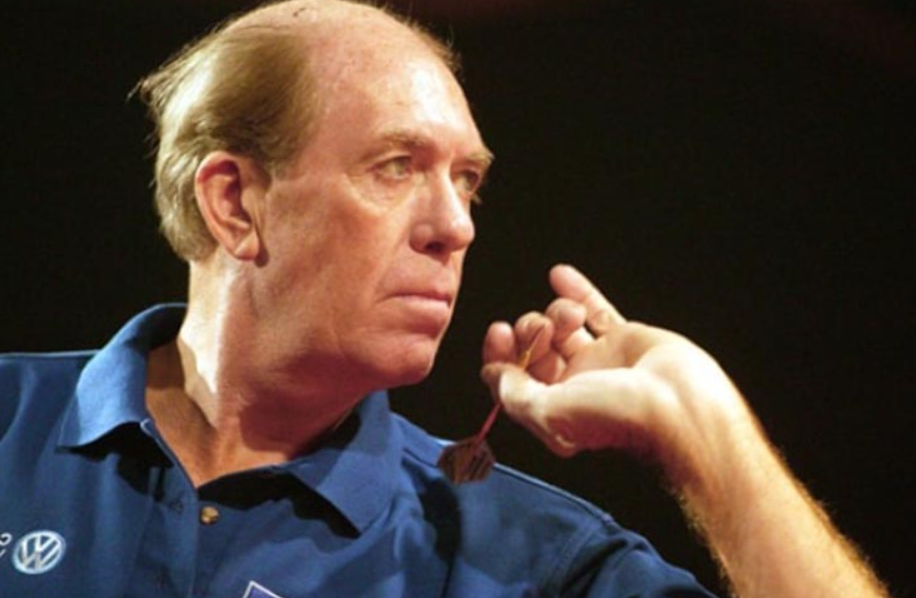






Bruce Welch belongs to a generation of musicians whose careers were built long before streaming platforms, social media, and viral hits. His success came from decades of consistent work, timeless music, and a deep understanding of how the industry really works. As a founding member of one of Britain’s most influential instrumental bands, his name remains closely tied to the sound that shaped early rock and roll in the UK.
Interest in Bruce Welch net worth isn’t driven by flashy headlines or sudden fame. Instead, it comes from curiosity about how musicians from the classic era earned, preserved, and grew wealth over a lifetime. Welch’s career offers a clear example of how royalties, songwriting credits, touring income, and music rights can quietly build substantial long-term value. His story is less about instant riches and more about endurance, ownership, and legacy.
Who Is Bruce Welch?
Bruce Welch is a British guitarist, songwriter, producer, and singer best known as a core member of The Shadows. Born in England, he developed a passion for music early in life, gravitating toward guitar at a time when rock and roll was still finding its footing in Britain.
Unlike many artists who chase trends, Welch focused on mastering his craft. His musical influences ranged from early rock pioneers to jazz and pop, which helped shape a versatile playing style. This adaptability later proved essential as musical tastes evolved.
Welch’s role in The Shadows went beyond simply playing rhythm guitar. He was deeply involved in songwriting, arranging, and shaping the band’s musical direction. That involvement would later become one of the most important factors behind his long-term financial success.
Forming a Musical Identity
Before fame arrived, Bruce Welch spent years refining his sound and building relationships within the music scene. Early bands and collaborations gave him practical experience, teaching him how live performance, recording sessions, and songwriting all worked together.
Meeting like-minded musicians was a turning point. Those connections eventually led to the formation of a band that would become one of the most commercially successful instrumental acts in British history. Welch’s ability to balance creativity with professionalism helped establish a strong foundation for what followed.
Bruce Welch Net Worth
Estimates place Bruce Welch net worth in the range of £10 million to £15 million, though exact figures are difficult to confirm. Like many legacy musicians, much of his wealth is tied to long-term royalty streams rather than visible salaries or one-off payments.
What makes Welch’s net worth particularly interesting is how it accumulated slowly and steadily. Instead of relying on brief periods of peak popularity, his income grew over decades through songwriting, publishing rights, touring, and catalog value.
For musicians of his era, financial success depended heavily on ownership and longevity. Welch benefited from both.
How His Wealth Accumulated Over Decades
In the early years, income primarily came from live performances and record sales. As The Shadows’ popularity grew, so did earnings from tours and chart success. However, the real compounding effect came later through royalties.
Unlike touring income, royalties don’t stop when performances slow down. Songs continue to generate revenue long after their release, especially when they become part of cultural history. Welch’s career demonstrates how patience and consistency can create lasting financial security.
The Shadows Era and Commercial Success
The Shadows emerged at a time when instrumental music had massive appeal. Their clean guitar sound, strong melodies, and tight arrangements made them instantly recognisable. Bruce Welch played a key role in shaping that identity.
As the band gained momentum, chart success followed. Multiple hit singles and albums established The Shadows as a household name, not only in the UK but internationally. That popularity translated into strong financial returns during their peak years.
Touring schedules were demanding, but live performances generated significant income. At the height of their success, concerts, record sales, and media appearances created a steady financial pipeline.
Touring, Record Sales, and Performance Income
Live performances were a major income source during the band’s most active years. Concert tickets, merchandise, and international tours added to earnings, especially as the band’s reputation grew.
Record sales also played a critical role. Physical album sales in the pre-digital era could generate substantial revenue, particularly for artists with consistent chart presence. The Shadows’ catalog sold millions of records worldwide, creating both immediate and long-term income.
Songwriting Credits and Publishing Royalties
One of the most important contributors to Bruce Welch’s net worth is songwriting. Songwriting credits often generate more reliable long-term income than performance fees.
Publishing royalties are earned whenever a song is played publicly, broadcast on radio, streamed, or covered by another artist. For musicians who hold or share publishing rights, this income can continue indefinitely.
Welch’s involvement in writing and arranging music ensured he benefited from this system. Over time, publishing income became a cornerstone of his financial stability.
Royalties From Covers, Reissues, and Licensing
As music from The Shadows continued to be rediscovered by new audiences, additional revenue streams opened up. Reissued albums, compilation releases, and remastered recordings brought renewed attention to the catalog.
Licensing music for films, television shows, and advertisements also contributed to ongoing income. Even brief uses of classic songs can generate meaningful royalty payments, especially when usage occurs internationally.
Cover versions by other artists further extended the life of the catalog, creating additional publishing revenue without any new recording costs.
Solo Work and Side Projects
Beyond his work with The Shadows, Bruce Welch pursued solo projects that allowed greater creative freedom. Solo albums and independent collaborations added to his body of work and diversified his income.
While solo projects rarely matched the commercial scale of The Shadows, they contributed steady returns and reinforced his reputation as a versatile musician. These projects also ensured continued relevance during periods when the band was less active.
Financially, solo work supplemented royalty income and maintained engagement with audiences.
Production, Arranging, and Behind-the-Scenes Work
Bruce Welch also worked behind the scenes as a producer and arranger. These roles often go unnoticed by the public but can be financially rewarding.
Production work typically involves upfront fees as well as potential royalty participation, depending on contract structure. For experienced musicians, these roles provide income opportunities without the physical demands of touring.
Behind-the-scenes contributions extended Welch’s earning years and allowed him to remain active in the industry even as performance schedules slowed.
Music Rights Ownership and Long-Term Value
Music rights ownership is one of the most powerful wealth-building tools in the industry. Owning rights to recordings and compositions allows artists to benefit from every new format and platform that emerges.
As streaming became dominant, older catalogs gained new life. Classic songs often perform well on streaming platforms because they appeal across generations. This resurgence has increased the value of many legacy catalogs.
Welch’s involvement in rights ownership ensured his work continued to generate income in the digital age, even decades after initial release.
Television, Radio, and Media Appearances
Throughout his career, Bruce Welch made appearances on television and radio, contributing to interviews, documentaries, and retrospectives. While these appearances were not always highly paid, they reinforced public awareness.
Media exposure plays an indirect financial role. Increased visibility can drive catalog sales, streaming activity, and licensing interest. For legacy artists, staying visible helps keep their music commercially active.
Such appearances also strengthen cultural legacy, which indirectly supports long-term income.
Touring Later in Life and Select Performances
As Welch grew older, touring became more selective. Rather than extensive schedules, performances were carefully chosen for significance and value.
Legacy performances often command premium pricing. Audiences are willing to pay more for rare appearances by artists who shaped music history. These performances generate meaningful income with less physical strain.
Selective touring allowed Welch to remain active without overextending himself.
Expenses, Management, and Industry Changes
Music careers come with expenses that evolve over time. Early on, costs include touring, recording, and promotion. Later, management fees, legal costs, and rights administration become more prominent.
The music industry changed dramatically during Welch’s career. From vinyl to CDs to streaming, each shift altered revenue models. Artists who adapted, particularly those with rights ownership, were better positioned financially.
Navigating these changes successfully helped protect Welch’s long-term wealth.
Lifestyle, Assets, and Financial Choices
Bruce Welch has never been known for extravagant displays of wealth. His lifestyle reflects stability rather than excess, which aligns with how his income was generated.
Assets such as property, savings, and investment portfolios likely form part of his net worth. These assets provide security beyond music income and help preserve wealth for future generations.
A conservative financial approach often benefits artists with long careers, reducing risk and ensuring sustainability.
Is Bruce Welch Financially Conservative or Opportunistic?
Welch’s career suggests a conservative, long-term mindset. Rather than chasing trends, he focused on rights ownership, steady work, and protecting his catalog.
This approach may not produce sudden spikes in wealth, but it creates dependable income. Over decades, that consistency becomes extremely valuable.
His financial choices reflect an understanding that music careers are marathons, not sprints.
Comparing Bruce Welch to Other Classic Rock Musicians
Not all classic rock musicians enjoyed the same financial outcomes. Differences in contracts, rights ownership, and business awareness created wide disparities.
Musicians who retained publishing rights and participated in decision-making tended to fare better financially. Welch’s involvement in songwriting and production placed him in a stronger position than many peers.
Compared to artists who relied solely on performance income, his wealth has proven more resilient.
Why Bruce Welch’s Net Worth Still Gets Attention
Public interest in Bruce Welch net worth reflects broader curiosity about how classic musicians earned money before modern streaming. Fans want to understand how artists sustained careers over decades without today’s digital tools.
His financial success challenges the idea that only modern pop stars earn significant wealth. It highlights how longevity, ownership, and consistency can rival short-term fame.
The enduring popularity of classic rock keeps these questions relevant.
What His Career Shows About Building Wealth Through Music
Bruce Welch’s career offers valuable lessons for musicians across generations. Songwriting, rights ownership, and long-term planning matter as much as performance talent.
Wealth in music often comes quietly, accumulating over years rather than exploding overnight. Welch’s story shows that building a legacy can be just as financially rewarding as chasing trends.
Ultimately, Bruce Welch net worth represents more than money. It reflects decades of creative work, smart decisions, and an understanding of how music can continue to generate value long after the spotlight fades.