



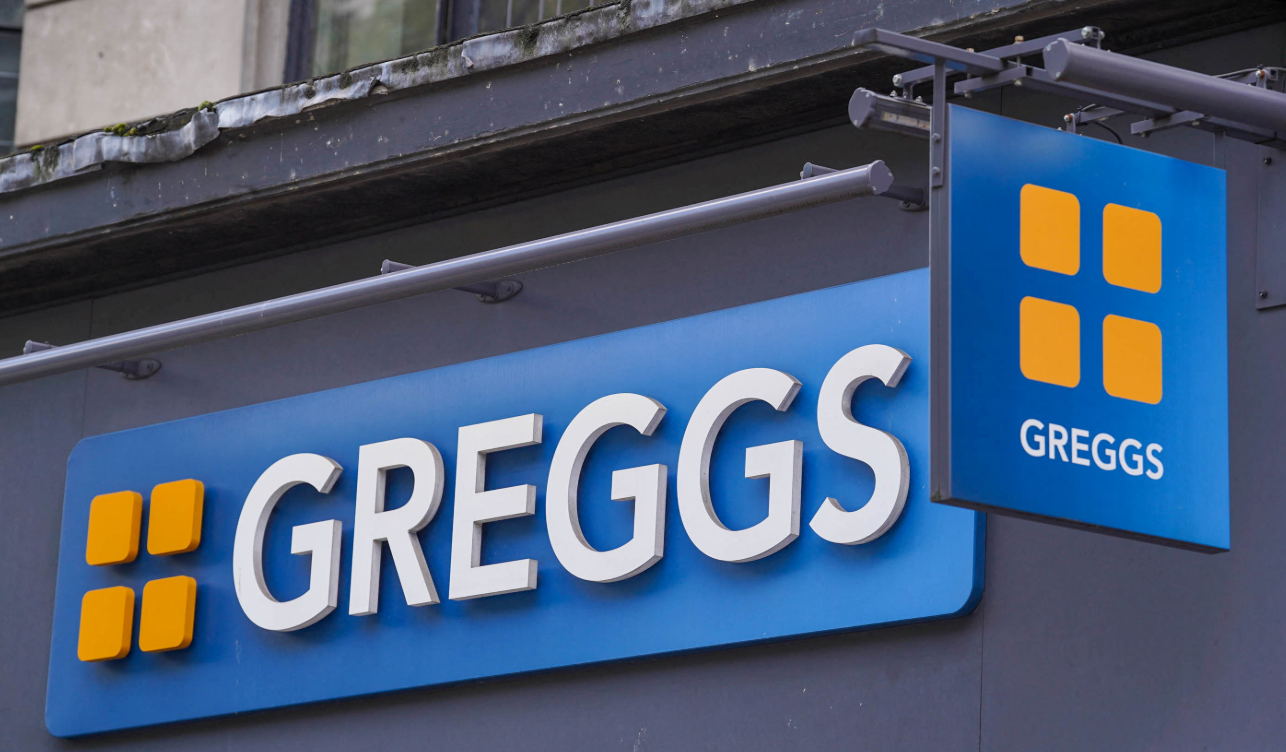
There is something almost improbable about Greggs’ status in British culture. A bakery chain that sells sausage rolls, steak bakes, and yum yums has somehow become one of the most talked-about brands in the country — a genuine cultural institution with devoted fans, a social media presence that punches well above its weight, and a market valuation that puts many more glamorous businesses firmly in the shade. But what is Greggs actually worth, and how did a Newcastle-based baker become a billion-pound British brand?
What Is Greggs Net Worth?
Greggs is a publicly listed company on the London Stock Exchange, which means its market capitalisation is available for anyone to check. As of recent years, Greggs’ market value has fluctuated in the range of £2 billion to £3 billion, making it a genuinely significant company by any measure. Its revenue — total sales — has exceeded £1.5 billion annually in recent years, reflecting the sheer scale of its operation across the UK.
To be clear: when people ask about Greggs’ net worth, they’re usually asking about the company’s overall value rather than any individual’s fortune. Greggs is a public company owned by its shareholders, with no single controlling individual. The founder’s family has not retained a dominant stake, and the business has long since transitioned to professional management and institutional ownership.
The History of Greggs: Where It Started
Greggs was founded in 1939 by John Gregg, who ran a bakery in Gosforth, Newcastle. The business was a classic local baker — making and selling fresh bread and pastries to the surrounding community. After the Second World War, John Gregg’s son Ian joined the business and began the expansion that would eventually transform a local bakery into a national institution.
The key moment in Greggs’ transformation came in the 1960s, when the business began acquiring other bakery chains across the north of England. Rather than building new shops from scratch, Greggs grew by buying existing businesses — a strategy that accelerated expansion considerably and brought regional brands and their customer bases into the Greggs fold.
By the time the company went public on the London Stock Exchange in 1984, it was already a sizable regional chain. The following decades saw continued expansion across the UK, with Greggs eventually becoming a truly national presence — you can now find a Greggs in almost every town of any significant size in Britain, and the total number of shops has exceeded 2,000.
How Greggs Makes Its Money
The business model is straightforward in principle: Greggs makes bakery products in its own facilities and sells them through its own shops. This vertical integration — controlling both production and retail — is a significant advantage over businesses that have to buy from external suppliers. It keeps costs lower and margins higher, and it gives the company control over product quality and consistency.
The core product range has remained relatively consistent over the decades — sausage rolls, savouries, sandwiches, sweet pastries, and drinks — but Greggs has evolved the menu considerably in recent years to respond to changing consumer tastes. The introduction of a vegan sausage roll in 2019 was a particularly notable moment, generating enormous media coverage and demonstrating that the brand was capable of capturing mainstream cultural conversation as well as selling baked goods.
That vegan sausage roll moment is worth dwelling on because it illustrates something important about Greggs as a business. The product launch was simple in itself, but the coverage it generated was extraordinary — hours of broadcast media time, millions of social media posts, think pieces in national newspapers. All of it was essentially free advertising, and it came on the back of a product that cost relatively little to develop and produce. The ability to capture that kind of cultural moment is genuinely rare and commercially very valuable.
The Greggs Turnaround and Modern Business Success
Greggs went through a difficult period in the early 2010s, when rising costs, changing consumer habits, and intensifying competition from other food-to-go operators put pressure on the business. Under the leadership of Roger Whiteside, and later Roisin Currie, the company undertook a significant transformation — refitting shops, improving the food offer, extending opening hours, and investing in digital capabilities including delivery partnerships.
The results were dramatic. From a business that was struggling to keep pace with the market, Greggs transformed into one of the UK’s food retail success stories. Like-for-like sales growth became a regular feature of its results, and the share price followed, rising dramatically over the course of the transformation.
Profitability improved significantly, with operating profit margins reaching levels that compared favourably with other food-to-go operators. The business demonstrated that you don’t need to be a premium brand to be a profitable one — Greggs’ value positioning actually became a competitive advantage as consumers became more conscious of food costs.
Greggs and the Cost of Living: A Winning Formula
One of the more interesting aspects of Greggs’ recent financial performance is how the business has benefited from economic pressures that have damaged many of its competitors. When consumers are under financial pressure and looking to reduce their food spending, a brand known for value becomes more attractive rather than less. A Greggs sausage roll remains one of the most affordable hot snacks available on the British high street, and that positioning has proven resilient through multiple economic cycles.
The cost-of-living pressures that intensified in the early 2020s, far from hurting Greggs, appeared to accelerate its growth as consumers traded down from more expensive options. This counter-cyclical quality — the tendency to perform relatively well during economic downturns — is a genuinely attractive characteristic for a business and has not gone unnoticed by investors.
Greggs’ Expansion Plans and Future Valuation
The company has been explicit about its ambitions to continue growing its store count, with plans to open hundreds of additional locations across the UK in the coming years. New site formats — including drive-through locations and smaller kiosk-format shops — are extending the brand into locations that weren’t previously accessible.
Delivery partnerships with the major food delivery platforms have added another sales channel, allowing Greggs to reach customers who wouldn’t otherwise visit a physical shop. The delivery premium — customers pay more for the convenience of having food brought to them — also helps margins in a way that benefits the overall profitability of the business.
International expansion is another possible avenue for growth, though Greggs has historically been cautious about overseas moves, recognising that the brand’s distinctly British identity may not translate straightforwardly to other markets. Any international push would need to be carefully managed to maintain the authenticity that is central to the brand’s appeal.
Employee Ownership and Profit Sharing
One of the more distinctive aspects of Greggs as a business is its profit-sharing arrangement with employees. The company has a long-standing commitment to sharing a proportion of profits with its workforce, a policy that has generated goodwill internally and positive coverage externally. In years of strong performance, Greggs employees receive meaningful bonuses that reflect the company’s success.
This approach to profit sharing is relatively unusual in retail and food service, where the business model often involves maximising return to shareholders at the expense of workforce benefits. Greggs’ willingness to share the upside with its staff is consistent with the brand values it projects — approachable, decent, community-minded — and it helps with staff retention in an industry that typically struggles with high turnover.
What Greggs Is Really Worth
Greggs’ net worth, expressed as its market capitalisation, is a number that continues to evolve as the business grows and as investor sentiment shifts. But the more interesting measure of what Greggs is worth might be cultural rather than financial. It is one of the few brands in Britain that generates genuine affection — people don’t just go to Greggs out of habit or convenience, they often talk about it with real enthusiasm, defend it against criticism, and treat the sausage roll as something almost talismanic.
That emotional connection — the sense that Greggs belongs to everyone, that it is a democratic pleasure in a world full of expensive food — is worth a great deal more than any financial metric can capture. It is the kind of brand loyalty that takes decades to build and is extraordinarily difficult to replicate, which is why Greggs continues to grow while many of its competitors struggle.
From a corner bakery in Newcastle in 1939 to a billion-pound British institution, the story of Greggs is one of patient expansion, commercial intelligence, and an uncanny ability to understand what its customers actually want. That’s a recipe worth examining, whatever you think of the sausage rolls.