





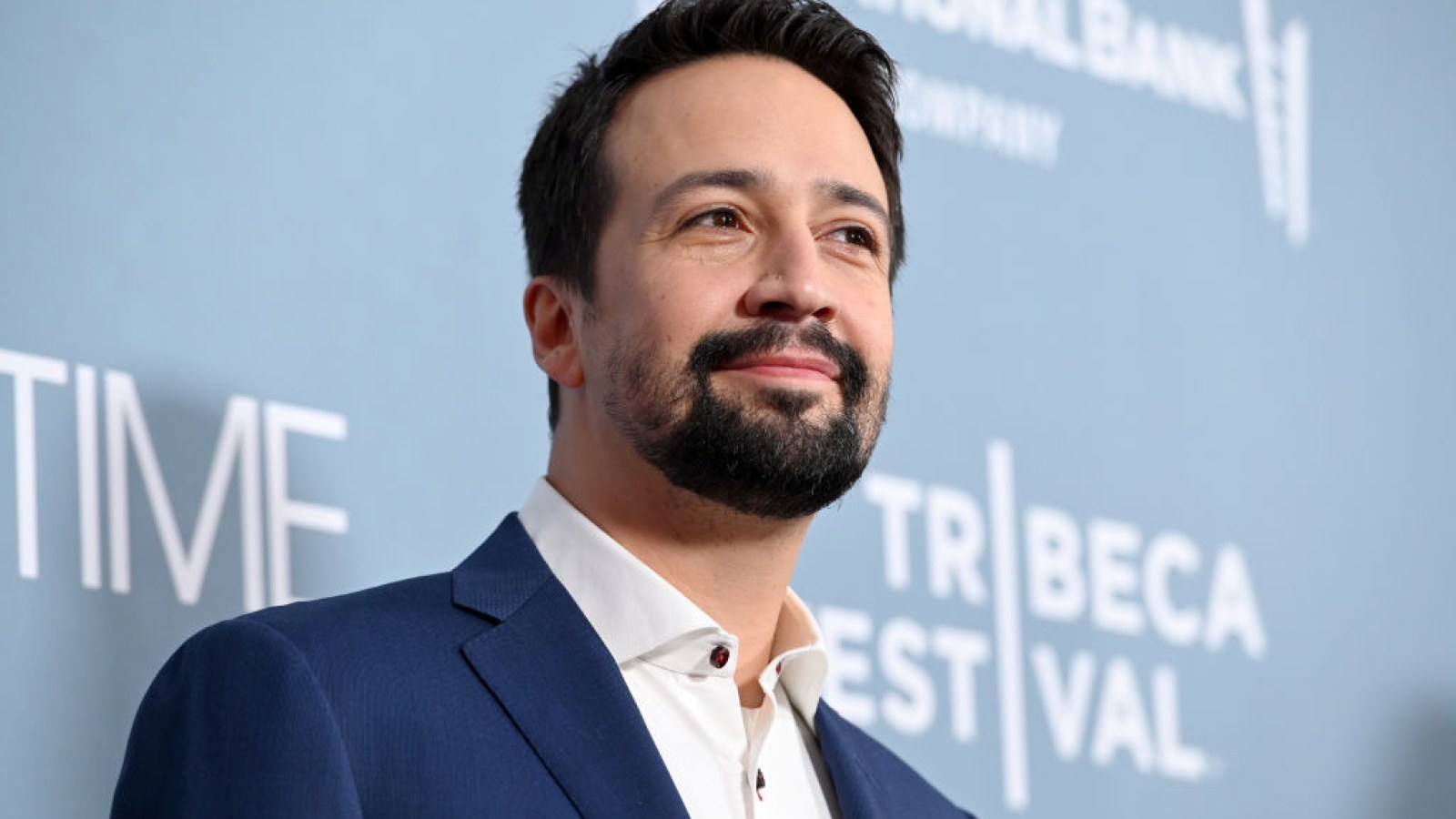
Lin-Manuel Miranda’s financial story is not the typical celebrity rise built on fame alone. His wealth didn’t come from a single blockbuster movie role or a short burst of popularity. Instead, it grew from something far more powerful: ownership of ideas. He took stories rooted in culture, history, and music, and turned them into long-lasting creative assets. When people search for Lin-Manuel Miranda net worth, they’re really trying to understand how a playwright and composer managed to reach a level of wealth usually reserved for pop stars and Hollywood executives.
What makes his journey remarkable is that it began on the stage, not the screen. Broadway has traditionally been known for prestige, not massive personal fortunes. Lin-Manuel Miranda changed that perception by proving that when you create, write, and own your work, theatre can become just as financially rewarding as film or music.
Who Is Lin-Manuel Miranda?
Lin-Manuel Miranda is an American playwright, composer, lyricist, actor, and producer who reshaped modern musical theatre. Raised in New York City by parents of Puerto Rican heritage, he grew up immersed in both Latin culture and hip-hop. That combination would later become his signature creative voice.
From an early age, Miranda showed an interest in storytelling and music. He didn’t view theatre as distant or elite. To him, it was a living, breathing form of expression that could speak directly to people like him and his community. That mindset helped him create work that felt contemporary, accessible, and emotionally honest.
Rather than chasing fame, Lin-Manuel Miranda focused on craft. He wrote, performed, revised, and rewrote, often while balancing other jobs. That dedication laid the groundwork for a career that would eventually generate extraordinary wealth.
Lin-Manuel Miranda Net Worth
When discussing Lin-Manuel Miranda net worth, most estimates place it between $80 million and $90 million, with some projections even higher depending on royalties and licensing valuations. While these numbers may fluctuate, what’s clear is that his income did not peak and fade. It continues to grow year after year.
His net worth comes from several powerful income streams:
- Broadway royalties and creator ownership
- Touring productions and international licensing
- Film and television acting roles
- Writing, composing, and producing credits
- Major studio partnerships, including Disney
- Streaming and filmed stage productions
What separates his wealth from many entertainers is that much of it is passive. Even when he is not actively performing, his work continues generating income across the globe.
Early Career and First Creative Breaks
Starting in Theatre Before the Spotlight
Lin-Manuel Miranda’s early career was financially modest. Theatre is rarely lucrative at the beginning, and most emerging writers earn very little from their first projects. He wrote music, performed in small productions, and worked behind the scenes, all while refining his voice.
This stage of his life required persistence. There were no guarantees of success, and income was inconsistent. However, these years allowed him to experiment freely and build confidence as a writer rather than chasing commercial appeal.
First Recognition and Industry Attention
His early work began attracting attention within theatre circles. Awards and critical praise followed, which didn’t immediately translate into wealth but did open doors. Industry recognition is often the first step toward long-term financial opportunity, especially for creators.
Credibility mattered. It positioned him as a serious artist capable of handling larger projects, which would soon lead to his first major breakthrough.
In the Heights and the Foundation of Wealth
Creating a Breakthrough Musical
In the Heights marked a turning point. The musical blended hip-hop, Latin rhythms, and traditional Broadway storytelling in a way audiences had never seen before. It felt fresh, relevant, and deeply personal.
The show resonated because it told stories that were often missing from mainstream theatre. That emotional connection helped drive strong ticket sales and enthusiastic word-of-mouth.
Financial Impact of Early Success
Financially, In the Heights introduced Lin-Manuel Miranda to how Broadway money really works. Instead of earning just a salary as a performer, he earned royalties as a writer and composer.
Broadway royalties are percentage-based, meaning creators earn a share of ticket sales. When a show succeeds, those royalties continue flowing long after opening night. Touring productions and regional performances added even more income.
This was the first time his creativity began generating sustained wealth rather than short-term pay.
Hamilton and the Financial Game-Changer
How Hamilton Redefined Broadway
Hamilton was not just a hit, it was a phenomenon. It sold out for years, broke box office records, and became a cultural touchstone. Demand extended far beyond Broadway, with touring productions launching across multiple continents.
The show’s success transformed Lin-Manuel Miranda’s financial life. Ticket sales reached levels rarely seen in theatre, and the cultural relevance of the show made it an evergreen property.
Why Hamilton Became a Long-Term Asset
Hamilton is not a one-time success. It is a long-term financial engine. As the creator, Miranda earns royalties from every production, whether it’s on Broadway, touring in another country, or licensed to a regional theatre.
These royalties are ongoing. Even years after the premiere, Hamilton continues generating millions annually. This makes it one of the most valuable theatrical properties ever created.
Broadway Royalties and Passive Income
How Theatre Royalties Work
Unlike actors who are paid per performance, creators earn a percentage of revenue. As the writer and composer, Lin-Manuel Miranda receives income tied directly to the success of the production.
This structure rewards long-term popularity. The more a show is performed, the more money flows to its creators.
Long-Term Earnings From Stage Productions
Successful Broadway shows can earn royalties for decades. Touring productions, school performances, and international adaptations all contribute.
For Miranda, this means a steady stream of income that does not depend on his physical presence. His work earns money even while he sleeps.
Transition Into Hollywood
Acting Roles and Screen Presence
After conquering Broadway, Lin-Manuel Miranda expanded into film and television. Acting roles brought new audiences and additional income, though acting was never his primary financial focus.
Film roles often pay well upfront, adding immediate boosts to net worth. However, these earnings are secondary compared to the long-term value of ownership and royalties.
Writing and Producing for Film
Behind-the-scenes roles proved even more valuable. Writing songs and contributing to film soundtracks created additional royalty streams. Producing allowed him to participate in profits rather than just collect a paycheck.
This approach mirrored his Broadway strategy: create, own, and earn long-term.
Disney, Animation, and Global Reach
Music and Songwriting for Major Studios
Working with major studios introduced Lin-Manuel Miranda’s music to a global audience. Animated films, in particular, offer massive reach and repeat viewership.
Songwriting deals with studios often include royalties tied to box office performance, streaming, and merchandise. These deals add significant long-term value.
Financial Power of Global Distribution
Family entertainment travels easily across borders. When a song or film becomes popular worldwide, income multiplies through international licensing and translations.
This global reach strengthened Miranda’s net worth far beyond what Broadway alone could provide.
Streaming, Specials, and Modern Media
Filmed Theatre and Streaming Deals
Streaming platforms opened new revenue opportunities for stage productions. Filmed performances introduced Broadway to audiences who might never attend live theatre.
These deals often involve large upfront payments plus ongoing licensing income, further diversifying earnings.
Media Appearances and Creative Projects
Narration, hosting, and special collaborations add supplemental income while keeping his brand visible. These projects may not be the largest earners individually, but together they strengthen financial stability.
Business Decisions That Shaped His Net Worth
Choosing Ownership Over Short-Term Pay
One of the smartest decisions Lin-Manuel Miranda made was prioritizing ownership. Rather than selling his ideas outright, he retained creative control whenever possible.
Ownership ensures recurring income. Short-term fees may pay well once, but ownership pays repeatedly over time.
Selective Project Choices
Miranda does not appear in every possible project. Selectivity protects his brand and ensures each collaboration adds value rather than diluting his image.
This restraint increases demand and strengthens negotiating power.
Publishing, Writing, and Intellectual Property
Books, Essays, and Creative Writing
Publishing adds another layer to his income. Books and essays generate advances and royalties while extending his intellectual property beyond the stage.
Writing also reinforces his reputation as a thinker and storyteller, not just a performer.
Licensing and Adaptations
Adaptations of stage work into film or television create additional revenue streams. Each adaptation introduces the property to new audiences and platforms.
This reuse of intellectual property maximizes the value of original ideas.
Lifestyle and Financial Philosophy
Living Comfortably Without Excess
Despite his wealth, Lin-Manuel Miranda is not known for flashy displays of luxury. His public image emphasizes creativity and community rather than extravagance.
This approach aligns with his personal values and supports financial sustainability.
Financial Priorities
Much of his income is reinvested into creative projects, education initiatives, and community support. Wealth, for him, appears to be a tool for impact rather than status.
Lin-Manuel Miranda Net Worth Compared to Other Creators
Many performers earn large salaries but own little of their work. Miranda’s wealth comes from being a creator first and performer second.
Creators who own intellectual property often out-earn stars over time. This distinction explains why his net worth continues rising even without constant new releases.
Challenges, Pressure, and Creative Sustainability
Massive success brings expectations. After Hamilton, the pressure to top previous achievements was intense. Creative burnout is a real risk.
Miranda addressed this by pacing his output and choosing projects carefully. Protecting mental health also protects long-term earning power.
Long-Term Financial Outlook
Why His Net Worth Is Considered Stable
Evergreen productions, global licensing, and diversified income streams make his financial outlook strong. Even without new major projects, existing assets continue producing income.
Future Opportunities
Future earnings may come from new stage works, producing films, mentoring young artists, and expanding existing properties. His influence remains strong across multiple industries.
Why Lin-Manuel Miranda’s Career Model Works
Lin-Manuel Miranda turned originality into ownership and ownership into wealth. He proved that storytelling, when combined with control and patience, can become a scalable business.
His net worth is not the result of hype or trends. It is the result of creating work that lasts, protecting creative rights, and understanding that the true power lies not just in performing, but in owning the story itself.