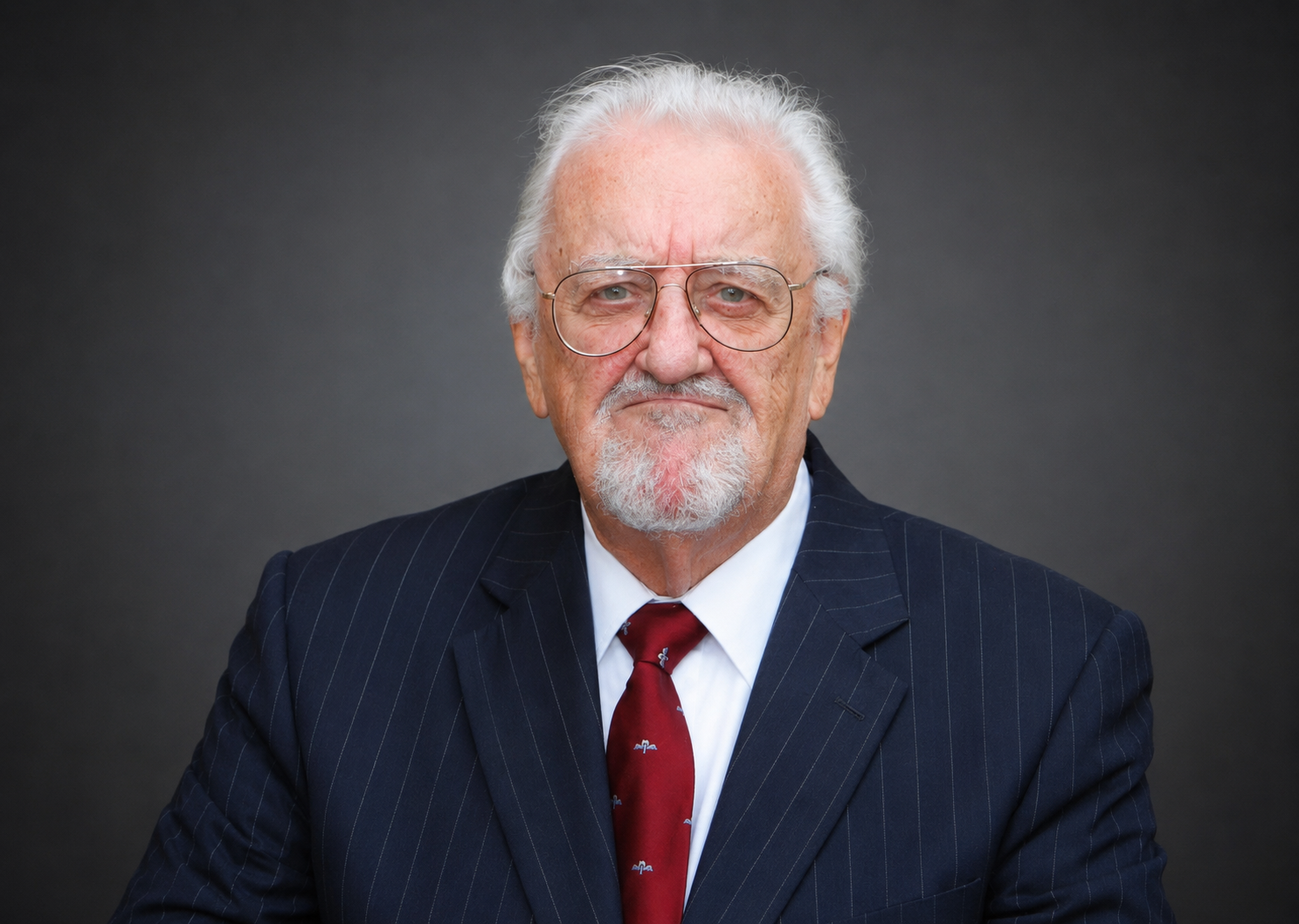
In Formula 1, the spotlight usually falls on drivers. They’re the ones spraying champagne, standing on podiums, and signing eye-watering contracts. But behind every championship-winning car, there’s a mastermind making the real decisions. For years, that mastermind was Ross Brawn.
When people search for Ross Brawn net worth, they’re not just curious about a number. They want to understand how an engineer became one of the most influential figures in Formula 1 history — and how team ownership, F1 salary, and smart investments turned technical brilliance into long-term wealth.
Unlike drivers who build fortunes through race contracts and endorsements, Brawn’s fortune was shaped through strategy, leadership, and equity deals. His financial story is deeply tied to Ferrari dominance, the bold creation of Brawn GP, and the transformative Mercedes sale that changed modern F1.
Let’s break down how Ross Brawn built his wealth over decades in motorsport.
Who Is Ross Brawn?
Ross Brawn wasn’t born into motorsport royalty. He didn’t enter the sport as a driver with sponsorship backing. Instead, he built his reputation through engineering precision and tactical intelligence.
Early Career in Motorsport
Brawn’s early years were rooted in technical roles. He studied engineering and entered the motorsport world through lower-tier racing teams before moving into Formula 1.
In the beginning, his earnings would have reflected standard engineering salaries within competitive motorsport — respectable, but nowhere near executive levels.
However, technical brilliance opened doors. His ability to extract performance from machinery became his calling card.
Rise to Prominence at Ferrari
Ross Brawn’s financial trajectory changed dramatically when he joined Ferrari in the mid-1990s. Alongside Jean Todt and Michael Schumacher, Brawn helped transform Ferrari into a dominant force.
During this golden era, Ferrari won multiple championships. Success in Formula 1 often triggers performance bonuses, long-term contract extensions, and higher executive compensation.
At this stage, Brawn’s F1 salary likely rose significantly. As a key technical leader, his role was central to Ferrari’s success, making him one of the most valuable figures in the paddock.
This era marked the first major acceleration in Ross Brawn net worth.
Ross Brawn Net Worth
So how much is Ross Brawn actually worth today?
Current estimates place Ross Brawn net worth in the range of $150 million to $200 million. While exact figures aren’t publicly confirmed, most financial analysts agree that his wealth surged after the Brawn GP sale to Mercedes.
Unlike drivers whose fortunes depend on sponsorships and race contracts, Brawn’s fortune was heavily influenced by team ownership earnings and equity deals.
Financial Growth Across Career Phases
Ross Brawn’s wealth developed in distinct stages:
- Engineering and early technical salary phase
- Ferrari championship era with executive-level F1 salary
- Ownership of Brawn GP and equity windfall
- Executive compensation at Mercedes and Formula 1 management
Each phase built upon the previous one, but the ownership phase truly changed the scale of his fortune.
Breaking Down Ross Brawn’s F1 Salary
Executive compensation in Formula 1 operates differently from driver contracts.
Technical Director and Team Principal Earnings
Top-level F1 executives earn high base salaries combined with performance bonuses. Championship wins often trigger:
- Multi-million-dollar bonuses
- Contract renegotiations
- Long-term retention agreements
As Ferrari’s technical director during dominant championship seasons, Brawn’s salary would have reflected his value to the team.
Unlike drivers who rely heavily on endorsements, executives typically earn from:
- Fixed annual salary
- Performance incentives
- Revenue-sharing arrangements
By the time Brawn left Ferrari, his Formula 1 leadership income was already substantial.
Mercedes Executive Compensation
After the Brawn GP chapter, Brawn transitioned into a key leadership role at Mercedes. Executive-level contracts at manufacturer-backed teams are among the highest in motorsport.
His role included strategic leadership during Mercedes’ early modern success period. That came with competitive F1 salary structures and likely included performance-based incentives.
This period reinforced his financial security beyond the Brawn GP sale windfall.
The Defining Moment: Brawn GP and Team Ownership
If one chapter defines Ross Brawn net worth, it’s the Brawn GP story.
Acquiring Honda’s Struggling Team
In 2008, Honda exited Formula 1 amid financial pressures. Brawn saw opportunity where others saw risk.
He acquired the struggling Honda F1 team for a symbolic sum and rebranded it as Brawn GP. At the time, this move carried enormous financial risk.
Ownership in Formula 1 is not a small commitment. Teams require massive operational budgets. Brawn’s decision was bold and strategic.
The 2009 Championship Shock
Against expectations, Brawn GP dominated the 2009 season. With Jenson Button at the wheel and a cleverly designed double diffuser system, the team secured both Drivers’ and Constructors’ Championships.
Championship success instantly increased team valuation.
Winning in Formula 1 doesn’t just boost reputation — it multiplies financial value.
Sale to Mercedes
Shortly after the championship season, Mercedes purchased Brawn GP. This sale became the pivotal financial moment in Brawn’s career.
The Mercedes deal reportedly generated a substantial payout. While exact figures remain private, industry estimates suggest that the sale dramatically increased Ross Brawn fortune, potentially adding tens of millions to his net worth.
Team ownership earnings often eclipse salary-based income. Equity deals create wealth at a completely different scale.
The Brawn GP sale cemented his financial legacy.
Investments Beyond Formula 1
Once wealth reaches a certain level, diversification becomes essential.
Motorsport Advisory Roles
After stepping back from daily team management, Brawn continued to influence the sport through advisory and executive roles.
These positions often include:
- Consulting fees
- Board compensation
- Strategic advisory payments
Even outside team ownership, his reputation carries financial value.
Real Estate and Asset Diversification
High-net-worth executives typically diversify through property investments and conservative financial instruments.
Real estate provides:
- Long-term appreciation
- Stability outside volatile industries
- Passive income streams
While detailed specifics about Ross Brawn investments remain private, asset management strategies likely focus on preservation and growth.
Wealth diversification protects against fluctuations in motorsport revenue cycles.
Comparing Ross Brawn Net Worth to Other F1 Figures
When compared to Formula 1 drivers, Brawn’s financial path looks very different.
Drivers vs Executives
Drivers earn through:
- Racing contracts
- Personal endorsements
- Brand partnerships
Executives like Brawn earn through:
- Salary
- Performance bonuses
- Equity stakes
- Team ownership
Ownership, in particular, changes the equation. Equity payouts can surpass decades of salary earnings.
Comparison With Other Team Leaders
Modern F1 executives such as Toto Wolff also built wealth through equity ownership. This model mirrors Brawn’s approach.
In motorsport wealth comparison discussions, Brawn stands among the most financially successful technical leaders in Formula 1 history.
Timeline of Financial Growth
Ross Brawn’s wealth didn’t explode overnight. It accumulated through strategic moves.
Early Engineering Years
- Modest salary
- Technical skill development
- Reputation building
Ferrari Championship Era
- Elevated executive salary
- Championship bonuses
- Global recognition
Brawn GP Ownership Phase
- Equity acquisition
- Championship-driven valuation spike
- Mercedes sale windfall
Mercedes Executive Period
- Continued high-level compensation
- Long-term financial security
Each stage layered additional financial strength.
Lifestyle and Public Image
Unlike celebrity drivers, Ross Brawn maintains a relatively private lifestyle.
Low-Profile Wealth
He is known more for strategic brilliance than public extravagance. This low-profile approach often aligns with long-term financial preservation.
Rather than flashy spending, executives frequently focus on:
- Property investments
- Long-term asset growth
- Conservative wealth management
Personal Assets
Reports suggest that Brawn owns property in the UK and enjoys interests such as fishing and boating. These assets reflect comfort rather than extravagance.
His lifestyle choices suggest measured financial discipline.
Post-F1 Opportunities and Legacy Income
After leaving day-to-day involvement in Formula 1 management, Brawn’s industry influence remained strong.
Consulting and Media Involvement
Former executives often earn through:
- Commentary roles
- Advisory board positions
- Strategic consulting
Experience at his level commands premium compensation.
Long-Term Industry Influence
Brawn also played a key role in shaping Formula 1’s regulatory framework during his time in senior management.
Influence at that level often leads to continued advisory roles and ongoing executive income.
Ross Brawn net worth reflects far more than an F1 salary. It represents decades of strategic leadership, championship success, team ownership profits, and carefully managed investments.
His financial story highlights a different side of Formula 1 wealth — one built through equity, engineering intelligence, and bold risk-taking rather than racing contracts alone.
From Ferrari dominance to the dramatic Brawn GP championship and Mercedes sale, each chapter strengthened his financial position.
Team ownership, executive compensation, and smart asset management ultimately transformed Ross Brawn from an engineer into one of the most financially successful figures in Formula 1 history.