



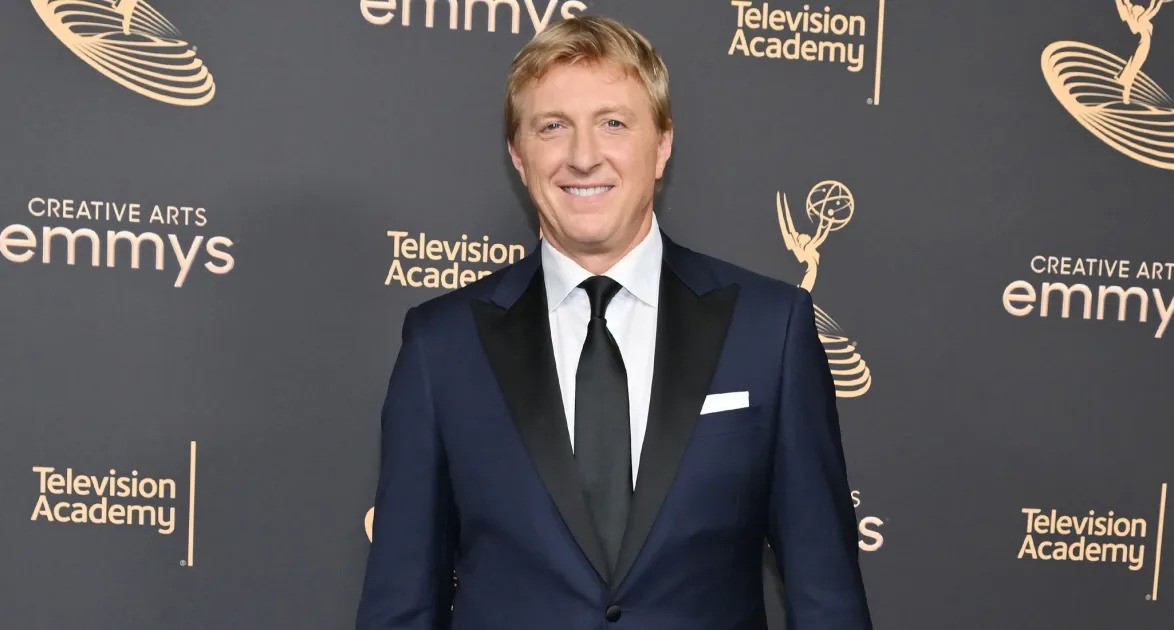
For many movie fans, William Zabka will always be remembered as the blonde-haired bully from The Karate Kid. That role defined an era, shaped pop culture, and instantly made him recognizable around the world. But what’s often overlooked is how Zabka quietly built a long, sustainable career in Hollywood long after the credits rolled on his 1980s breakout. Today, interest in William Zabka net worth isn’t just driven by nostalgia, but by how successfully he turned early fame into long-term financial stability.
His journey is not the typical Hollywood story of constant box-office dominance. Instead, it’s a case study in adaptation, patience, and knowing when to step forward and when to work behind the scenes.
Who Is William Zabka
William Zabka is an American actor, writer, and producer whose career spans more than four decades. While he first became famous playing antagonistic characters in 1980s teen films, his professional life extends far beyond that single image.
Early life and background
William Michael Zabka was born in New York City and raised in a family with strong creative ties. His father worked in the film and television industry, which exposed Zabka to storytelling, production, and the mechanics of entertainment from a young age. That early familiarity helped him understand Hollywood not just as an actor, but as a business.
Unlike many child actors, Zabka did not grow up chasing stardom from an early age. His interest in acting developed gradually, shaped by curiosity rather than pressure. By the time he stepped in front of the camera, he had a grounded sense of how demanding and unpredictable the industry could be.
Breaking into Hollywood
Zabka entered Hollywood during the early 1980s, a competitive period for young male actors. His athletic build and confident screen presence quickly caught casting directors’ attention, especially for roles that required physicality and intensity.
His breakthrough came quickly, but it also came with a trade-off. The same role that made him famous would later define how audiences and studios viewed him, shaping both his opportunities and challenges for years to come.
William Zabka Net Worth
When people search for William Zabka net worth, they are often surprised by how steady and resilient his financial trajectory has been. While he never dominated the box office year after year, his income reflects decades of consistent work rather than short bursts of fame.
Estimated net worth today
As of recent estimates, William Zabka’s net worth is generally placed between $3 million and $4 million. The exact figure varies depending on how assets, royalties, and long-term contracts are calculated. What remains consistent across sources is that his wealth has grown gradually, especially in the later stages of his career.
Unlike actors whose earnings peak early and decline sharply, Zabka’s financial growth has been more evenly distributed. His biggest gains have come from longevity, creative expansion, and a major career revival in the streaming era.
How his net worth is calculated
William Zabka’s net worth is built from several overlapping income streams:
- Film salaries from early and later roles
- Television earnings, including long-running series
- Streaming-era contracts and backend participation
- Royalties and residuals from legacy films
- Writing and producing credits
This mix of income sources has helped him maintain financial stability even during quieter periods in front of the camera.
The Karate Kid Era and Instant Fame
Zabka’s career changed dramatically in 1984 with the release of The Karate Kid. The film became a cultural phenomenon, and his character, Johnny Lawrence, instantly became one of the most recognizable villains in teen cinema.
Playing Johnny Lawrence
Zabka was cast as Johnny Lawrence, the aggressive, confident leader of the Cobra Kai dojo. Despite having limited martial arts experience at the time, he trained intensively to prepare for the role. His performance balanced menace with vulnerability, even if that complexity wasn’t fully explored in the original film.
Johnny Lawrence wasn’t just a villain. He became a symbol of teenage rivalry, masculinity, and pressure, which is why the character endured long after the film left theaters.
Financial impact of early success
While The Karate Kid was a massive success, actors’ salaries in the 1980s were far more modest than today’s blockbuster paydays. Zabka earned solid money for a young actor, but not the kind of wealth that guarantees lifelong security.
More importantly, early fame brought typecasting. Zabka was frequently offered similar antagonist roles, which limited both creative variety and long-term earning potential at that stage of his career.
Career After the Spotlight Shifted
As the teen movie boom of the 1980s faded, many actors struggled to find their footing. William Zabka chose a quieter, more strategic path.
Stepping away from leading roles
Rather than chasing visibility at all costs, Zabka accepted that the industry was changing. He took on supporting roles, guest appearances, and independent projects that kept him working without forcing him into roles that didn’t fit his evolving interests.
This period was not marked by headline-grabbing projects, but it was crucial for maintaining steady income and industry relationships.
Staying active behind the scenes
Behind the camera, Zabka began focusing more on writing and producing. These roles offered creative satisfaction and financial consistency without the volatility of on-screen fame.
By diversifying his skill set, he positioned himself as more than just an actor, which would later prove essential to rebuilding his public profile.
Film and Television Work Beyond The Karate Kid
Although often associated with one iconic role, Zabka’s filmography includes a wide range of projects that contributed to his earnings over time.
Notable movie roles
After The Karate Kid, Zabka appeared in films such as Just One of the Guys and Back to School, continuing his presence in popular cinema. These roles reinforced his image but also expanded his resume.
Later in his career, he embraced smaller films and character-driven projects. While these films didn’t generate massive box office numbers, they provided consistent income and kept him active in the industry.
Television appearances over the years
Television became an increasingly important part of Zabka’s career. He made guest appearances on popular shows and recurring roles that paid well and required less long-term commitment than film contracts.
Television work often offers better financial predictability, and for Zabka, it helped bridge the gap between his early fame and later resurgence.
Cobra Kai and the Career Revival
No discussion of William Zabka net worth is complete without examining Cobra Kai, the series that redefined both his career and public image.
Returning as Johnny Lawrence
Cobra Kai reframed Johnny Lawrence not as a one-dimensional villain, but as a flawed, relatable adult navigating failure, regret, and second chances. This shift resonated deeply with audiences.
Zabka’s performance showcased emotional range that many viewers hadn’t previously associated with him. The role transformed him from a nostalgic figure into a modern television lead.
Financial impact of streaming success
Streaming platforms operate differently than traditional studios, often offering competitive salaries and longer-term contracts. As Cobra Kai grew in popularity, Zabka’s compensation reportedly increased with each season.
Beyond salary, the show opened doors to producing credits and greater creative involvement, both of which have long-term financial benefits. This period marked the most significant upward shift in William Zabka’s net worth.
Writing, Producing, and Creative Control
One of the most underappreciated aspects of Zabka’s career is his work behind the scenes.
Screenwriting and storytelling
Zabka has received recognition for his writing, including an Academy Award nomination for a short film he co-wrote. Writing credits not only enhance creative credibility but also generate income through royalties and future opportunities.
These projects reinforced his reputation as a serious creative professional rather than just a former teen actor.
Producing and creative involvement
As a producer, Zabka has greater influence over projects and a share in their financial success. Producing roles often include backend participation, meaning income continues as long as the project performs.
This kind of involvement is a key reason his wealth continues to grow even when he’s not appearing on screen constantly.
Royalties, Residuals, and Long-Term Earnings
Legacy projects can be financially powerful, and Zabka benefits from this reality.
Films like The Karate Kid continue to generate revenue through syndication, home media, and streaming platforms. Each time these projects find a new audience, residual payments follow.
Cobra Kai has further amplified interest in the original films, indirectly boosting long-term earnings from earlier work.
Lifestyle, Assets, and Spending Habits
William Zabka is known for maintaining a relatively private lifestyle, especially compared to many Hollywood figures.
Real estate and investments
Zabka has invested in property, which serves both as a personal asset and a long-term financial safeguard. Real estate tends to offer stability, particularly for individuals with fluctuating income streams.
There is little evidence of risky or extravagant investment behavior, suggesting a conservative approach to wealth management.
Living outside the Hollywood bubble
Unlike celebrities who rely on constant visibility, Zabka appears comfortable stepping away from the spotlight when needed. This restraint has likely helped him avoid the financial pitfalls that affect many actors.
By prioritizing sustainability over image, he has protected his net worth over decades.
Public Image and Industry Reputation
Reputation plays a significant role in earning potential, and Zabka’s standing in the industry has improved steadily.
From typecast villain to respected actor
The success of Cobra Kai reshaped how both audiences and industry professionals view Zabka. He is now recognized for depth, range, and professionalism rather than a single archetype.
This shift has increased his appeal for future projects, directly influencing earning opportunities.
Fan culture and the nostalgia economy
Fan conventions, interviews, and franchise-related appearances have become another revenue stream. The nostalgia economy rewards actors who engage with their legacy while remaining relevant.
Zabka’s thoughtful approach to his past roles has allowed him to benefit from nostalgia without being trapped by it.
Comparing William Zabka’s Net Worth to Similar Actors
Many actors from 1980s teen films struggled to adapt as Hollywood evolved. Some faded from the public eye, while others faced financial instability due to inconsistent work.
William Zabka’s net worth stands out because of how it was built. Rather than relying solely on early fame, he embraced reinvention, diversified his skills, and capitalized on the right opportunity at the right time.
The long-term strategy behind his career
William Zabka’s financial success is rooted in patience and adaptability. He accepted periods of lower visibility, invested in creative growth, and waited for projects that aligned with both his talent and timing.
His journey demonstrates that lasting wealth in Hollywood often comes not from constant stardom, but from knowing how to evolve when the spotlight shifts.