
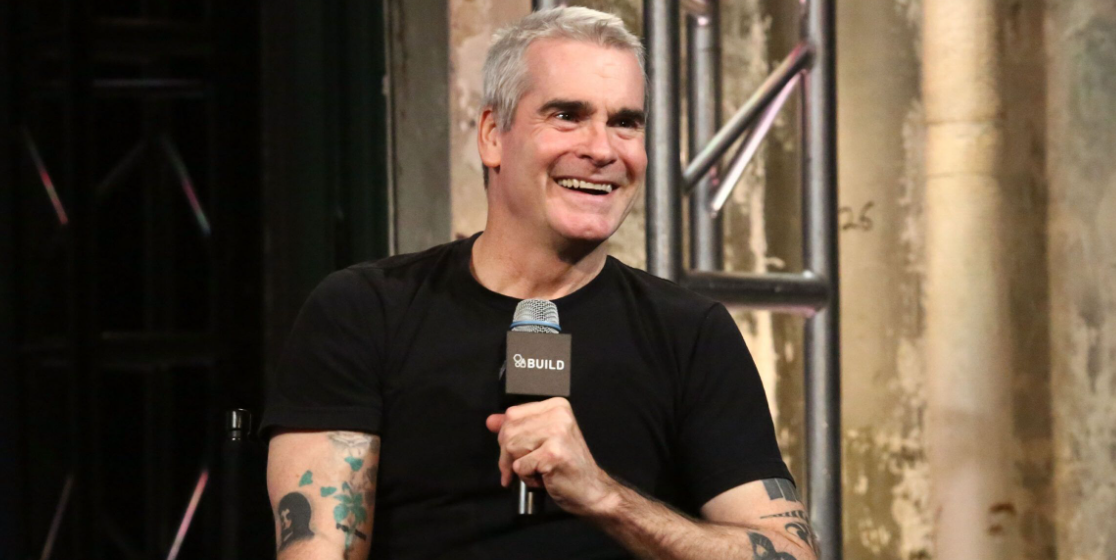
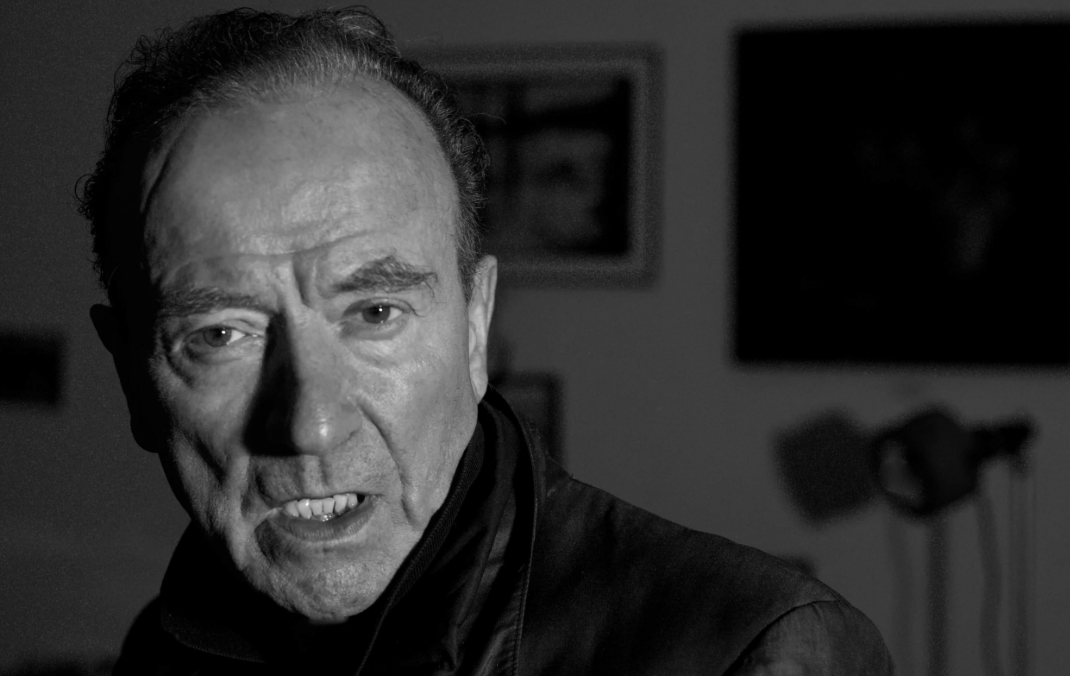

If you want to understand how Henry Rollins built a net worth estimated at $10-12 million, you need to understand one fundamental thing about him: he never stops. While other artists from the punk era burned out, cashed in, or simply faded away, Rollins just kept going. More records, more tours, more books, more spoken word performances, more television, more film work. The Henry Rollins fortune isn’t the result of one spectacular success—it’s the product of relentless, decades-long creative output across virtually every medium available to him.
Born Henry Lawrence Garfield on February 13, 1961, in Washington D.C., Rollins has built one of the most distinctive and genuinely prolific careers in American entertainment. His path from an ice cream scooper and front man of Black Flag to a multi-million dollar empire of music, publishing, television, film, and spoken word is a masterclass in how creative talent, combined with extraordinary work ethic, can generate lasting wealth.
The Black Flag Years: Where the Legend Was Born
Henry Rollins didn’t start Black Flag—he joined them in 1981 as their fourth vocalist, having been plucked from the audience at a show in Washington D.C. after the band’s previous singer had departed. It was the kind of break that looks like luck from the outside but requires considerable readiness to capitalise on.
With Black Flag, Rollins became the face of American hardcore punk. His shaved head, heavily tattooed physique, and ferocious stage presence made him an instantly recognisable figure in the underground music scene. Albums like Damaged and My War became foundational documents of American punk, selling steadily—if not explosively—to a dedicated audience that took the music genuinely seriously.
The financial rewards of Black Flag weren’t enormous. Hardcore punk in the early 1980s wasn’t a path to mainstream riches. The band toured relentlessly, living rough, earning enough to keep going but rarely enough to accumulate meaningful wealth. What the Black Flag years gave Rollins wasn’t money—it was something arguably more valuable: a reputation, an audience, and an identity that he’d spend the rest of his career building upon.
The Rollins Band: Mainstream Recognition and Proper Earnings
When Black Flag dissolved in 1986, Rollins formed the Rollins Band and continued touring and recording. The transition was significant: where Black Flag had been pure underground punk, the Rollins Band incorporated elements of metal, funk, and alternative rock into a sound that was heavier, more sophisticated, and far more commercially viable.
The early 1990s were the breakthrough period. Alternative rock was exploding commercially, and the Rollins Band sat perfectly in the middle of that wave. Their album Weight, released in 1994, became their commercial peak—certified gold in the United States, generating substantial royalties and earning them mainstream radio airplay and MTV exposure that their earlier work had never achieved.
This period generated Rollins’ first genuinely significant music earnings. Gold and platinum albums translate into meaningful royalty streams. Mainstream radio play generates performance royalties. MTV exposure drove album sales in an era when physical record sales still made artists real money. Touring in support of a commercially successful album meant larger venues, higher ticket prices, and substantially better fees than the van-sleeping tours of the Black Flag era.
2.13.61: The Publishing Empire That Keeps Paying
While many rock musicians limit themselves to music and perhaps some acting work on the side, Henry Rollins built something far more durable: a publishing company. In 1984—while still with Black Flag—Rollins founded 2.13.61 Publications (named after his birth date) to publish his own writing.
This was a remarkably far-sighted move. Most musicians his age weren’t thinking about publishing companies or intellectual property ownership. Rollins was. He understood intuitively that his words—his journals, essays, poetry, and observations—had value as published works, not just as performance material.
Over the decades, 2.13.61 has published numerous books by Rollins and others, generating both direct sales revenue and ongoing royalty income. Books, unlike live performances, keep generating money long after they’re written. A book published in 1994 can still be generating sales in 2024. For someone as prolific as Rollins—who has published dozens of works—this catalogue represents a substantial and growing asset.
The publishing venture also positioned Rollins as something more than a musician: an intellectual voice, an author, a thinker. This elevated his profile and opened doors to speaking engagements, media appearances, and opportunities that would never have been available to him based on music alone.
Spoken Word: A Touring Revenue Stream Unlike Any Other
One of Henry Rollins’ most distinctive—and financially significant—career decisions was to develop spoken word performance as a standalone art form and income stream. From the late 1980s onwards, Rollins has toured extensively with spoken word shows—essentially one-man performances where he talks for two or three hours about his life, travels, observations, and opinions.
Spoken word touring is surprisingly lucrative for performers who’ve built the right audience. The overhead is minimal compared to a full band tour: no equipment trucks, no crew wages for multiple musicians, no complex stage production. Just Rollins, a microphone, and the audience. This means a far higher percentage of ticket revenue actually translates into profit.
Rollins has toured internationally with spoken word performances for decades. Multiple shows per week, across the United States, Europe, Australia, and beyond—the earnings accumulate steadily. Several of these performances have also been released as albums and video recordings, creating additional revenue streams from content that’s already been performed and paid for.
Film and Television: Diversifying into Screen
Henry Rollins’ physical presence and intense persona translated naturally to film and television, and he’s built a meaningful screen career alongside his music and publishing work. His film appearances include significant roles in Michael Mann’s Heat (1995), Bad Boys II, Johnny Mnemonic, and numerous other productions.
Film acting fees for established cult figures with genuine screen presence are substantial—particularly for supporting roles in major studio productions like Heat and Bad Boys II. These aren’t walk-on parts; they’re proper acting jobs that require talent and deliver meaningful income. For Rollins, film work has provided both earnings and the kind of mainstream visibility that helps sustain and grow the broader business of being Henry Rollins.
Television has been equally important. Rollins hosted The Henry Rollins Show on IFC, Jackass Presents: Mat Hoffman’s Tribute to Evel Knievel, and various other programmes. Television presenting work generates substantial fees and, for original programming, can include ongoing royalties and residuals. He’s also appeared extensively as a documentary subject and commentator, particularly on music history programming.
Radio and Podcast Work: The Modern Media Presence
Rollins has maintained a strong media presence through radio work, most notably a long-running show on KCRW in Los Angeles. Radio presenting, while not enormously lucrative in itself, contributes to the overall ecosystem of a public figure’s career—maintaining audience awareness, generating speaking opportunities, and reinforcing the brand that underpins all the other income streams.
In the podcast era, Rollins’ extensive interview and commentary output has found new audiences online. This kind of content, once created, continues generating attention indefinitely. For someone with decades of recorded material—interviews, spoken word performances, radio shows—the digital archive has real ongoing value in terms of audience building and brand maintenance.
The Work Ethic That Built the Fortune
Understanding Henry Rollins’ net worth ultimately requires understanding his approach to work itself. He famously keeps meticulous journals, has described sleep as something to minimise, and appears to genuinely find rest uncomfortable. Where other artists schedule tours, Rollins seems to schedule life, with tours filling the gaps.
This work ethic has compounded his earnings in ways that are hard to quantify but easy to see in the results. More books means more royalties. More tours means more ticket revenue. More films means more acting fees. More television means more presenting income. When you multiply each individual income stream by decades of consistent output, you arrive at the $10-12 million net worth that represents the accumulated result.
The Henry Rollins Financial Model
What’s genuinely instructive about Henry Rollins’ net worth is that it demonstrates a financial model that any creative person could theoretically apply. Diversify your output. Own your intellectual property wherever possible—he owns his publishing company and controls his written catalogue. Minimise dependence on any single income stream. Keep working. Reinvest in new projects rather than simply consuming your earnings.
His journey from punk vocalist to multimillion-dollar creative enterprise is a reminder that sustained creative output, properly managed, can generate genuine wealth without requiring the kind of mainstream superstardom that most entertainers never achieve. Rollins never had a number one single or a blockbuster franchise film. What he had—and has—is an audience that respects him deeply, a body of work that continues to find new listeners and readers, and the discipline to keep producing at a pace that ensures the income never stops.