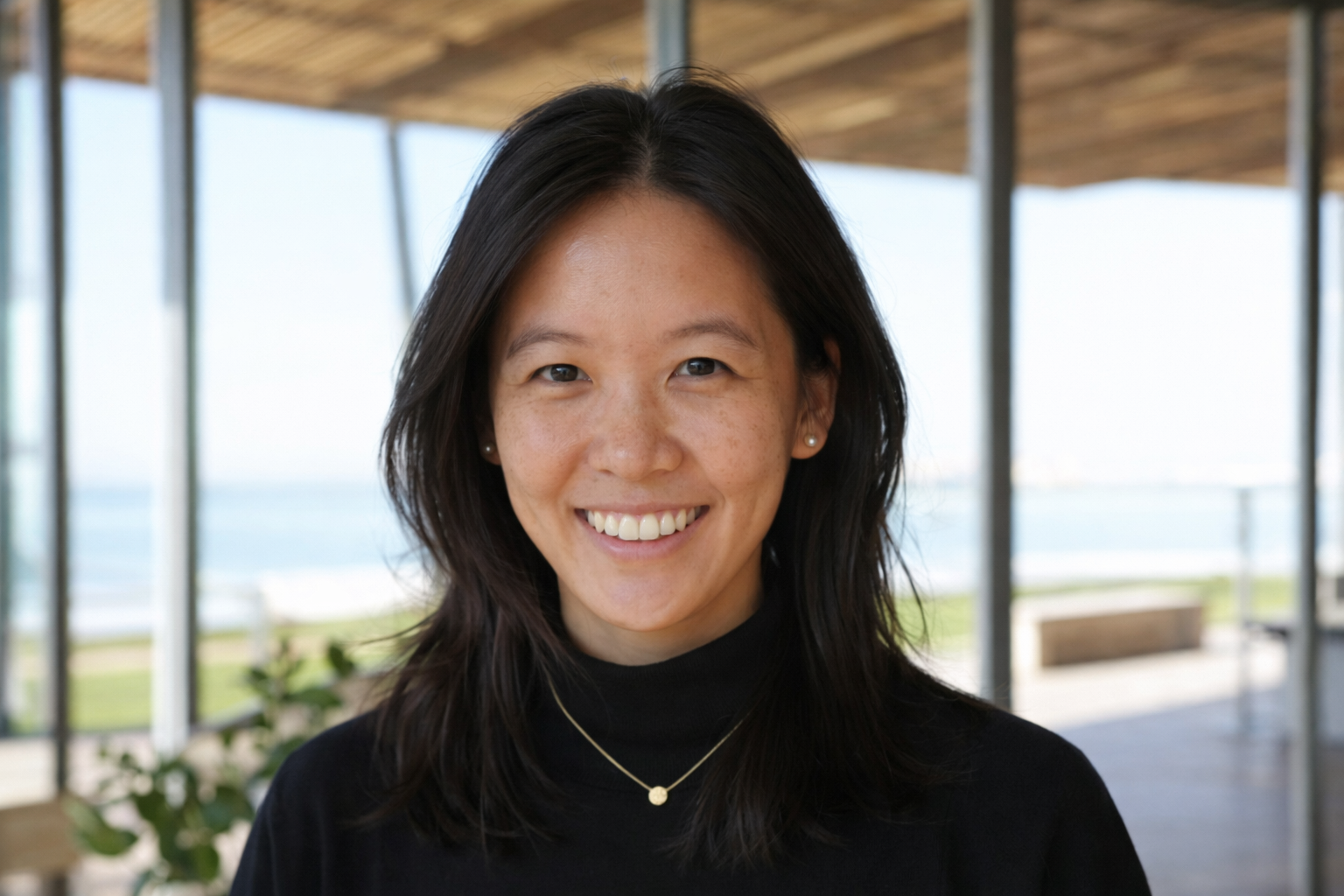
Dr Sonia Szamocki did not build 32Co around hype. She built it around a problem that shows up across healthcare again and again. The people with the deepest expertise are often not the people patients see first.
That gap matters more than it sounds. A patient may trust their local dentist, doctor, or clinician, but when a case needs specialist input, the next step can quickly become slower, more expensive, and less convenient. Referrals can stretch timelines. Travel can become part of treatment. In some cases, patients simply give up before they ever reach the right expert.
That is the gap Dr Sonia Szamocki decided to work on with 32Co.
Instead of asking patients to chase specialist care from one place to another, 32Co was built around a more practical idea. Bring specialist knowledge closer to where patients already are. Give local clinicians access to deeper expertise, better support, and stronger systems, so more people can receive higher quality treatment without the usual friction.
That idea has become the foundation of 32Co’s growth story. What started in orthodontics has developed into a wider collaborative healthcare model, one shaped by clinical support, technology, education, and a clear understanding of how healthcare actually works on the ground.
The healthcare gap Dr Sonia Szamocki saw early on
Before building 32Co, Dr Sonia Szamocki trained at Oxford and worked in healthcare environments where the contrast was hard to ignore. In hospital settings, specialist knowledge was there. In community and primary care settings, many clinicians were still expected to handle growing patient demand without easy access to that same level of support.
That disconnect became the real insight behind the company.
Healthcare systems tend to talk a lot about innovation, but access is often the bigger issue. A breakthrough treatment or specialist pathway is only useful if it can actually reach people in real life. If specialist care remains limited to a small number of experts or locations, then the quality may be high, but the reach stays narrow.
Dr Sonia Szamocki saw that the problem was not a lack of talent. It was a lack of distribution. There were highly capable general clinicians already embedded in local communities. What they often lacked was a simple way to collaborate with specialists, build confidence, and offer more advanced care safely.
That is where 32Co found its opening.
Why traditional care models leave too much distance between expertise and access
In theory, referrals sound straightforward. A patient needs specialist care, so they are sent to a specialist. In practice, that model can create bottlenecks.
Patients may face long waiting times. They may need to travel further than they expected. Costs can rise. The treatment journey becomes more fragmented. For clinicians in local practices, it can also mean losing continuity, losing visibility, and missing the chance to build new skills in areas where demand is clearly growing.
This becomes especially relevant in fields like orthodontics. Patient interest in clear aligner treatment and cosmetic dentistry has grown quickly, but specialist capacity has not grown at the same pace. That leaves a wide space between demand and delivery.
32Co was built to reduce that distance.
Rather than treating generalists and specialists as two separate worlds, the company created a model where they can work together more effectively. The local clinician keeps the patient relationship. The specialist input becomes more accessible. The treatment pathway becomes more manageable. Patients get care closer to home, and clinicians are not left figuring everything out on their own.
That is a simple idea, but it solves a very real bottleneck.
How 32Co turned collaboration into the core of its business model
What makes 32Co interesting is that it did not position itself as just another dental product company. It built a collaborative platform around specialist support.
At its core, the business is based on helping general clinicians access training, case support, treatment planning, and expert input in a way that feels practical inside a real clinic. That matters because clinicians do not just need a tool. They need confidence. They need clarity. They need to know they can deliver treatment safely and well.
This is where Dr Sonia Szamocki’s approach stands out.
Instead of assuming technology alone would fix the problem, 32Co built around the idea that healthcare works best when technology strengthens human expertise rather than trying to replace it. The platform helps connect dentists with specialist orthodontists, gives them structured support, and makes it easier to manage cases that would otherwise feel out of reach.
That kind of model creates value on multiple levels.
Patients benefit because they can receive specialist-supported treatment locally.
General clinicians benefit because they can expand what they offer without feeling isolated.
Specialists benefit because their expertise can reach more patients through a wider network instead of being limited to a single practice or location.
That is what made 32Co more than a software story. It became a care delivery story.
Why orthodontics became the first proving ground for 32Co
Every strong startup needs a sharp entry point, and for 32Co that starting point was orthodontics.
It made sense for a few reasons.
First, orthodontics sits in a space where patient demand is strong, but access can still be uneven. Many patients want treatment, especially clear aligner options, but not every local clinic has the confidence or specialist backing to provide it at a high standard.
Second, orthodontics is an area where support and planning matter. It is not enough to hand a clinician a product and hope for the best. Good outcomes depend on sound diagnosis, case selection, treatment planning, monitoring, and knowing when expert guidance is needed.
That made it the ideal environment to prove the 32Co model.
By helping general dentists work more closely with orthodontic specialists, 32Co positioned itself around safety, confidence, and practical clinical improvement rather than just convenience. That gave the company a stronger foundation than a purely transactional approach.
It also helped explain why the business gained traction. Dentists were not simply buying into a trend. They were gaining access to a system that could help them offer more advanced orthodontic treatment with better support behind them.
That is a much more durable value proposition.
How Dr Sonia Szamocki built trust with dentists, not just investors
A lot of startups can raise attention. Fewer manage to build real trust with the people expected to use the product every day.
Dr Sonia Szamocki appears to have understood that early.
In healthcare, adoption does not happen just because something sounds innovative. Clinicians need to believe it fits into their workflow, improves outcomes, and does not compromise safety. If those pieces are missing, growth stalls quickly.
32Co leaned into education, clinical support, and specialist collaboration because those are the things that make clinicians comfortable enough to move forward. That focus helped the company speak to what dentists actually care about.
They care about patient outcomes.
They care about avoiding unnecessary risk.
They care about being properly supported when handling more advanced cases.
They care about adding services in a way that feels sustainable rather than chaotic.
When a company understands that, it stops sounding like an outsider selling into healthcare and starts sounding like a real partner.
That trust-building piece matters when looking at 32Co’s wider momentum. The company attracted investor backing, including a seed round led by Balderton Capital, but funding alone is not what made the story interesting. The more important signal was that 32Co was building around a genuine clinical need and getting market traction because of it.
That is usually a better foundation for long-term growth than branding alone.
What made 32Co more than just another healthtech startup
The healthtech space is full of companies promising efficiency, disruption, and smarter platforms. What separates stronger businesses from weaker ones is usually whether they understand the workflow behind the marketing language.
32Co’s model stands out because it is rooted in a practical question. How do you get specialist expertise to more patients without forcing every patient through the same narrow channel?
That question is bigger than dentistry.
It applies across many parts of healthcare where specialist demand outpaces supply. It also speaks to a wider shift in medicine and care delivery. Patients increasingly want treatment that is local, faster, and less fragmented. Clinicians want support systems that help them grow without undermining safety. Healthcare businesses that can connect those two needs are building something much more meaningful than a simple app.
32Co also benefited from having a clearer identity than many early-stage startups. It was not trying to be everything at once. It started with a focused problem, built credibility in a specific area, and then expanded from that base.
That is usually how durable category builders grow.
They begin with a narrow point of pain.
They solve it well.
Then they use that credibility to move into adjacent opportunities.
How closing the generalist-specialist gap opened the door to broader growth
One of the most interesting parts of the 32Co story is that orthodontics was not the finish line. It was the first proof point.
Once the company showed that specialist knowledge could be distributed more effectively through local clinicians, the broader opportunity became much easier to see. The same core model could be applied in other areas where access remains limited and where patients would benefit from receiving specialist-supported care closer to home.
That is why 32Co’s expansion into sleep-related care makes strategic sense. It is not a random move away from the original business. It follows the same logic that shaped the company from the beginning.
There is a specialist access problem.
There are local clinicians who can play a bigger role.
There is room for better training, better pathways, and better support.
There is technology that can help coordination happen more smoothly.
Seen that way, 32Co is not just a dental startup that happened to grow. It is a collaborative healthcare company using dentistry as the first place to prove a broader operating model.
That makes Dr Sonia Szamocki’s success with 32Co more interesting than a standard founder story. She did not just identify a market trend. She identified a structural gap in healthcare delivery and built a business around narrowing it.
That is why 32Co has managed to attract attention from both clinicians and investors. It speaks to a real-world need. It offers a model that feels grounded rather than abstract. And it suggests a future where specialist care does not have to stay locked inside specialist settings.
For patients, that means more convenient access.
For clinicians, it means more support and more opportunity to grow.
For the company, it means the original idea has room to travel much further than its first use case.