Beatrix Potter net worth is often listed by celebrity wealth sites at around $1 million, with some estimates saying that amount would be roughly $20 million in today’s money after inflation. That figure gives readers a simple starting point, but it does not fully explain the real value of Beatrix Potter’s fortune. Her wealth was tied to books, royalties, land, farms, publishing shares, and one of the most successful children’s characters ever created.
The strongest documented figure comes from her will. When Beatrix Potter died on December 22, 1943, her estate was valued at £211,636 4s 10d, and it paid tax of £54,093. That estate included more than 4,000 acres of land, 15 farms, cottages, and other property in the Lake District.
So, when people search for how much was Beatrix Potter worth when she died, the best answer is this: her recorded estate was worth £211,636 4s 10d, but her wider legacy became far more valuable because of Peter Rabbit royalties, book sales, licensed merchandise, and her protected countryside estate.
Who Was Beatrix Potter?
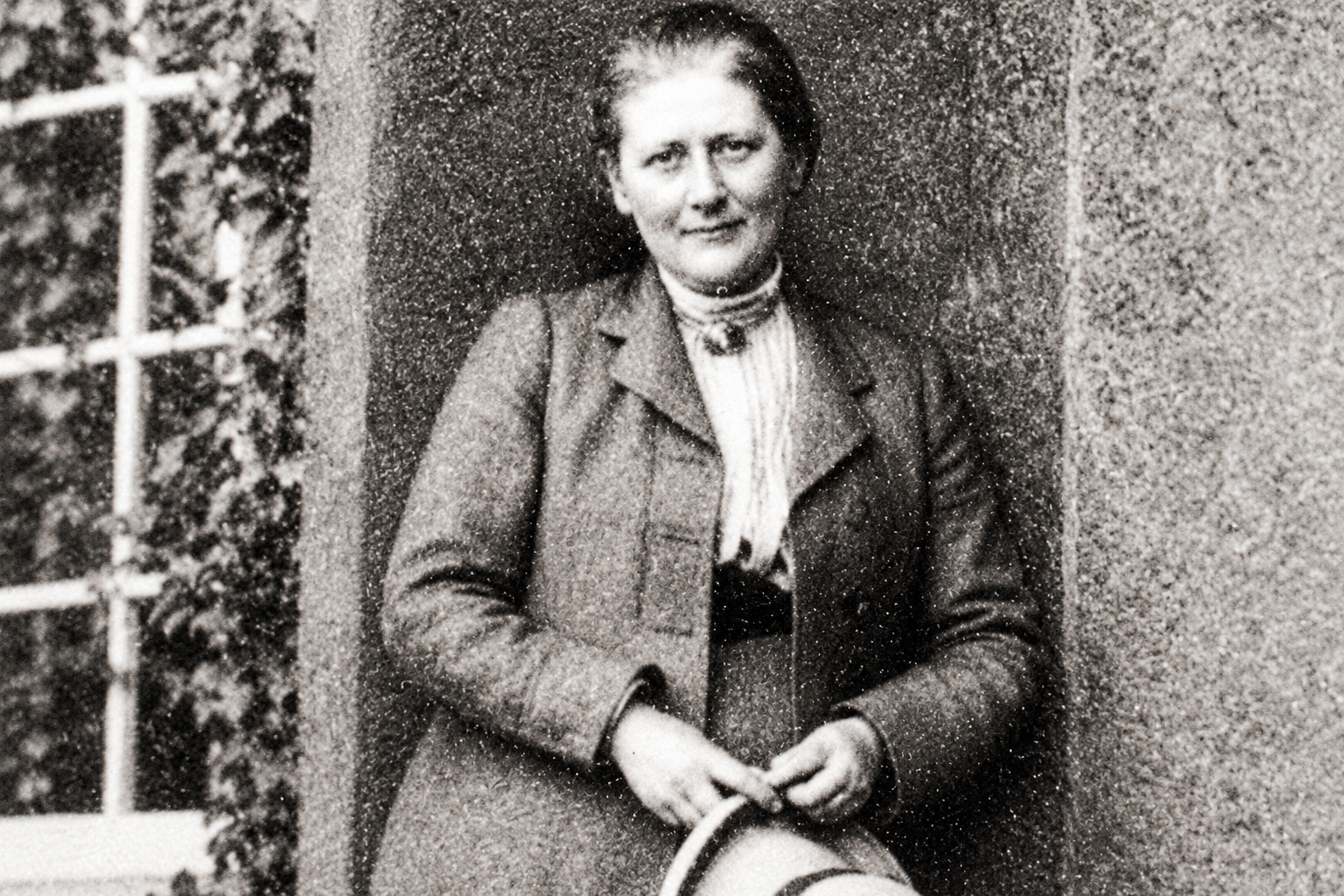
Helen Beatrix Potter was born on July 28, 1866, in London. She became famous as an English author, illustrator, natural scientist, and conservationist, best known for The Tale of Peter Rabbit, which was first commercially published in 1902.
Her public image is often soft and storybook-like, but her life was much bigger than nursery shelves. She was also a sharp businesswoman, a serious farmer, a respected Herdwick sheep breeder, and a major supporter of Lake District conservation. That mix of creativity and practical money sense is what makes Beatrix Potter’s wealth so interesting.
Quick Profile
| Detail | Information |
| Full Name | Helen Beatrix Potter |
| Known As | Beatrix Potter |
| Born | July 28, 1866 |
| Died | December 22, 1943 |
| Profession | Author, illustrator, natural scientist, farmer, conservationist |
| Most Famous Work | The Tale of Peter Rabbit |
| Husband | William Heelis |
| Recorded Estate Value | £211,636 4s 10d |
| Major Legacy | Peter Rabbit, book royalties, land, farms, and the National Trust gift |
How Beatrix Potter Made Her Money
Beatrix Potter did not build her fortune in one simple way. Her income came from several sources, and each one helped shape her financial independence.
Before she became a household name, she earned money through illustrations, greeting cards, and nature drawings. She had a deep interest in animals, plants, and fungi, and that careful eye later gave her books their charm. Her drawings felt alive because they came from real observation, not just imagination.
The real turning point came with The Tale of Peter Rabbit. After early rejection, Potter privately printed the story herself. Frederick Warne & Co. later published it commercially in 1902, and it quickly became one of the most beloved children’s books in the world. Penguin Random House notes that the book was published at one shilling and became one of the most famous stories ever written.
The Tale of Peter Rabbit Changed Everything
The Tale of Peter Rabbit was the foundation of Beatrix Potter’s net worth. The British Museum notes that the book was an immediate success, selling 50,000 copies in a year. That success made Potter and her publisher wealthy, and it opened the door for more books, more characters, and more income.
Her success was not just about writing a sweet story. Potter understood the power of a character. Peter Rabbit was memorable, marketable, and emotionally familiar to readers. That made him more than a book character; he became a brand.
Peter Rabbit Merchandise and Royalties
One reason Beatrix Potter’s fortune lasted so long is that she was ahead of her time with character merchandising. In 1903, she created a Peter Rabbit doll and registered it at the Patent Office, helping launch a long line of official products.
This was a smart business move. Peter Rabbit merchandise expanded the value of her work beyond printed books. Dolls, figurines, china, games, wallpaper, and other products helped turn Peter Rabbit into a lasting commercial property.
The Beatrix Potter Society notes that Potter understood the value of “spin-off” products and that money from her merchandise helped her buy land in the Lake District.
That is why Peter Rabbit royalties, book licensing, and official merchandise are important when discussing Beatrix Potter net worth. Her money did not come only from book sales. It also came from the way she protected and expanded the world around her characters.
Beatrix Potter’s Land and Property Wealth
Potter did something unusual with her earnings: she bought land. In 1905, she purchased Hill Top Farm in Near Sawrey. The National Trust describes Hill Top as her farmhouse retreat and the place that inspired many of her later stories.
Over time, she bought more farms and rural property. She was not simply collecting land for status. She wanted to protect the working landscape of the Lake District, support traditional farming, and preserve the character of the countryside.
This land became a major part of Beatrix Potter’s estate value. Her wealth was not flashy, but it was solid. It was held in farms, cottages, livestock, publishing income, and protected countryside.
Beatrix Potter as a Businesswoman
Many people know Potter as a gentle children’s writer, but she was also a careful and confident businesswoman. She negotiated publishing matters, protected her characters, supported merchandise, and invested her earnings into property.
Her life shows that Beatrix Potter wealth was not accidental. She built it through talent, timing, discipline, and practical decisions. She understood that a popular story could become a long-term asset if handled properly.
That makes her different from many writers of her time. She did not only create charming books; she created a literary world that continued earning after her death.
What Happened to Beatrix Potter’s Fortune?
Much of Beatrix Potter’s fortune went into preserving the countryside she loved. The National Trust says she left 4,000 acres of land and 15 farms to the Trust when she died in 1943.
Her will also showed exactly how she wanted her land managed. She asked that houses continue to be let at moderate rents, that her sheep flocks remain pure Herdwick, and that her property be managed by the National Trust in line with the way she had cared for it.
So the answer to what happened to Beatrix Potter’s fortune is simple but powerful: she turned much of it into a conservation legacy. Her money helped protect farms, cottages, sheep, and open countryside instead of becoming only a private family fortune.
Did Beatrix Potter Leave Her Husband Anything?
Yes, Beatrix Potter left her husband, William Heelis, a life interest in her book royalties. That meant he could benefit from those royalties during his lifetime. After his death, the royalties went to her friend and publisher Frederick Warne Stephens, along with her shares in the publishing company.
This detail matters because many people assume everything went directly to the National Trust. Her land and property legacy largely did, but her book royalties and publishing interests were handled separately in her will.
William Heelis was not just her husband. He was also a local solicitor who helped her with land purchases. Potter married him in 1913, and they lived in the Lake District, where she became more focused on farming and conservation than on producing new books.
Who Gets Beatrix Potter Royalties?
The history of Beatrix Potter royalties starts with her will. Her husband received a life interest in the royalties, and after him they passed to Frederick Warne Stephens.
Today, the Peter Rabbit brand is still managed commercially. The official Peter Rabbit site says Penguin Random House publishes English-language Beatrix Potter books and apps, while Frederick Warne & Co. owns the rights, copyrights, and trademarks in the Beatrix Potter character names and illustrations.
That means Peter Rabbit royalties and permissions are now tied to modern publishing, licensing, trademarks, and brand management rather than to Potter’s personal estate alone.
How Is Kate Middleton Related to Beatrix Potter?
Kate Middleton, now the Princess of Wales, has been described as a distant relative of Beatrix Potter. The connection is through Kate’s great-great-great uncle, Dr Arthur Lupton. His brother-in-law, Lord Ashton, the 1st Baron Ashton of Hyde, was a first cousin of Beatrix Potter.
This family link became more widely discussed when Catherine curated a display at the V&A East Storehouse that included one of Potter’s watercolour paintings. It is not a close family relationship, but it does connect the modern royal family to the world of Peter Rabbit and Beatrix Potter’s artwork.
Why Did Beatrix Potter Not Marry Earlier?
Beatrix Potter did eventually marry, but not until later in life. Before William Heelis, she was unofficially engaged to Norman Warne, her editor and publisher. Their engagement was short because Warne died in 1905, only about a month after the engagement. The British Museum notes that Potter continued to wear her engagement ring until she died.
Her parents had also objected to the match because Warne worked in publishing, which they considered socially unsuitable. Later, when she married William Heelis at the age of 47, her parents were again unhappy because he was a country solicitor. The National Endowment for the Humanities notes that Potter married Heelis against her parents’ advice.
So, the answer is not that Beatrix Potter never wanted marriage. Her life was shaped by family pressure, social expectations, grief, and her own gradual move toward independence.
What Was Beatrix Potter’s Most Famous Book?
Beatrix Potter’s most famous book was The Tale of Peter Rabbit. It introduced the mischievous rabbit who became her signature character and the center of a huge literary and commercial legacy.
The book’s success helped create Beatrix Potter’s book royalties, supported her move toward financial independence, and gave her the money to invest in Hill Top Farm and other Lake District properties.
Why Beatrix Potter’s Wealth Still Matters
The story of Beatrix Potter net worth is not just about a number. It is about how a Victorian woman turned art, storytelling, and business sense into long-term independence.
Her money came from children’s books, Peter Rabbit merchandise, publishing royalties, licensed characters, property, and Lake District farms. But what makes her fortune special is what she did with it. Instead of chasing social status, she used her earnings to protect the places she loved.