



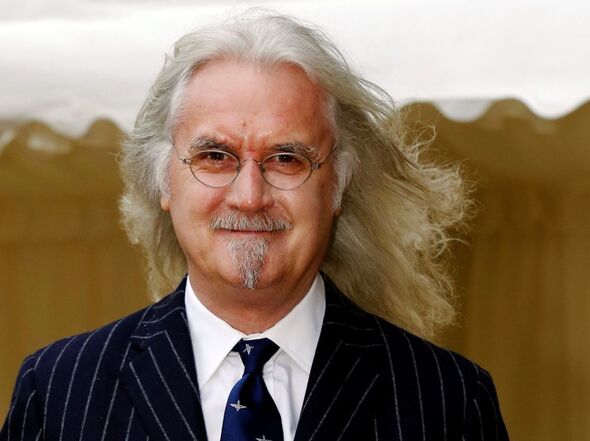

Interest in Bridget Phillipson net worth reflects a broader curiosity about how politicians earn money, manage finances, and build personal security while working in public office. Unlike business leaders or media personalities, politicians operate under strict transparency rules, fixed salary structures, and ongoing public scrutiny. As a result, their financial profiles tend to look very different from those of people in the private sector.
Bridget Phillipson’s financial story is closely tied to her professional choices. By committing to public service, she entered a career path defined less by wealth accumulation and more by responsibility, accountability, and stability. Understanding her net worth means understanding how income works in UK politics, what MPs are paid, and what financial trade-offs come with a life in government.
Who Is Bridget Phillipson?
Early life and background
Bridget Phillipson was born and raised in the UK, growing up in a working-class environment that shaped her views on fairness, opportunity, and public responsibility. Her upbringing played a significant role in her political outlook, particularly her focus on education, social mobility, and equality.
From an early age, she showed strong academic ability and an interest in social issues. Education was not simply a personal achievement for her, but a pathway to contributing more broadly to society. That mindset would later influence her career decisions, including her choice to enter politics rather than pursue more lucrative private-sector roles.
Education and academic path
Phillipson pursued higher education with a focus on law and public policy. Legal training provided her with analytical skills, a strong understanding of governance, and a realistic view of how institutions function. While a legal background can lead to high earnings in the private sector, it can also serve as a foundation for public service.
Choosing a path that leaned toward politics and advocacy rather than corporate law shaped her long-term earning potential, but it also aligned closely with her personal values.
Entry into public life
Before becoming a full-time politician, Phillipson was involved in political engagement, policy work, and advocacy. These roles often pay modestly compared to private-sector alternatives, but they offer experience, networks, and credibility within public institutions.
Financially, this early phase of her career emphasized stability over rapid income growth.
Bridget Phillipson Net Worth
Estimated net worth overview
Bridget Phillipson’s net worth is generally considered modest by national standards, especially when compared to business executives or media figures. Most estimates place her net worth in the low six-figure range, though exact figures are not publicly confirmed.
This level of wealth is typical for long-serving MPs who rely primarily on salary rather than external business income.
Why political net worth figures are often lower
Unlike entrepreneurs or investors, politicians:
- Earn fixed salaries
- Face restrictions on outside income
- Are subject to public disclosure rules
- Often prioritize service over profit
As a result, net worth growth is steady but limited.
Income versus wealth
It’s important to distinguish between income and net worth. While Phillipson earns a stable salary, net worth reflects accumulated savings, assets, and pensions rather than annual pay alone.
Career Before Parliament and Early Earnings
Professional work prior to politics
Before entering Parliament, Bridget Phillipson worked in roles connected to law, policy, and public advocacy. These positions typically offer professional-level salaries but fall well below the earning potential of private corporate or commercial legal work.
Her income during this period supported a comfortable but not extravagant lifestyle.
Financial trade-offs of public service
Choosing a public-facing career often means accepting lower pay in exchange for influence and impact. Phillipson’s decision to pursue politics limited her ability to rapidly build wealth but provided long-term job security and professional purpose.
Transition into full-time politics
Campaigning and preparing for parliamentary office can involve financial uncertainty. Candidates may take time away from paid work, incur personal expenses, and rely on party support during election periods.
This transition phase often requires careful financial planning.
Becoming a Member of Parliament
Election to Parliament
Winning a seat in Parliament marked a significant professional milestone for Bridget Phillipson. Financially, becoming an MP brings a clear salary structure and defined benefits, replacing the uncertainty of pre-election life with stability.
MP salary explained
UK MPs receive a base salary that is reviewed periodically. This salary is intended to:
- Support full-time legislative work
- Cover the cost of representing constituents
- Reduce reliance on external income
The salary places MPs above the national average but well below high-earning private-sector professionals.
Allowances and expenses
In addition to salary, MPs can claim allowances for legitimate work-related costs, such as:
- Office staffing
- Travel between constituency and Westminster
- Accommodation related to parliamentary duties
These allowances are not personal income and do not increase net worth, as they are reimbursements for expenses incurred while performing official duties.
Ministerial and Shadow Cabinet Roles
Holding senior political positions
Over time, Bridget Phillipson has taken on more senior roles within her party, including shadow cabinet positions. These roles come with greater responsibility, visibility, and workload.
Impact on earnings
Senior roles may involve modest salary increases if held within government, though shadow cabinet positions do not typically come with additional pay. The primary benefits of these roles are influence and career progression rather than financial reward.
Workload versus compensation
Senior political roles often demand longer hours, increased scrutiny, and heightened pressure without dramatic increases in income. This imbalance highlights the non-financial motivations behind political careers.
Additional Income Sources and Restrictions
Rules on outside earnings
UK MPs are subject to strict rules regarding secondary income. Any additional earnings must be declared publicly, and certain types of paid work may be restricted to prevent conflicts of interest.
This framework limits opportunities for significant side income.
Writing, speaking, or advisory work
Some politicians supplement their income through writing or speaking engagements, but such activities must comply with parliamentary rules. There is no indication that Bridget Phillipson relies heavily on outside earnings.
The emphasis remains on transparency and accountability.
Why restrictions exist
These restrictions are designed to:
- Maintain public trust
- Prevent undue influence
- Ensure focus on parliamentary duties
While they limit earning potential, they reinforce the integrity of public office.
Assets, Savings, and Financial Disclosure
Property ownership
Any property owned by an MP must be declared if it meets disclosure thresholds. Public records indicate that Phillipson’s assets are consistent with a middle- to upper-middle-income professional, rather than a high-net-worth individual.
Property contributes to net worth but does not necessarily imply significant wealth.
Savings and investments
Politicians may hold savings or investments, but these are typically conservative. Riskier investments can attract scrutiny, making cautious financial planning the norm.
Savings growth tends to be gradual rather than aggressive.
Parliamentary pension scheme
One of the most significant long-term financial benefits of being an MP is access to a parliamentary pension. Contributions are made over time, providing future security rather than immediate wealth.
This pension plays a key role in long-term financial planning.
Lifestyle, Spending, and the Financial Reality of Politics
Living on a political salary
An MP’s salary supports a comfortable but not extravagant lifestyle. For those with constituencies far from London, costs can be higher due to travel and accommodation needs.
Balancing personal life with parliamentary duties often requires careful budgeting.
Constituency and London expenses
Many MPs maintain homes in both their constituency and London, which can strain finances despite allowances. These logistical costs are a common but often overlooked aspect of political life.
Public scrutiny of spending
Politicians face intense media and public scrutiny over spending decisions. Even legitimate expenses can attract criticism, encouraging conservative financial behavior.
This scrutiny influences lifestyle choices.
Comparing Political Net Worth to Private-Sector Careers
Politics versus corporate earnings
Compared to corporate executives, politicians earn significantly less over their lifetimes. A successful private-sector career can generate far higher net worth through bonuses, equity, and investments.
Politics offers stability but limits upside.
Long-term financial trade-offs
The trade-offs of a political career include:
- Lower lifetime earning potential
- Higher public accountability
- Greater job security during tenure
Many politicians accept these trade-offs in exchange for influence and public impact.
Why people still choose politics
Despite financial limitations, politics offers non-monetary rewards, including the ability to shape policy, represent communities, and influence national direction.
For many, these rewards outweigh financial considerations.
Public Image, Ethics, and Financial Accountability
Transparency requirements
MPs must disclose financial interests through public registers. This transparency ensures accountability but also limits privacy.
Financial openness is a cornerstone of public trust.
How income affects public perception
Politicians’ finances are often judged harshly. Even modest earnings can be scrutinized if perceived as excessive or inappropriate.
Maintaining a reasonable financial profile supports credibility.
Ethics and financial conduct
Ethical behavior around money is central to political legitimacy. Strict rules protect both the public and the politician from conflicts of interest.
Current Financial Standing and Career Outlook
Present-day income structure
Bridget Phillipson’s current income is primarily derived from her role as an MP, supplemented by any allowable and declared activities. This structure provides stability but not rapid wealth accumulation.
Career progression and future earnings
Future income potential depends on:
- Continued parliamentary service
- Holding ministerial office
- Post-political opportunities
While politics itself is not highly lucrative, experience can lead to opportunities after public office.
Post-politics financial possibilities
Former politicians often pursue careers in:
- Policy consulting
- Speaking and writing
- Advisory roles
These paths can significantly increase income later in life, though they come after years of public service.
Bridget Phillipson’s net worth reflects the financial reality of modern politics. Her income is stable, transparent, and shaped by clear rules rather than market forces. Rather than rapid wealth accumulation, her career emphasizes responsibility, service, and long-term security. In that sense, her financial profile is less about personal wealth and more about the structured, accountable nature of public life.