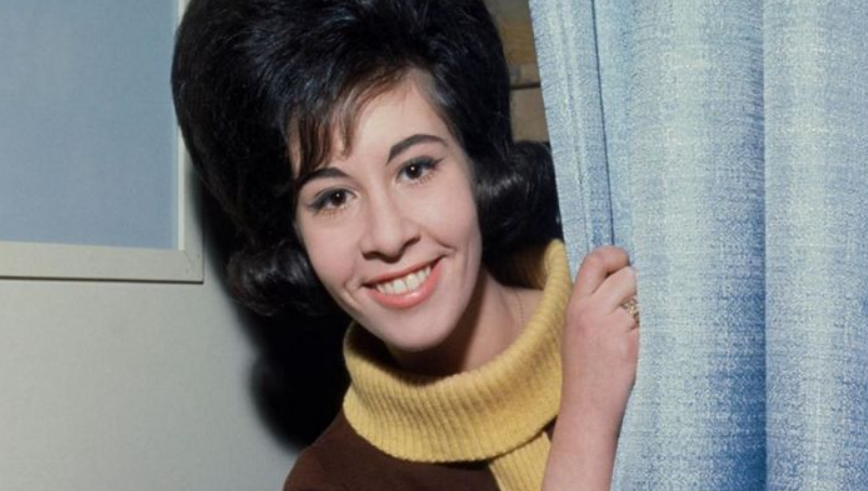


When you think of the British pop explosion of the early 1960s, certain names immediately spring to mind. But here’s something that might surprise you: Helen Shapiro was genuinely one of the biggest stars of that era—and unlike many of her contemporaries, she managed to build lasting wealth that continues to this day. We’re talking about a net worth of around £2-3 million, accumulated over a career that’s now spanning more than six decades.
What makes Helen’s story even more remarkable is that she achieved all this starting from absolutely nothing. She was just a teenager with an incredible voice when she became a household name across Britain. Her earnings at that age would have been substantial even by today’s standards, and she had the good sense to invest wisely and build on that foundation throughout her life.
From Bethnal Green to Stardom: The Early Years
Helen Shapiro was born in 1946 in Bethnal Green, East London. Her family wasn’t in the entertainment industry, and there were no obvious signs that young Helen would go on to earn substantial wealth through music and performance. But Helen had something special: an unusually deep, mature contralto voice that seemed to belong to a woman twice her age.
She began performing while still at school, and by the time she was just 14 years old, Helen had caught the attention of record producers. Young, talented singers were in high demand, and record labels were actively hunting for the next big thing. Helen fit the bill perfectly.
The Chart Dominance Years: Building the Fortune
In 1961, Helen released her breakthrough single “Don’t Treat Me Like a Child,” and it became an immediate hit. The following year, when she was only 15, she had multiple hit singles charting simultaneously, and her album sales were booming across the UK.
“Walking Back to Happiness” became her signature song—a track that perfectly showcased her distinctive voice and emotional maturity. This single alone earned her substantial royalties. Around the same time, “You Don’t Know” also climbed the charts, proving her initial success wasn’t a fluke.
Helen was earning from multiple streams: record sales, publishing royalties, radio airplay payments, and live performances. Every teenager with a radio seemed to want her records, and every venue with a stage wanted to book her. Helen’s early wealth accumulation during these teenage years laid the groundwork for her overall net worth of £2-3 million.
Touring the World: Live Performances and International Income
Beyond recording, Helen was constantly touring and performing live. In 1963, she embarked on a tour that would become part of British pop history. Believe it or not, Helen Shapiro was the headliner, and The Beatles were actually her support act on that tour. The band that would go on to become the most famous group in the world was opening for Helen Shapiro.
This speaks volumes about just how big Helen was at that specific moment. Live performances were one of the most lucrative aspects of any musician’s career. Ticket sales, merchandise, appearance fees—all of this generated significant income. International touring amplified this further, with Helen drawing audiences across Europe, Australia, and North America.
The Evolution: Jazz, Musical Theatre, and Longevity
What’s genuinely impressive about Helen Shapiro’s career isn’t just her early 1960s success—it’s what she did after. Many artists from that era faded into obscurity. Helen took a different path entirely.
After her initial pop success, she evolved into jazz music—a genuine artistic evolution that suited her contralto voice perfectly. Jazz audiences tend to be loyal and dedicated, and they appreciate musicianship and authenticity. She also moved into musical theatre, where experienced performers with genuine skill command substantial fees.
The key to Helen’s sustained net worth has been this diversification and longevity. Rather than becoming a one-hit wonder, she reinvented herself while maintaining the quality that made her famous. This meant consistent, reliable income streams compounding over time.
The Contralto Voice: Her Most Valuable Asset
Throughout all of this, the foundation of everything Helen achieved was her voice. That distinctive contralto register—deep, rich, and full of character—was her primary asset and the investment that kept paying dividends throughout her life.
In the age of recordings, Helen’s voice became immortal in a sense. Every time “Walking Back to Happiness” plays on the radio, every time someone streams one of her recordings, she earns performance royalties. These passive income streams from decades-old recordings have continued to contribute to her wealth even during periods when she wasn’t actively touring.
Wealth Management and Smart Decisions
Having the opportunity to earn a lot of money is one thing; actually keeping it and growing it is quite another. Many entertainers from earlier eras squandered their earnings through poor investments or trusting the wrong people. Helen Shapiro appears to have made wiser choices.
Her estimated net worth of £2-3 million suggests careful financial management over the decades. This isn’t wealth from a single windfall. It’s the kind that accumulates when someone makes sensible decisions about their earnings, invests prudently, and builds multiple income streams that work together over time.
The Lasting Legacy: More Than Just Money
When we talk about Helen Shapiro’s net worth, we’re ultimately talking about the financial reflection of a remarkable career and a remarkable life. The £2-3 million represents decades of performances, hundreds of recordings, countless hours of artistry, and a genuine connection with audiences spanning generations.
Her wealth is a testament to her talent, professionalism, her ability to adapt, and her commitment to her craft. In an entertainment industry that chews up and spits out most of those who dare to enter it, Helen Shapiro not only survived but thrived. She built a career that lasted, earnings that accumulated, and a legacy that remains. For anyone interested in British pop history, she represents a genuine star from the 1960s golden era who had both the talent and the acumen to turn stardom into lasting wealth across multiple decades and musical genres.