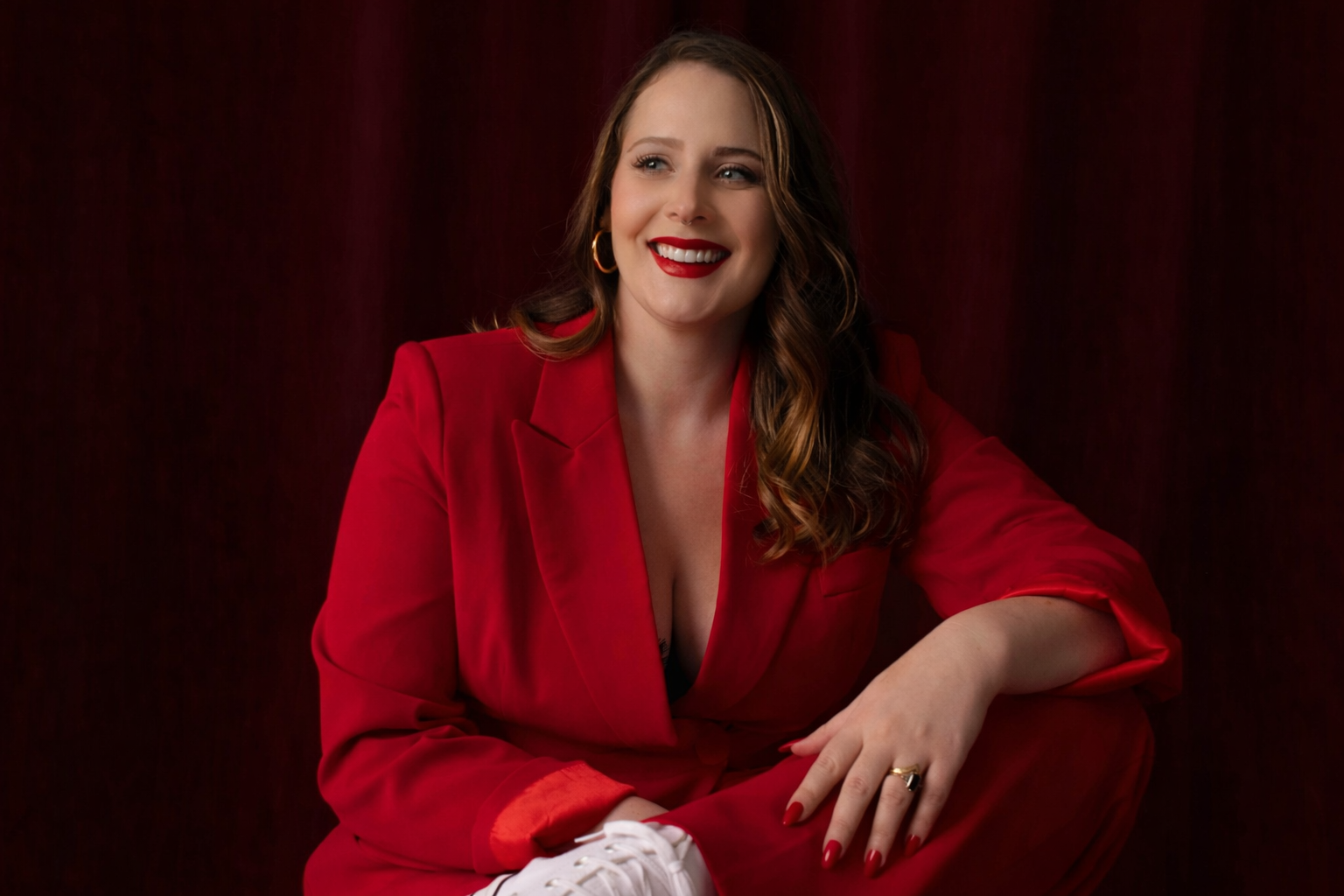
Some startups begin with market research, trend reports, or a gap on a spreadsheet. Eterneva began somewhere far more personal. The company grew out of grief, memory, and one founder’s refusal to accept that a remarkable life should be reduced to something that felt impersonal or forgettable. That difference matters, because it shaped not just the product, but the entire way the business was built.
Adelle Archer, who co-founded Eterneva with Garrett Ozar, did not build a company around novelty for novelty’s sake. She built it around a painful experience that many people understand immediately: losing someone important and wanting a way to keep that person’s legacy close. Over time, that deeply human starting point helped Eterneva grow into a company that earned national attention through Shark Tank, outside investment, and a brand story that people could actually feel.
Who Is Adelle Archer
Adelle Archer is the co-founder and CEO of Eterneva, a Texas-based company that turns cremated ashes or hair into memorial diamonds. On Eterneva’s own about page, Archer is described as a founder with a background in product marketing and entrepreneurship, and the company notes that she has been recognized by Forbes 30 Under 30 and Inc. 30 Under 30. Those details help explain why Eterneva never felt like a vague passion project. It had emotional depth, but it also had a founder who knew how to build, position, and communicate a business.
That combination of personal mission and commercial skill is a big part of why Archer stands out. A lot of founders can tell a moving story. Fewer can turn that story into a category-defining company. Archer managed to do both, and that balance is all over Eterneva’s growth.
The Personal Loss That Sparked Eterneva
The origin of Eterneva is tied closely to Archer’s mentor and friend, Tracey, who was diagnosed with Stage 4 pancreatic cancer in 2015 and given only a short time to live. After Tracey passed away, Archer wanted something that felt more personal and more lasting than the usual options offered around death and memorialization. That search eventually led to the idea of turning ashes into a diamond.
That founding story gave Eterneva something many startups spend years trying to manufacture: real emotional credibility. The company was not invented to cash in on a quirky concept. It came from a very specific need to honor a person in a way that felt beautiful, personal, and alive. That is a big reason the brand has always felt more meaningful than gimmicky, even though the product itself is unusual enough to grab attention.
Why Eterneva Felt Different From Traditional Memorial Businesses
At its core, Eterneva makes memorial diamonds from the ashes or hair of loved ones and pets. But that simple description does not fully explain why the company caught on. What made Eterneva different was that it reframed memorialization as an experience, not just a transaction. The process was presented as a journey that helped people stay connected to someone they loved, instead of simply purchasing a keepsake and moving on.
That distinction matters in an industry that Archer herself has described as dated and transactional. In a 2021 interview with Built In, she argued that the end-of-life space had seen too little innovation and often failed to match how people actually want to honor and remember the people they lose today. Eterneva’s response was not just to offer a different object, but to offer a different emotional experience around loss.
Building a Company Around Meaning, Not Just Novelty
A strange or surprising business idea can generate curiosity for a few minutes. It does not build trust on its own. Archer and her team seemed to understand that from the beginning. Eterneva leaned hard into storytelling, empathy, and communication, which helped the company feel more human than clinical. On its site, the company describes itself not as a diamond company that happens to handle ashes, but as a grief wellness company that creates diamonds. That is a powerful positioning choice, because it shifts the focus from product mechanics to emotional purpose.
That purpose-driven framing also made the brand easier to understand. People were not just buying a lab-grown diamond. They were participating in a ritual of remembrance. The more Eterneva emphasized legacy, symbolism, and personal connection, the more it separated itself from both traditional memorial providers and ordinary jewelry brands.
The Early Challenge of Explaining an Unusual Startup
One of the hardest parts of building Eterneva was likely making a completely unfamiliar idea feel credible. Turning ashes into diamonds sounds like the kind of concept people remember instantly, but that does not mean they trust it instantly. In a category tied so closely to grief, the burden of proof is much higher than it would be in a typical consumer startup. Families are not just evaluating a product. They are deciding whether to place something deeply personal into a company’s hands.
That is why so much of Eterneva’s growth story is really a trust story. The company says it built its process around over-communication, clear updates, and visible care at every stage. A recent partnership announcement from Batesville described Eterneva as known for a high-touch customer experience that guides families through the process with photos, videos, and personal updates. That kind of detail helps explain how the company moved beyond curiosity and into credibility.
How Shark Tank Changed the Scale of the Story
The moment that pushed Eterneva into a much bigger spotlight was its appearance on Shark Tank in 2019. According to Eterneva’s own recap, the episode introduced millions of viewers to the company’s vision of growing memorial diamonds from the ashes or hair of loved ones. That exposure mattered because it did two things at once: it made the company widely visible, and it gave the concept mainstream validation.
The pitch also resulted in a deal with Mark Cuban, which became one of the company’s most important credibility signals. Eterneva says Cuban invested $600,000, and multiple later profiles continue to identify him as a backer. For a startup operating in a category many people had never even considered before, that kind of endorsement helped move the brand from “interesting idea” to “serious company.”
From a Compelling Concept to Venture-Backed Growth
National attention is useful, but it only matters if a company can scale after the spotlight fades. Eterneva did. In 2021, the company announced an oversubscribed $10 million Series A round led by Tiger Management, with participation from investors including Mark Cuban, NextCoast Ventures, and Capstar Ventures. That round made it clear that Eterneva was not just a memorable TV pitch. Investors saw it as a business with real growth potential.
That funding also gave Eterneva room to keep improving the actual experience behind the brand. The company has said it invested heavily in infrastructure, research and development, and its memorial diamond facility in Kerrville, Texas. This is important because many mission-driven startups earn attention through story but struggle on execution. Eterneva’s growth suggests Archer and her team understood that emotional resonance had to be backed by operational seriousness.
How Adelle Archer Helped Build Trust in a Sensitive Category
Trust is not a bonus in this kind of business. It is the business. Eterneva has consistently emphasized transparency as one of its defining strengths. The company says it is the only U.S. memorial diamond company customers can visit and tour, and its about page highlights a U.S.-based, third-party-validated facility in Kerrville. Whether someone is persuaded by the product or not, that level of openness addresses one of the biggest fears families would naturally have: uncertainty about what happens after they hand over their loved one’s ashes.
The company has also tied its process to grief support rather than only product delivery. Eterneva’s Baylor-related materials say the company partnered with independent researchers at Baylor University to study how memorial diamonds may affect grieving, and outside coverage has noted findings that many customers reported a positive impact on their grief. That research angle helped Archer position Eterneva as something more thoughtful than a luxury keepsake brand.
The Brand Strategy Behind Eterneva’s National Recognition
A big part of Eterneva’s success comes down to how clearly the brand communicates what it stands for. The company name is memorable, the founder story is emotionally strong, and the product is highly visual and easy to describe. That is a rare combination. Many startups have one of those things. Eterneva had all three. It could tell a strong story in a headline, in a TV segment, in a social clip, or in a personal testimonial.
Archer’s own visibility helped too. Her story became part of the company’s story, which made the brand feel anchored in a real person rather than a faceless concept. Eterneva’s about page even frames the company as her calling, which reinforces the sense that this is mission-led work, not just a clever business model. When a founder’s message and the brand’s message match that closely, the company tends to feel more believable.
What Made Eterneva More Than a Passing Trend
It would have been easy for Eterneva to become one of those startups people mention because the idea sounds unusual. What helped it move beyond that was substance. The company says it has invested more than $15 million into infrastructure and R&D and built what it calls the largest memorial diamond facility in the United States. It also remains active enough in the market that, in April 2026, Batesville announced a strategic investment and partnership to expand access to Eterneva’s memorial diamond offering through funeral homes.
That kind of partnership matters because it shows Eterneva is no longer just a direct-to-consumer curiosity. It is being treated as a real player in memorialization by an established industry company. For Archer, that may be one of the clearest signs of success. The business did not simply attract media coverage. It earned a place in the broader end-of-life ecosystem.
What Founders Can Learn From Adelle Archer and Eterneva
There is a bigger startup lesson inside this story. Archer did not win attention by chasing hype. She built around a problem that felt deeply real, even if it was uncomfortable to talk about. That gave Eterneva a kind of clarity many brands never reach. It knew what it was trying to change, who it was serving, and why the work mattered.
There is also a lesson in how the company balanced heart and structure. Eterneva’s story opened the door, but trust, transparency, and operational follow-through kept the door open. The businesses that last are usually the ones that can do both. They can make people care, and then they can prove they deserve that care. That is what makes Adelle Archer’s journey with Eterneva worth paying attention to.