



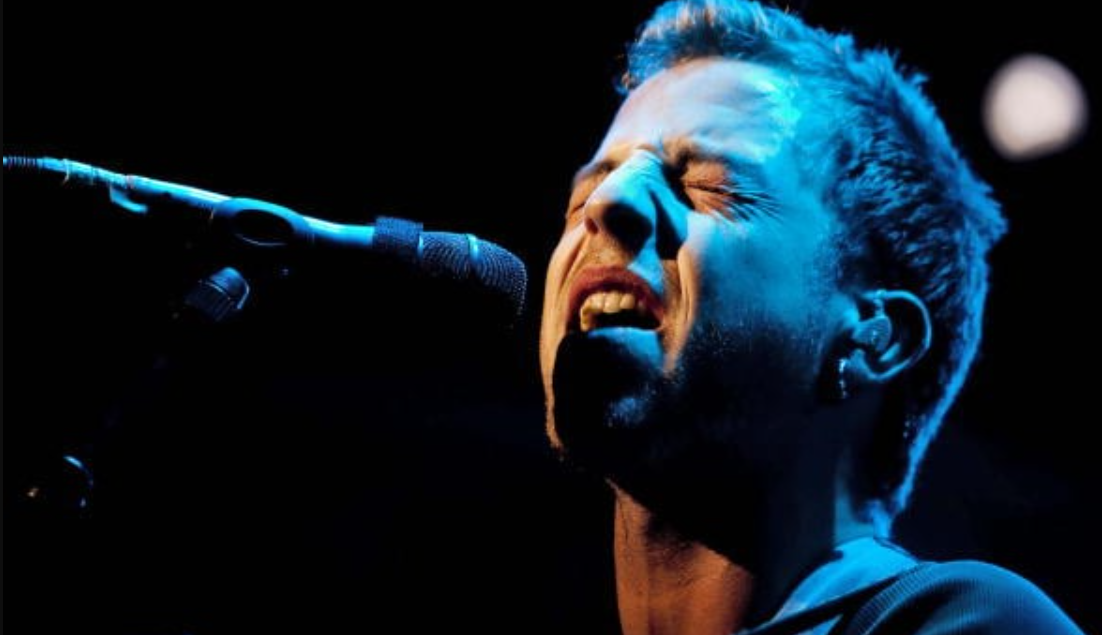
James Morrison arrived on the British music scene in 2006 with one of those voices that stops people in their tracks — raw, raspy, and rich with soul, it seemed to belong to someone several decades older than the twenty-something lad from Rugby who had just signed a record deal. His debut single “You Give Me Something” was an immediate hit, his debut album went double platinum, and suddenly James Morrison was one of the biggest names in UK pop. Nearly two decades on, what has all of that amounted to financially?
What Is James Morrison’s Net Worth?
James Morrison’s net worth is estimated at approximately £5 to £8 million. This figure reflects the substantial commercial success of his earlier career — particularly his first two albums, which between them sold millions of copies worldwide — alongside ongoing touring income, songwriting royalties, and the various revenue streams that accrue to a successful British recording artist over nearly two decades in the industry.
Morrison falls into a category common in British music: the artist who achieves enormous commercial success early in their career and then navigates the challenge of maintaining relevance over the longer term. The financial baseline established by early success provides security even when the commercial peaks of those debut years aren’t matched by subsequent releases.
Early Life: From Difficult Beginnings to Stardom
James Morrison was born James Richard Morrison in Rugby, Warwickshire, in 1984. His childhood was by his own accounts difficult — he has spoken candidly in interviews about growing up in challenging circumstances, spending time in various parts of the country, and coming to music largely through his own self-taught efforts on guitar. He was heavily influenced by the blues and soul traditions, listening to artists like Muddy Waters and Otis Redding, which explains why his voice sounds so rooted in American roots music despite his entirely English upbringing.
He was discovered busking and signed to Polydor Records, one of the UK’s major labels, while still in his early twenties. His debut single “You Give Me Something” was released in 2006 and went to number two in the UK Singles Chart. His debut album, Undiscovered, followed and became one of the year’s biggest commercial successes — going double platinum in the UK and charting strongly across Europe and beyond.
Undiscovered: The Album That Made His Fortune
Undiscovered sold over three million copies worldwide, an exceptional performance for a debut album. In the mid-2000s, the music industry was still generating substantial income from physical album sales, meaning that a debut of this scale would have delivered very significant royalty income to Morrison through his record deal (once the advance had been recouped) and through his songwriting credits.
The album spawned multiple singles, including the title track “Undiscovered,” “The Pieces Don’t Fit Anymore,” and “One Last Chance.” Each successful single extends an album’s commercial life, driving additional sales and generating radio royalties. Morrison co-wrote much of the album’s material, meaning he benefits from both the performance royalties and the publishing rights associated with the songs — a financially important distinction in the music industry.
Songs for You, Truths for Me: Cementing the Legacy
His second album, Songs for You, Truths for Me (2008), confirmed that Morrison was not simply a one-hit wonder. The album reached number one in the UK and produced the massive hit “You Make It Real,” as well as a duet with Nelly Furtado, “Broken Strings,” which became one of the most successful singles of his career. “Broken Strings” reached the top ten in multiple countries, spending weeks on the UK charts and generating the kind of international radio play that translates into substantial performing rights income.
Songs for You, Truths for Me also went double platinum in the UK, confirming Morrison’s status as one of the most commercially successful British male solo artists of the late 2000s. The combined commercial performance of his first two albums provides a financial foundation — through publishing rights and royalties — that has sustained his income through quieter subsequent periods.
Touring Income and Live Career
Morrison has maintained an active live career throughout his time in the industry. He has headlined tours across the UK and Europe, played festival circuits, and performed sold-out shows at mid-sized venues consistently. UK arena shows for artists at his level can command ticket prices in the £35 to £70 range, and his fanbase — which is deeply loyal if not always at the cutting edge of musical trend — continues to support his live work reliably.
A typical UK headline tour for Morrison might encompass 20-30 dates across venues ranging from 2,000 to 8,000 capacity, generating gross revenue in the range of £1 to £3 million before touring costs. After production expenses, crew salaries, and management fees, net touring income at this scale might range from £200,000 to £800,000 per tour cycle. Over a career of nearly two decades of regular touring, this adds significantly to overall earnings.
Songwriting Royalties: The Quiet Earner
One of the most important and often overlooked components of James Morrison’s financial picture is his ongoing songwriting royalty income. As a writer or co-writer of his most commercially successful songs, he receives a share of the performance and mechanical royalties generated every time those songs are played on radio, streamed on digital platforms, used in television or film, or sold as physical recordings.
Songs like “You Give Me Something” and “Broken Strings” have genuinely perennial qualities — they appear in film and television soundtracks, on wedding playlists, on radio stations catering to adult contemporary audiences, and on streaming playlists. Each such use generates a small royalty payment, but across millions of streams and thousands of broadcasts over eighteen years, these small payments accumulate into meaningful annual income.
The streaming era has been a mixed blessing for artists of Morrison’s generation. On one hand, their back catalogues are more accessible than ever, reaching listeners who might not have bought physical records. On the other hand, the per-stream payment rates on platforms like Spotify are a fraction of what physical or digital download sales would have earned per unit. Artists with the back catalogue depth and sustained popularity of Morrison tend to receive a reasonable streaming income, but it’s unlikely to match what equivalent radio and physical sale activity would have generated in the pre-streaming era.
Personal Life and the Impact on Career
Morrison has been open in interviews about the challenges he faced personally during his career, including the death of his daughter Elsie in 2013 shortly after birth — an event that understandably had a profound impact on him and his partner Gill. He has spoken about withdrawing from public life during that period and the process of finding his way back to music.
His subsequent albums — The Awakening (2011), Higher Than Here (2015), and later releases — have been less commercially dominant than his first two, though they have maintained his fanbase and generated meaningful if more modest sales. This kind of career trajectory — massive early success followed by a more sustained but lower-profile subsequent phase — is actually quite common in British pop music, and financially it can work well if the early earnings are managed prudently.
James Morrison’s Financial Standing Today
Morrison’s estimated net worth of £5 to £8 million reflects a career that peaked commercially in the late 2000s but has continued to generate income at a meaningful level through touring, royalties, and a maintained public profile. He is not among the wealthiest artists in British music by any measure, but he has built a solid financial foundation from genuine talent and hard work.
His story is instructive in a broader sense about how wealth is accumulated and maintained in the British music industry. The combination of strong album sales in his early career, consistent touring activity, songwriting royalties from enduring hits, and prudent management of his career during more difficult personal periods has resulted in a financial position that provides genuine security.
That voice — the one that stopped people in their tracks when they first heard “You Give Me Something” on the radio in 2006 — remains one of the most distinctive in British pop. As long as James Morrison keeps making music and touring, the financial rewards will continue to flow. And on the strength of that voice alone, that seems a reasonable bet.
The Impact of “Broken Strings” on Morrison’s International Profile
It’s worth dwelling on “Broken Strings” specifically, because it represents one of those rare moments when a song transcends its original commercial context and becomes genuinely culturally embedded. The duet with Nelly Furtado was ubiquitous in late 2008 and 2009 — on radio, in shopping centres, in film trailers. It reached the top ten in over a dozen countries, becoming Morrison’s biggest international hit and dramatically expanding his audience beyond the UK.
International chart success has meaningful financial consequences that go beyond the initial royalty payments. It opens touring markets — artists with chart hits in Germany, France, Australia, or the United States can command higher fees and sell more tickets in those markets. It increases the value of sync licensing in those territories, as local brands and broadcasters are more willing to pay for songs that local audiences recognise. And it strengthens the artist’s negotiating position with their label for subsequent projects, as proven international commercial viability is directly reflected in advance payments and promotional budgets.
Managing Wealth Through Career Uncertainty
One of the more instructive aspects of James Morrison’s financial story is how he has navigated the inherent uncertainty of a music career. He experienced significant personal tragedy in 2013, which understandably affected his output and public profile. He returned to recording and touring gradually, releasing albums that maintained his fanbase without matching the commercial scale of his debut period. This kind of managed return — prioritising quality and personal wellbeing over commercial maximisation — is a pattern that the financial histories of long-career artists often support.
Artists who maintain their commercial relevance over 15-20 year careers, even at a reduced level from their peaks, typically end up in a stronger financial position than those who chase short-term commercial success at the cost of artistic integrity or personal sustainability. Morrison’s approach — staying true to his musical identity, taking the time he needed personally, and returning to work when ready — has preserved the loyalty of his core fanbase in a way that more commercially calculated approaches might not have.
The Adult Contemporary Market: A Financially Reliable Home
Morrison’s music sits naturally in the adult contemporary market — a commercial category that receives less critical attention than rock or pop but which is commercially robust and financially generous to its leading figures. Adult contemporary radio has substantial audiences across the UK and globally, with listeners who are typically older, more financially secure, and willing to spend on concert tickets, premium streaming subscriptions, and physical music.
Artists who own that space — who are the first names that come to mind when adult contemporary listeners want emotionally resonant, vocally strong, British pop — have genuine commercial staying power. The competition for that audience is less fierce than in youth-oriented pop, the listeners are more loyal, and the commercial relationships with radio and streaming platforms are more stable. For Morrison, this market positioning is not a consolation prize but a genuine commercial asset that supports the ongoing generation of royalty and touring income for years to come.