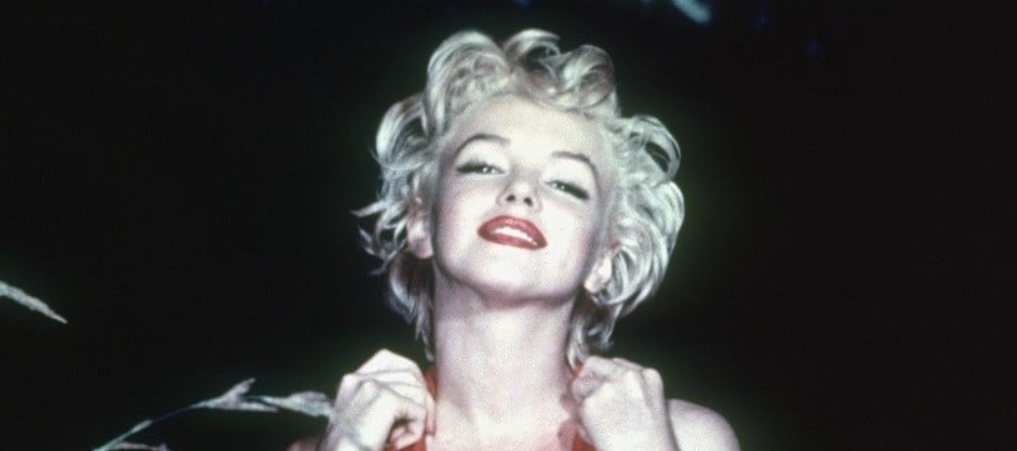


Maria Whittaker was one of the most recognisable faces — and figures — of 1980s Britain. As a glamour model who rose to fame through The Sun’s Page 3 feature, she became a household name during a decade when tabloid culture was at its peak. Her image appeared on bedroom walls, in magazines, and even in video games, making her one of the most commercially successful models of her era.
Today, Maria Whittaker’s net worth is estimated at around £500,000 to £1 million. That figure reflects a career that peaked decades ago, followed by a deliberate withdrawal from public life. Unlike many modern celebrities who leverage their fame into ongoing business ventures and social media empires, Whittaker chose a quieter path — one that makes her financial story as much about what she walked away from as what she earned.
The Page 3 Era
Maria Whittaker first appeared on Page 3 of The Sun in 1985, when she was just sixteen years old. By today’s standards, that detail is deeply uncomfortable, but in the mid-1980s, the cultural landscape around glamour modelling was very different. Page 3 was one of the most prominent platforms for glamour models in the UK, and appearing there was considered a legitimate stepping stone to a wider modelling and entertainment career.
Whittaker quickly became one of the most popular Page 3 models of her generation. Her popularity extended beyond the newspaper itself — she was featured in calendars, posters, and lads’ magazines that were ubiquitous in 1980s Britain. The commercial machinery around Page 3 models was well-established, and those at the top of the hierarchy could earn substantial money from a combination of newspaper fees, magazine shoots, personal appearances, and merchandise.
During this period, a top-tier glamour model could earn what was, for the time, a very comfortable income. While not in the same league as supermodels working the high fashion circuit, the most popular Page 3 models were genuine celebrities with earning power that reflected their public profile.
Modelling Earnings in the 1980s
The economics of glamour modelling in the 1980s were different from today’s influencer-driven landscape. Income came primarily from fees paid by publishers for photo shoots, royalties from calendar and poster sales, and payments for personal appearances at events, nightclubs, and promotional activities.
At the height of her career, Whittaker was reportedly earning significant sums from these combined sources. Calendar sales alone could be extremely lucrative — the most popular glamour calendars sold hundreds of thousands of copies, and the models featured in them received a share of the revenue. Poster sales added another income stream, as did appearances at events where she could command appearance fees.
The total earnings from Whittaker’s modelling career are not publicly documented, but given her status as one of the most recognisable models of the decade, it is reasonable to estimate that she earned well into six figures over the course of her most active years — a substantial sum in 1980s money.
The Barbarian Connection — Video Games and Pop Culture
One of the more unusual chapters in Maria Whittaker’s career was her connection to the video game industry. She served as the model for the character on the cover of Barbarian: The Ultimate Warrior, a popular fighting game released in 1987 by Palace Software. The game’s marketing prominently featured Whittaker in a bikini alongside a muscular male model, creating one of the most iconic — and controversial — pieces of video game marketing from the era.
The Barbarian connection cemented Whittaker’s place in pop culture beyond the world of tabloid modelling. The game was a commercial success, and the cover image became one of the most recognised pieces of 1980s gaming artwork. This kind of crossover between glamour modelling and gaming was unusual at the time and added another dimension to Whittaker’s commercial appeal.
While the direct financial compensation from the Barbarian cover would have been modest compared to her ongoing modelling income, the cultural impact was significant. It extended her name recognition to audiences who might not have been regular readers of The Sun, broadening her commercial reach.
Television and Media Appearances
Like many popular models of the era, Whittaker made appearances on television programmes, including game shows and entertainment shows that were fixtures of 1980s British TV. These appearances generated appearance fees and helped maintain her public profile, which in turn supported demand for her modelling work.
The relationship between television exposure and modelling income was symbiotic — TV appearances raised her profile, which increased demand for photo shoots and personal appearances, which in turn made her a more attractive guest for television programmes. This cycle of visibility and commercial activity was a well-trodden path for glamour models of the era.
Stepping Away From the Spotlight
Unlike many of her contemporaries who attempted to transition into television presenting, acting, or other entertainment careers, Maria Whittaker made a conscious decision to step away from public life. By the early 1990s, she had largely withdrawn from the modelling world and the media attention that came with it.
This decision had significant financial implications. In choosing to leave the public eye, Whittaker walked away from the ongoing income that continued visibility could have provided. Other models from the same era who remained in the public eye — through television work, magazine appearances, or later through social media — have in some cases built substantially larger fortunes than Whittaker’s estimated net worth.
However, the decision to prioritise privacy and a normal life over continued fame is one that many people would admire. The pressures of living in the public eye, particularly for someone who became famous at such a young age, can be enormous. Whittaker’s choice to step back suggests someone who valued quality of life over the financial rewards that continued celebrity could have provided.
Life After Modelling
Details about Maria Whittaker’s life after she left the modelling industry are deliberately scarce, which is entirely consistent with her decision to seek privacy. She has occasionally appeared in interviews or features looking back at the Page 3 era, but these have been rare and typically initiated on her own terms.
What is known is that she has lived a relatively quiet life in the UK, away from the tabloid attention that defined her younger years. For someone who was once one of the most photographed women in Britain, the contrast between her 1980s fame and her subsequent privacy is striking.
How the Wealth Was Preserved
The estimated net worth of £500,000 to £1 million suggests that Whittaker managed her earnings reasonably well during her active career. Many young people who earn significant sums early in life — whether through entertainment, sport, or other means — struggle to preserve that wealth over the decades that follow. The pressures of lifestyle inflation, poor financial advice, and the assumption that high earnings will continue indefinitely have left many former celebrities in difficult financial positions.
The fact that Whittaker appears to have maintained a comfortable financial position decades after her peak earning years suggests either prudent financial management, sensible investment — perhaps including property — or a combination of both. Living outside the expensive orbit of celebrity culture would also have helped preserve her wealth, as the costs associated with maintaining a public profile can be substantial.
Property as a Financial Foundation
While specific details of Whittaker’s property holdings are not public, it is worth noting that anyone who purchased property in the UK in the late 1980s or early 1990s — particularly if they bought in the South of England — would have seen significant capital appreciation over the subsequent decades. UK house prices have, on average, increased several-fold since the 1980s, meaning that even a modest property purchased with modelling earnings would now represent a substantial asset.
For many people of Whittaker’s generation, property represents the single largest component of their net worth. If she invested a portion of her modelling earnings in property during or shortly after her career, those assets could account for a significant chunk of her current estimated wealth.
The Page 3 Legacy in Financial Terms
Maria Whittaker’s net worth tells a particular kind of financial story — one of early success in a specific cultural moment, followed by a deliberate step away from the income opportunities that continued fame could have provided. It is a story that reflects personal choices as much as market forces, and one that stands in sharp contrast to the modern celebrity playbook of relentless self-promotion and brand extension.
Whether her estimated £500,000 to £1 million represents the full picture of her financial position is impossible to know from the outside. Private individuals who have deliberately chosen to live away from public scrutiny may have assets and income sources that are not visible to observers attempting to estimate their wealth. What we can say is that Maria Whittaker, once one of the most famous women in Britain, appears to have built a life of comfortable financial security — on her own terms, and far from the cameras that once made her a star.